The post The International Yachting Media’s YouTube Channel: exclusive content for a demanding audience appeared first on Yachting News.
]]>The new YouTube channel of The International Yachting Media
With just under 200,000 subscribers, The International Yachting Media’s YouTube channel represents today a major reference for all yacht owners and boating enthusiasts worldwide. Launched only a year ago with the goal of informing and entertaining, the channel stands out for its ability to combine high-quality content with a calm, practical, and highly concrete test format.
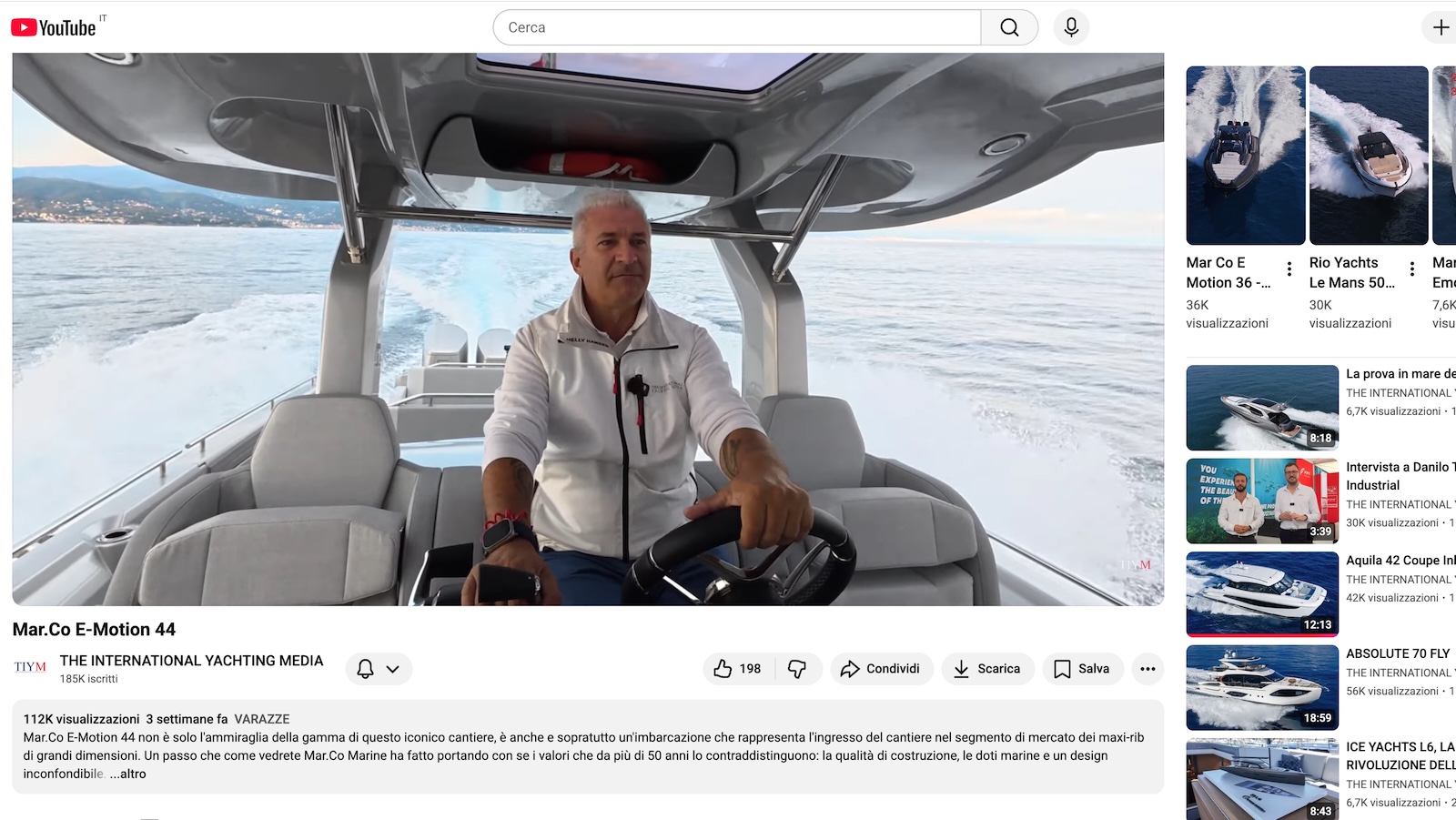
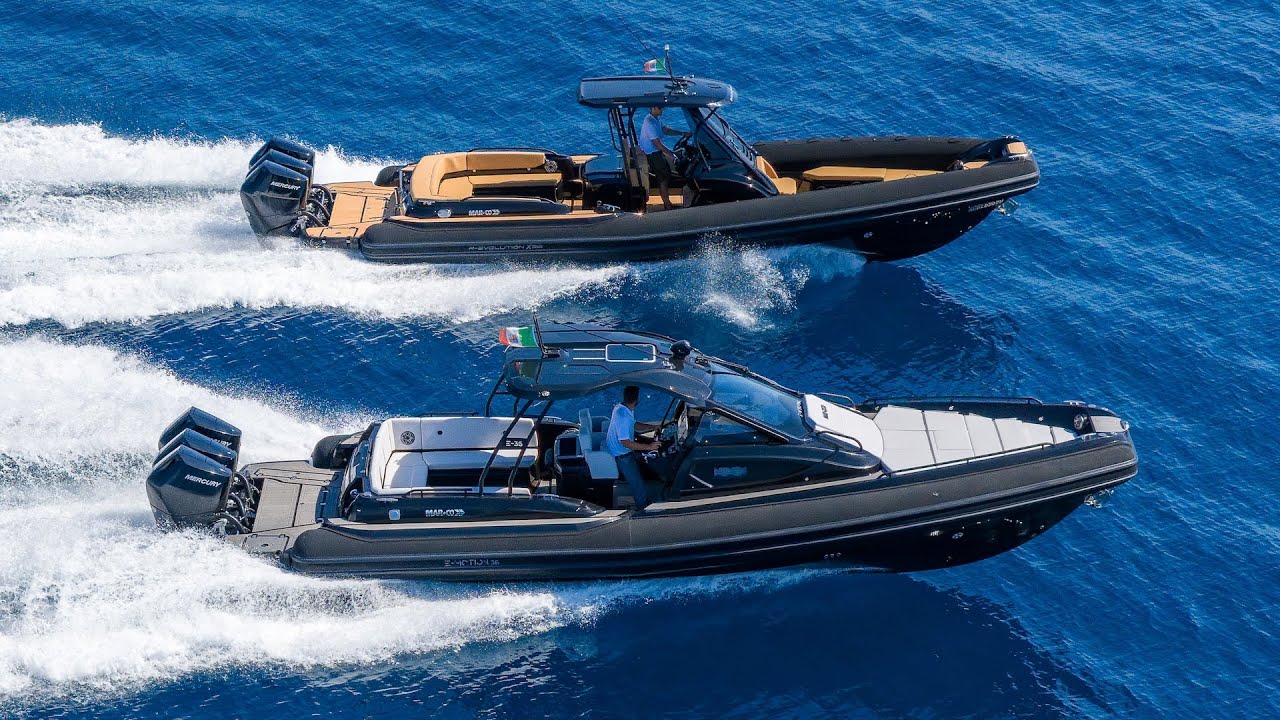
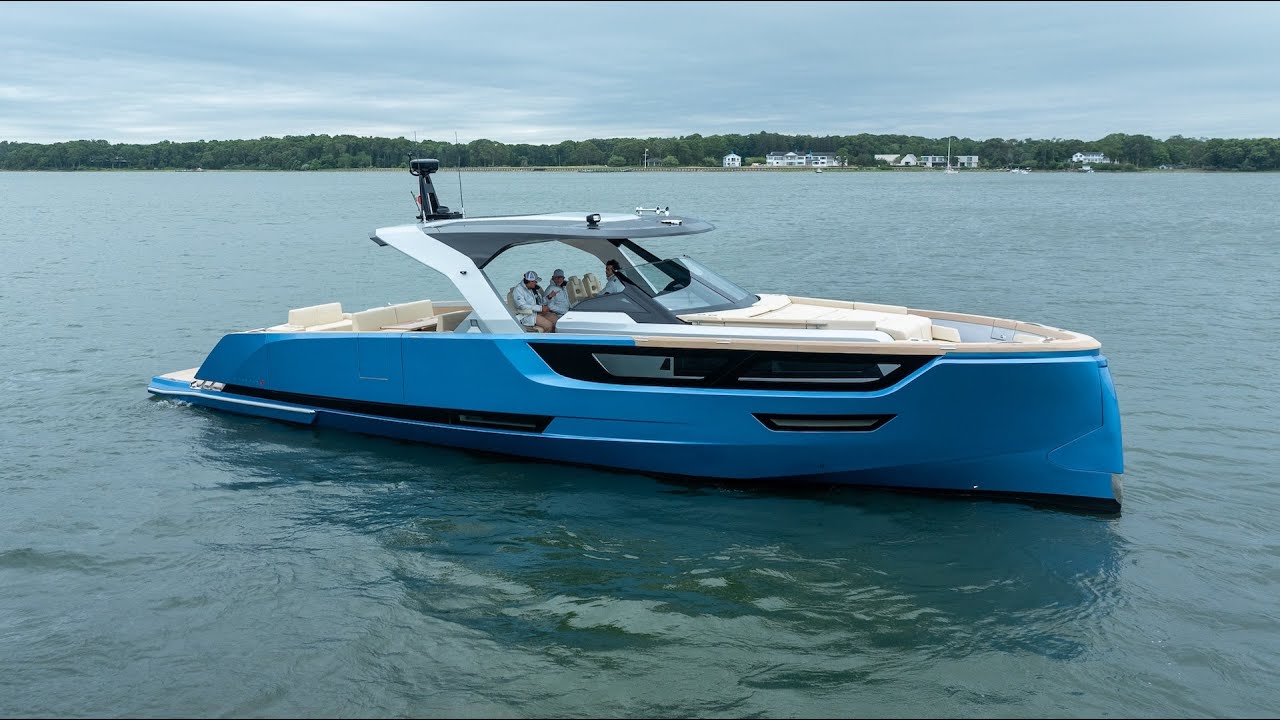
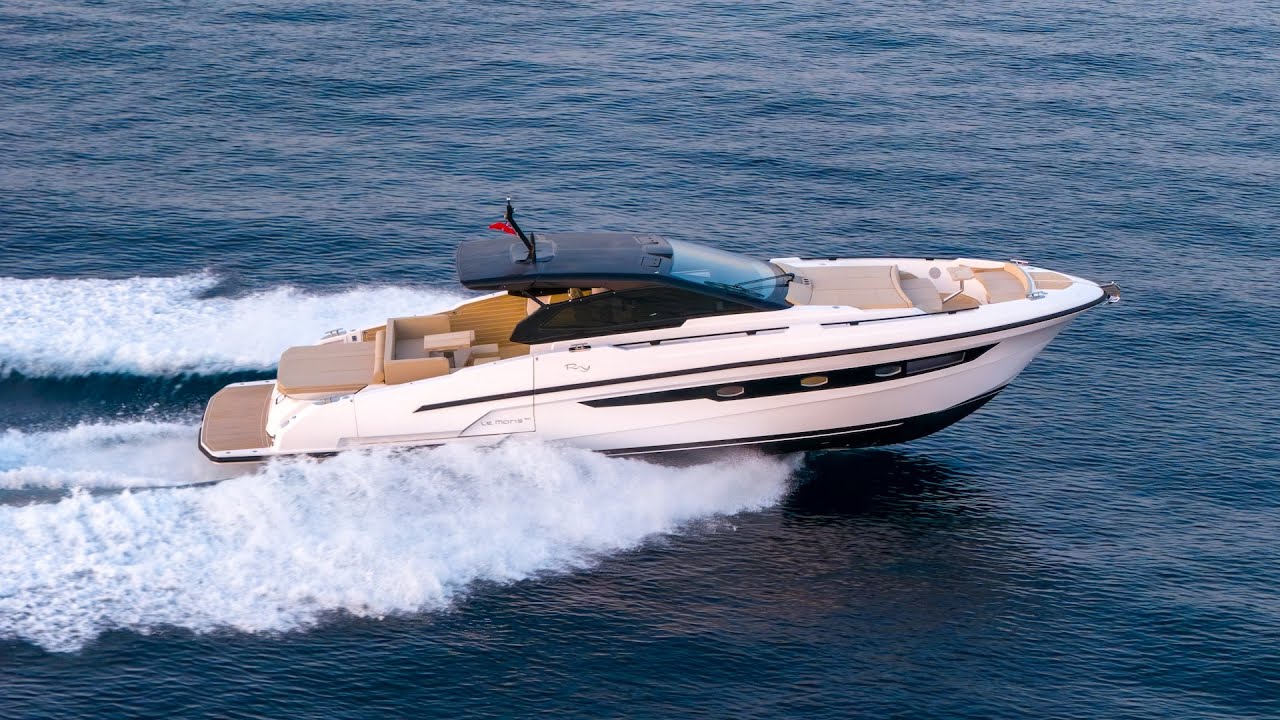
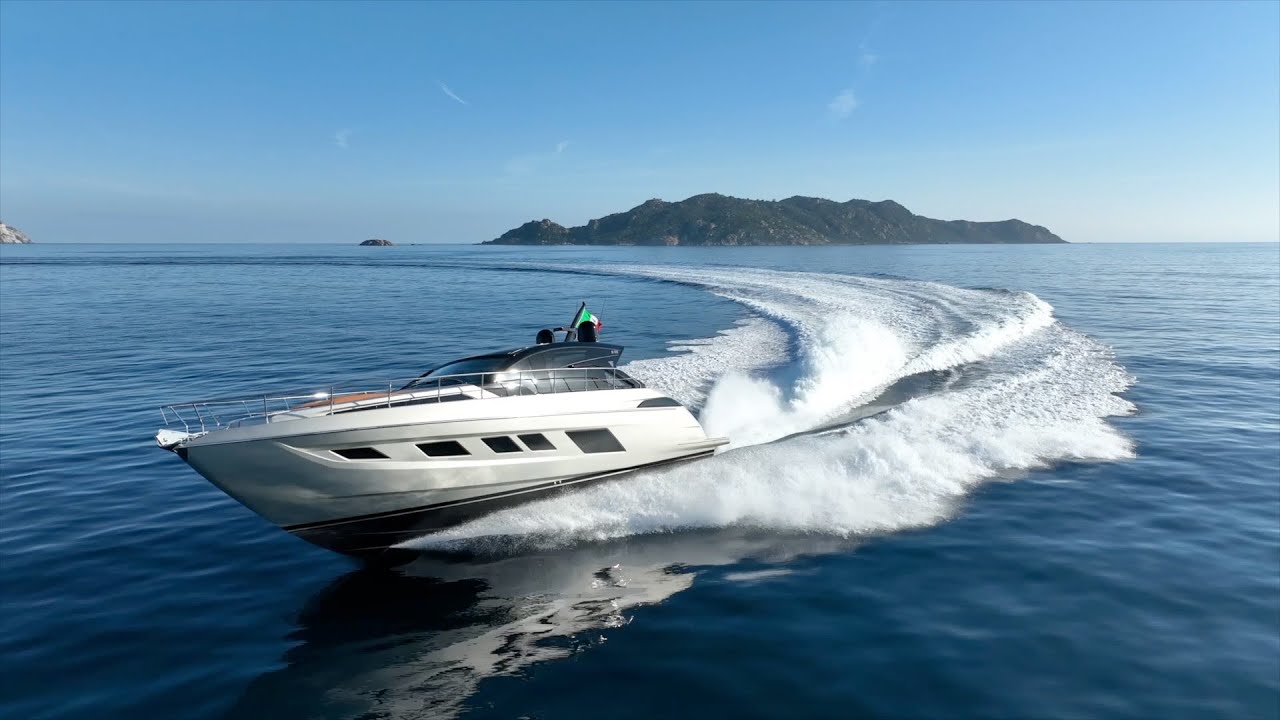
All videos are recorded live, with the journalist narrating their experience as the footage instantly confirms the accuracy of their observations. When possible, the main camera is supported by a second stern camera and high-resolution drone shots.
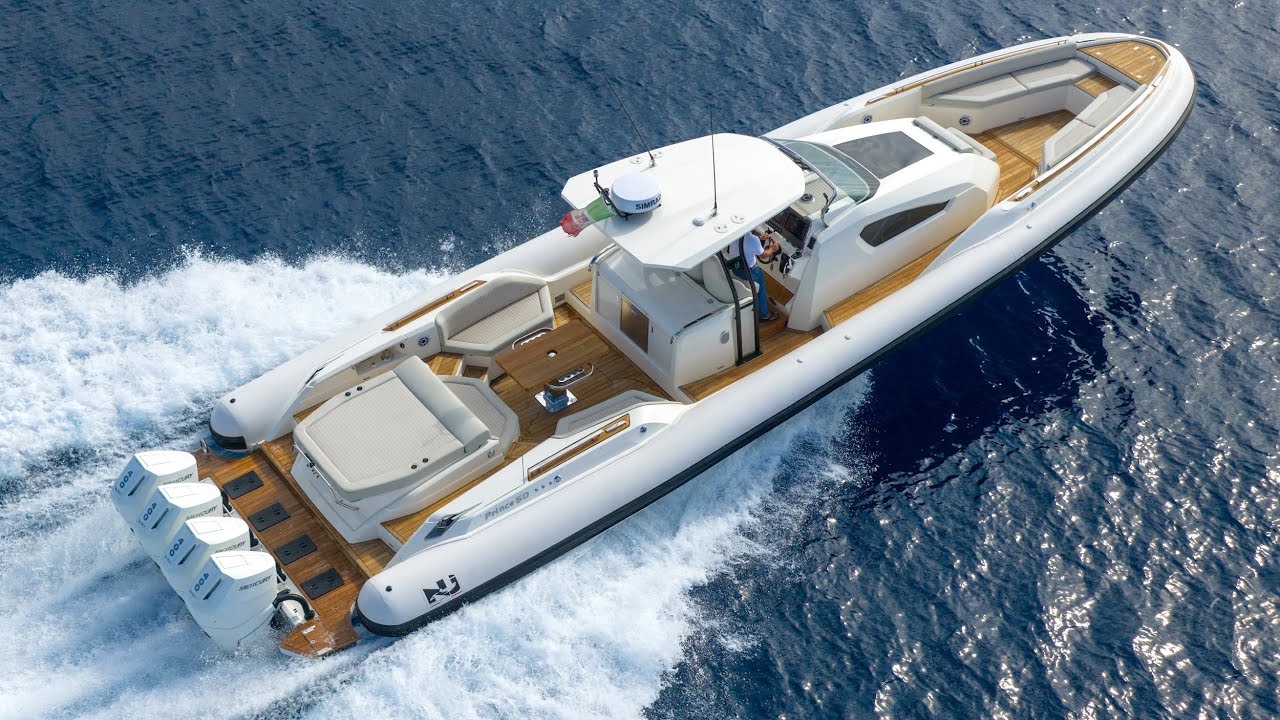
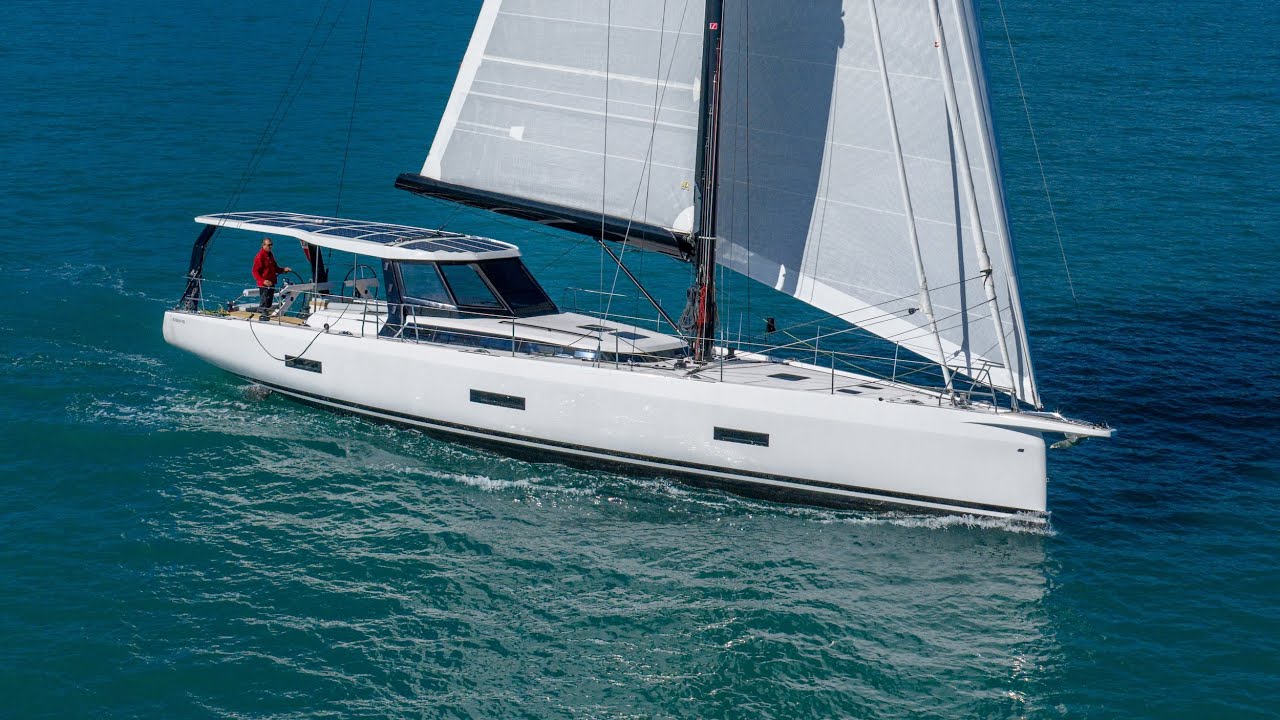
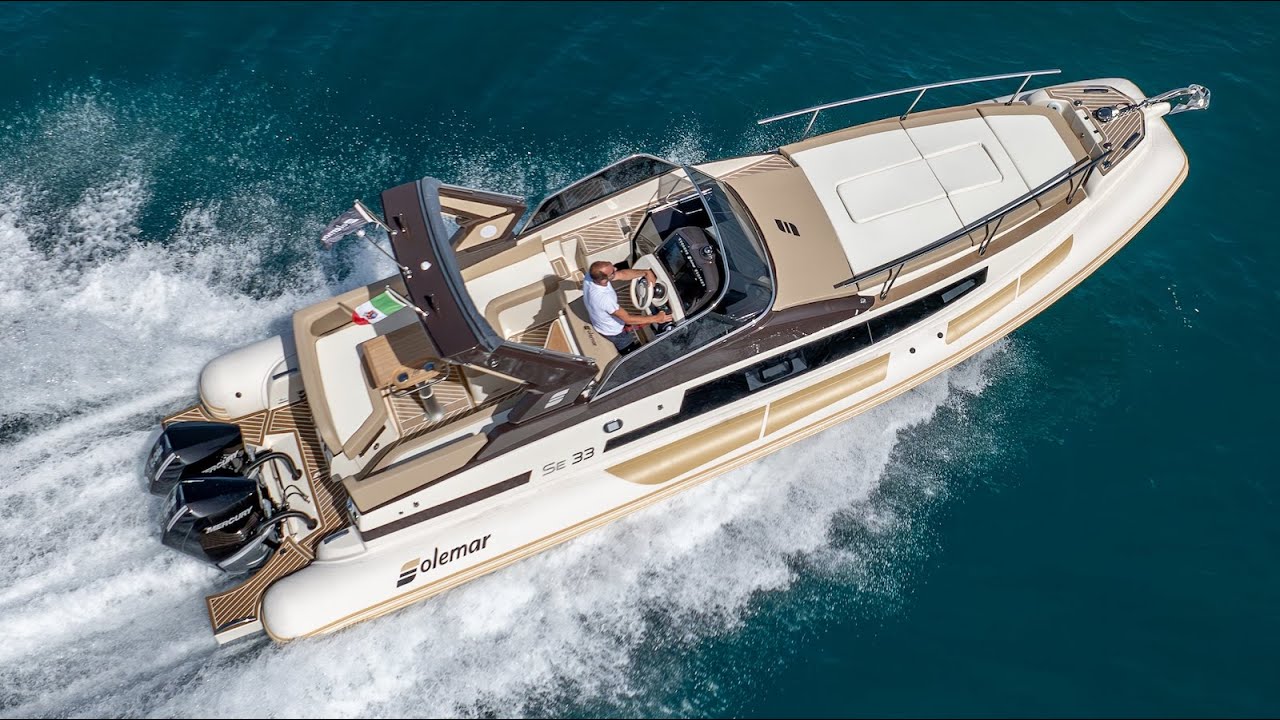
The topics covered by The International Yachting Media’s Youtube Channel range from motorboats to RIBs and maxi-RIBs, all the way to in-depth analyses of sailing yachts, where the experience and technical knowledge of the journalists are key to describe and explain this type of boats. The result is a comprehensive mix that provides a full overview of the latest innovations and market trends.
Boat Test and Walkthrough
9:29
14:55
10:40
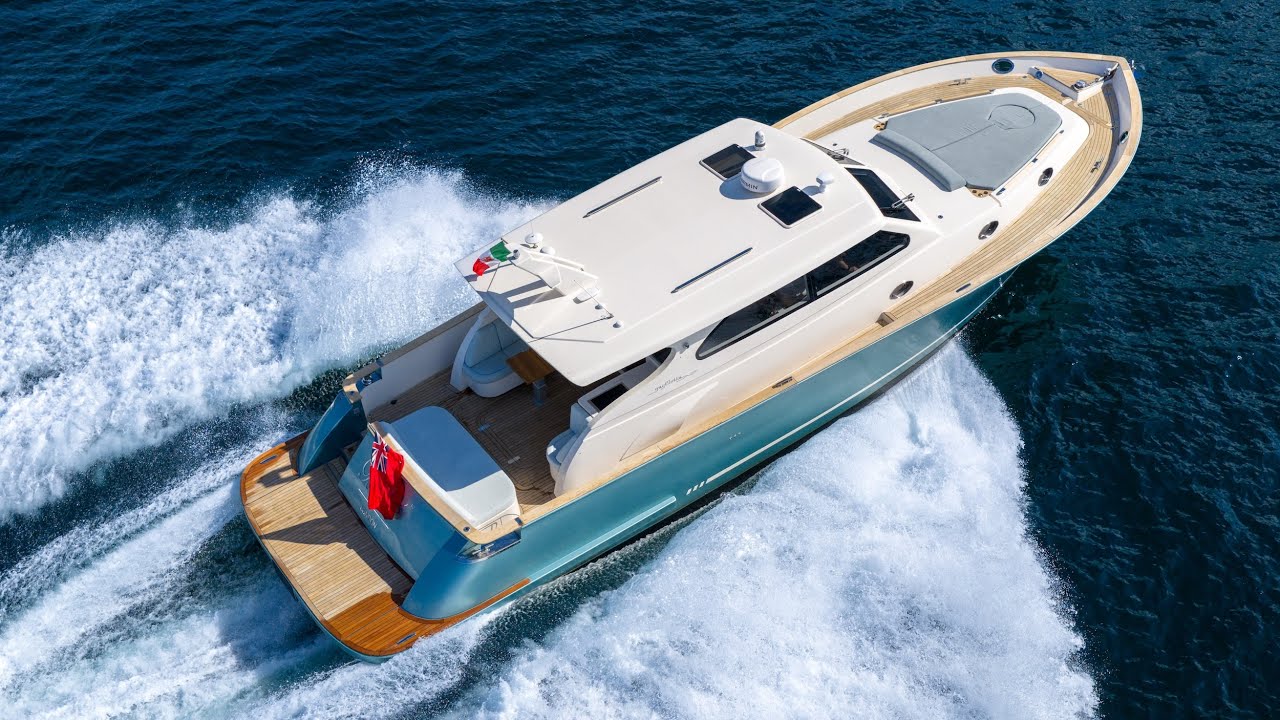
13:11
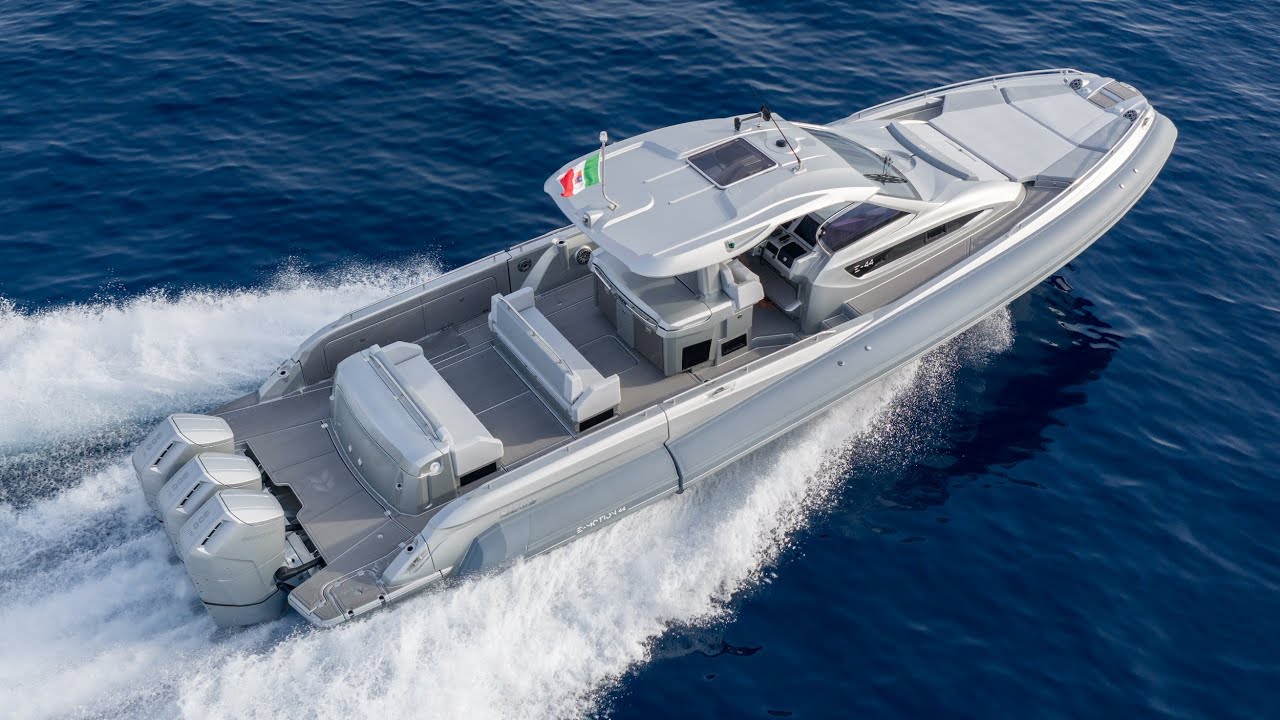
13:33
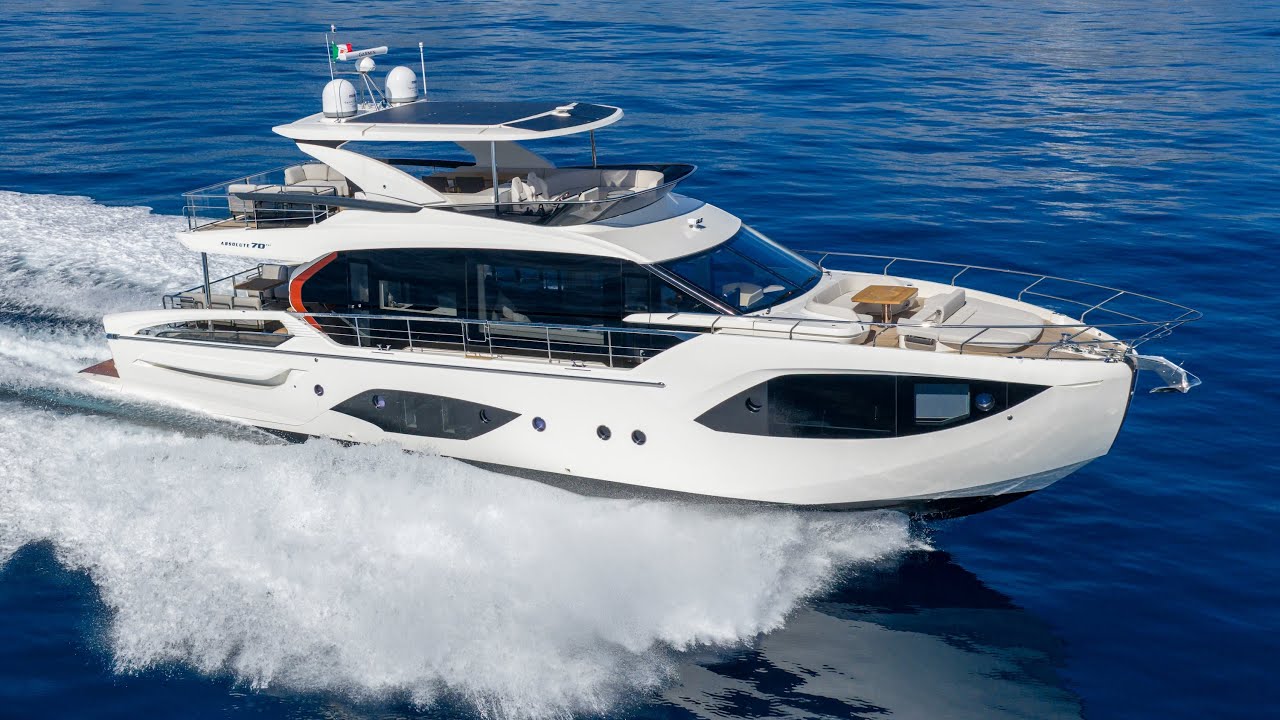
18:58
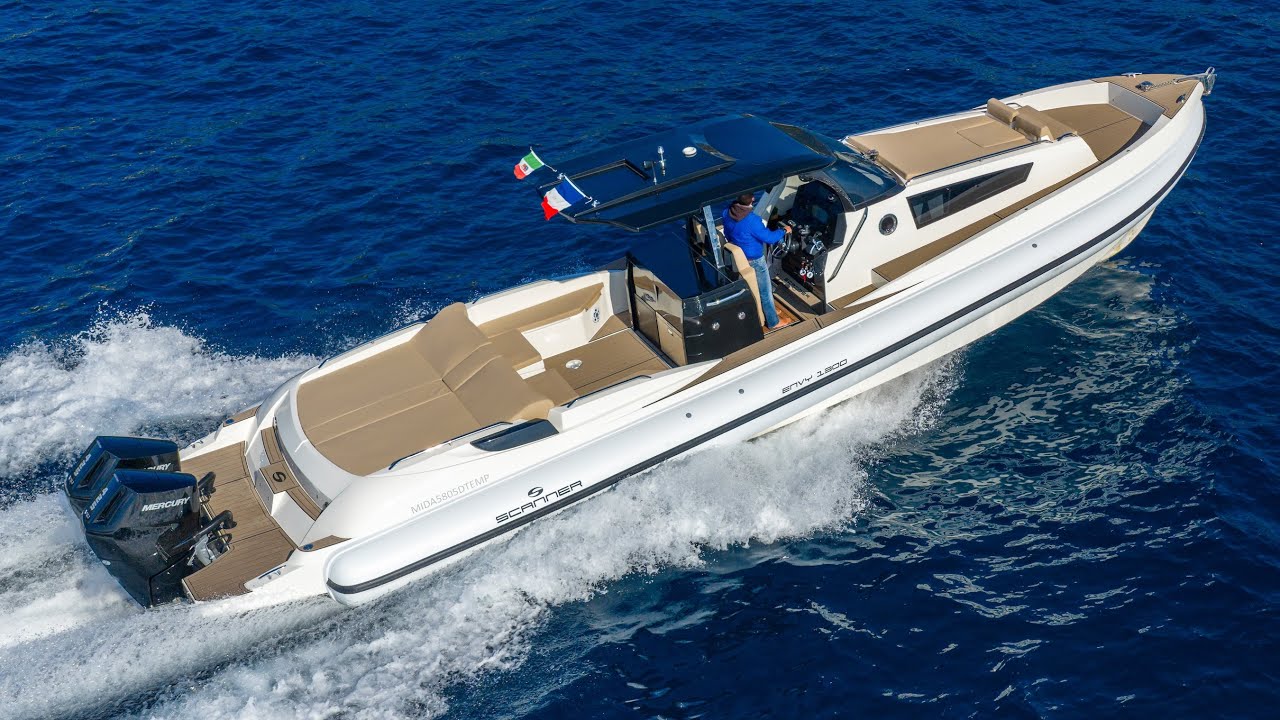
12:17
3:15
15:13
10:29
7:14
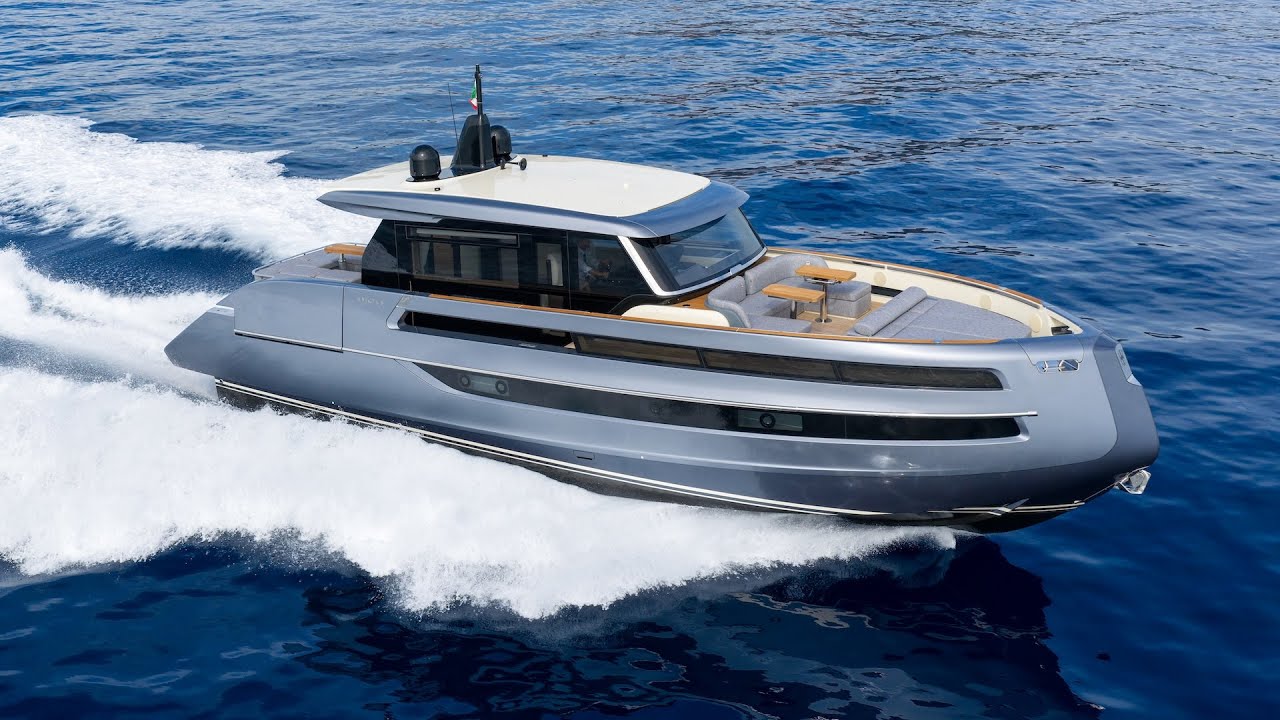
14:01
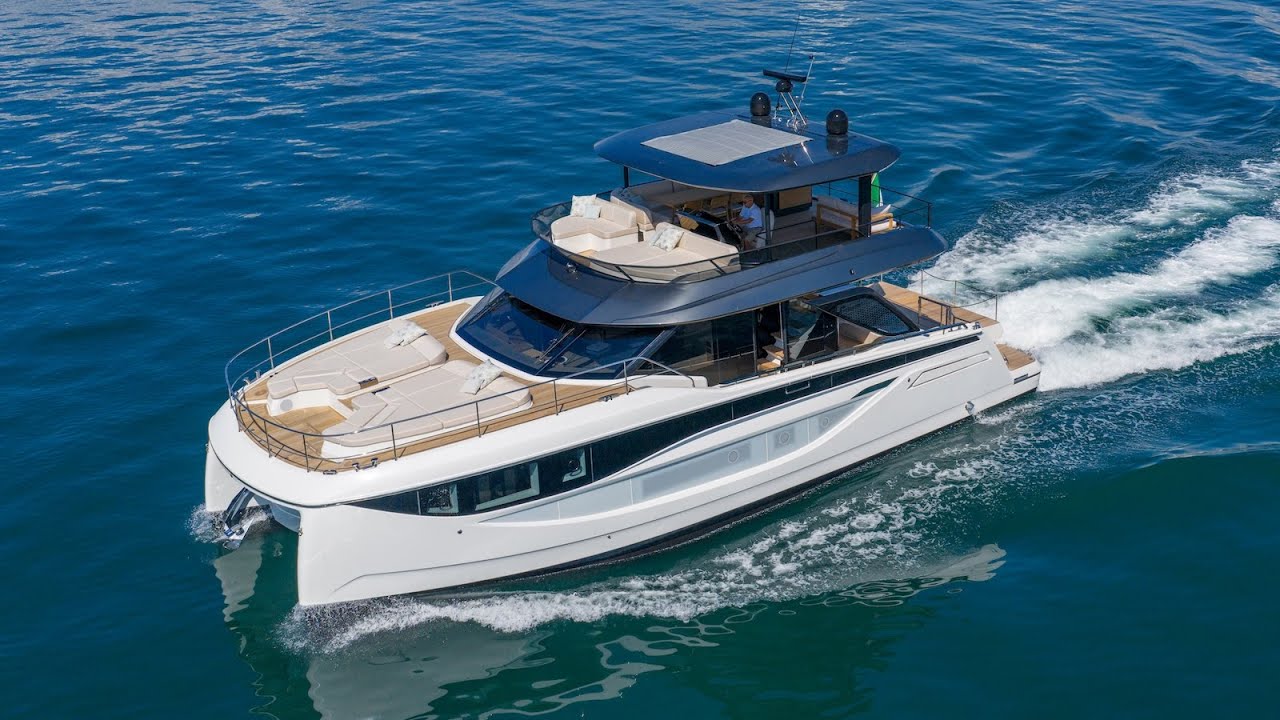
15:41
8:13
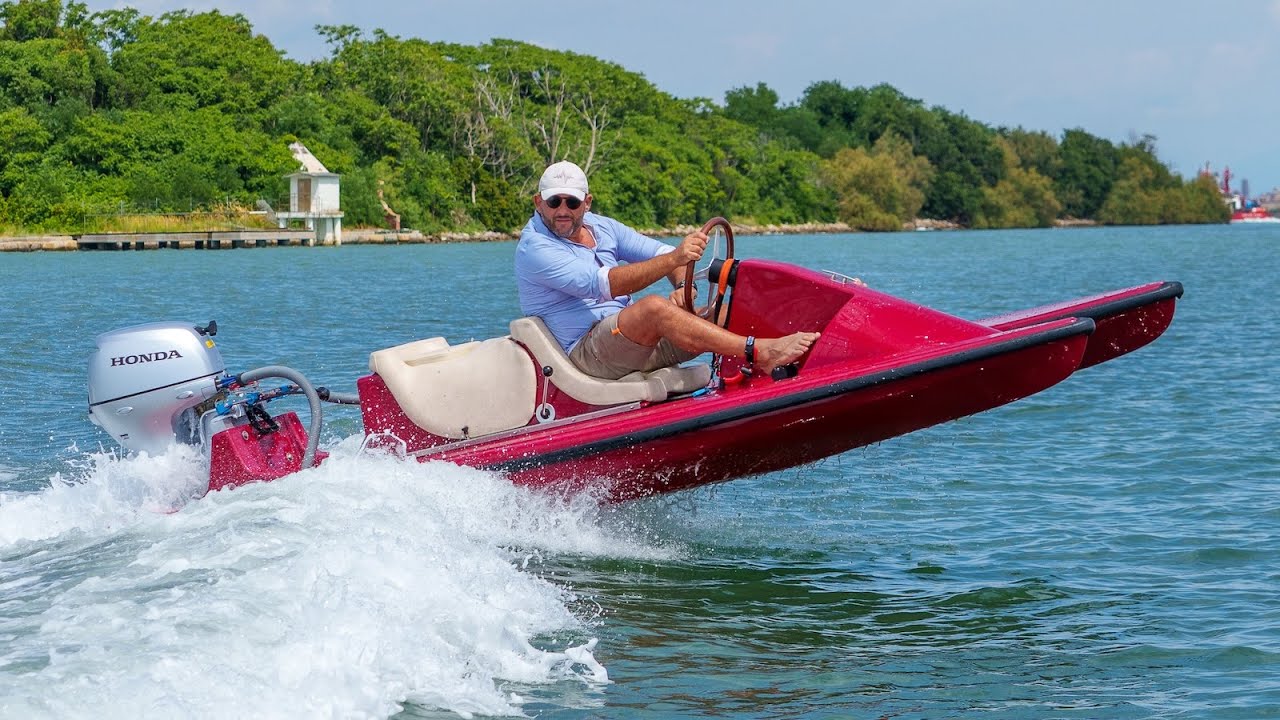
7:18
23:35
12:14
12:11
0:35
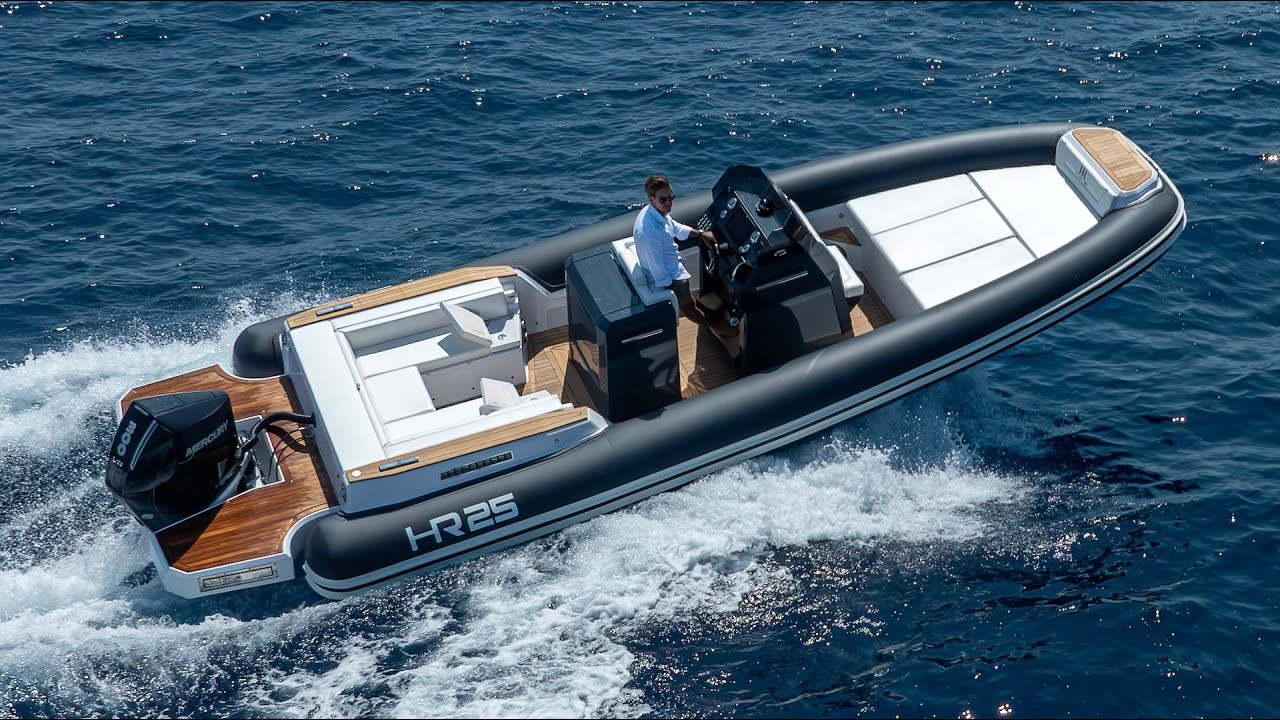
10:38
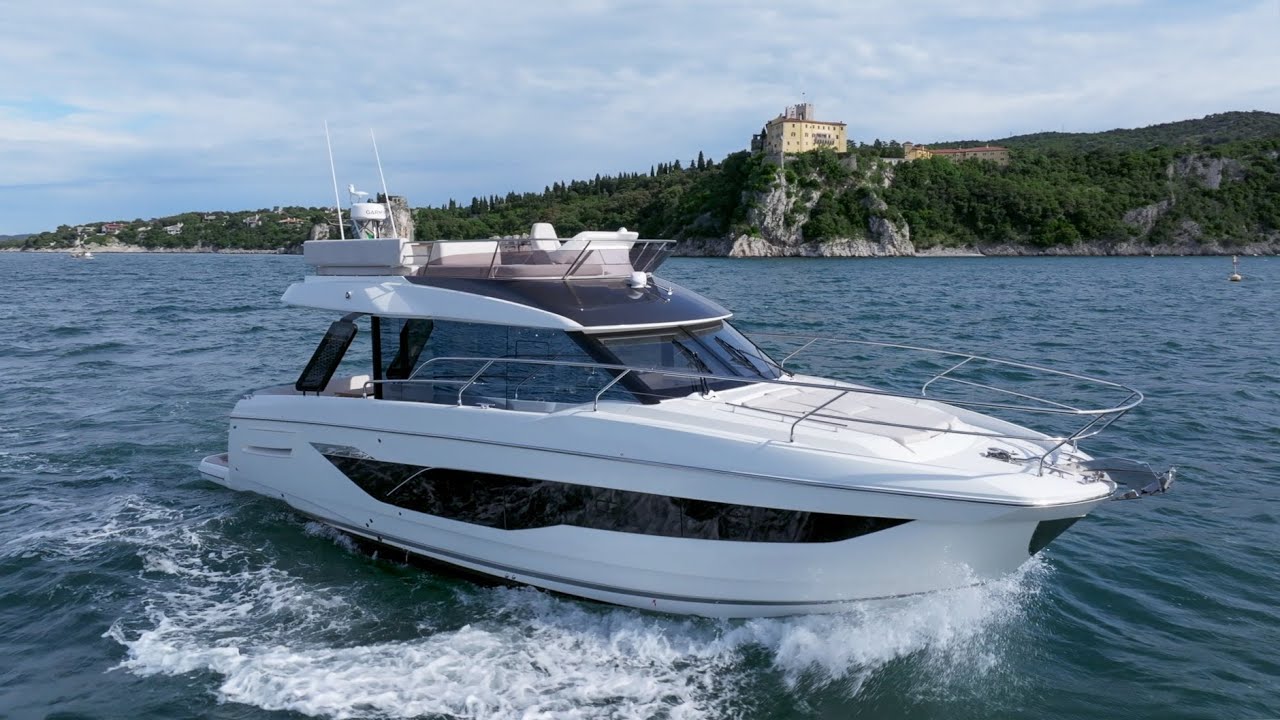
11:15
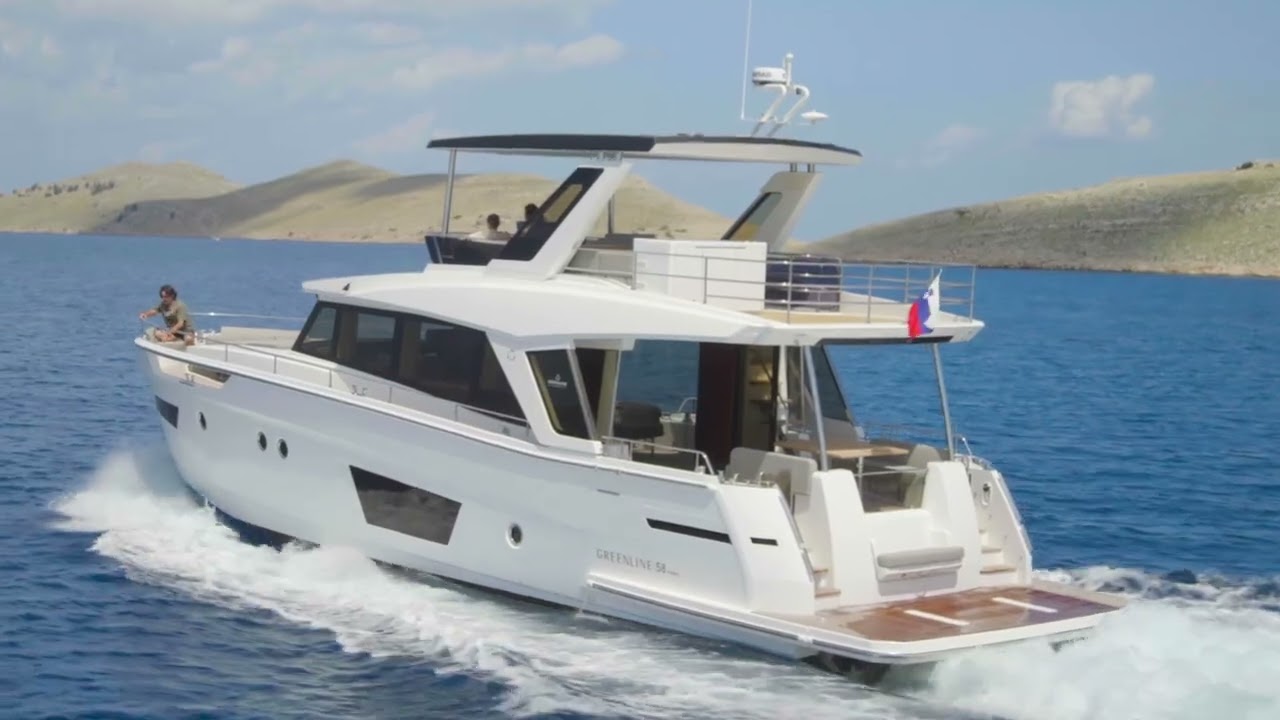
8:17
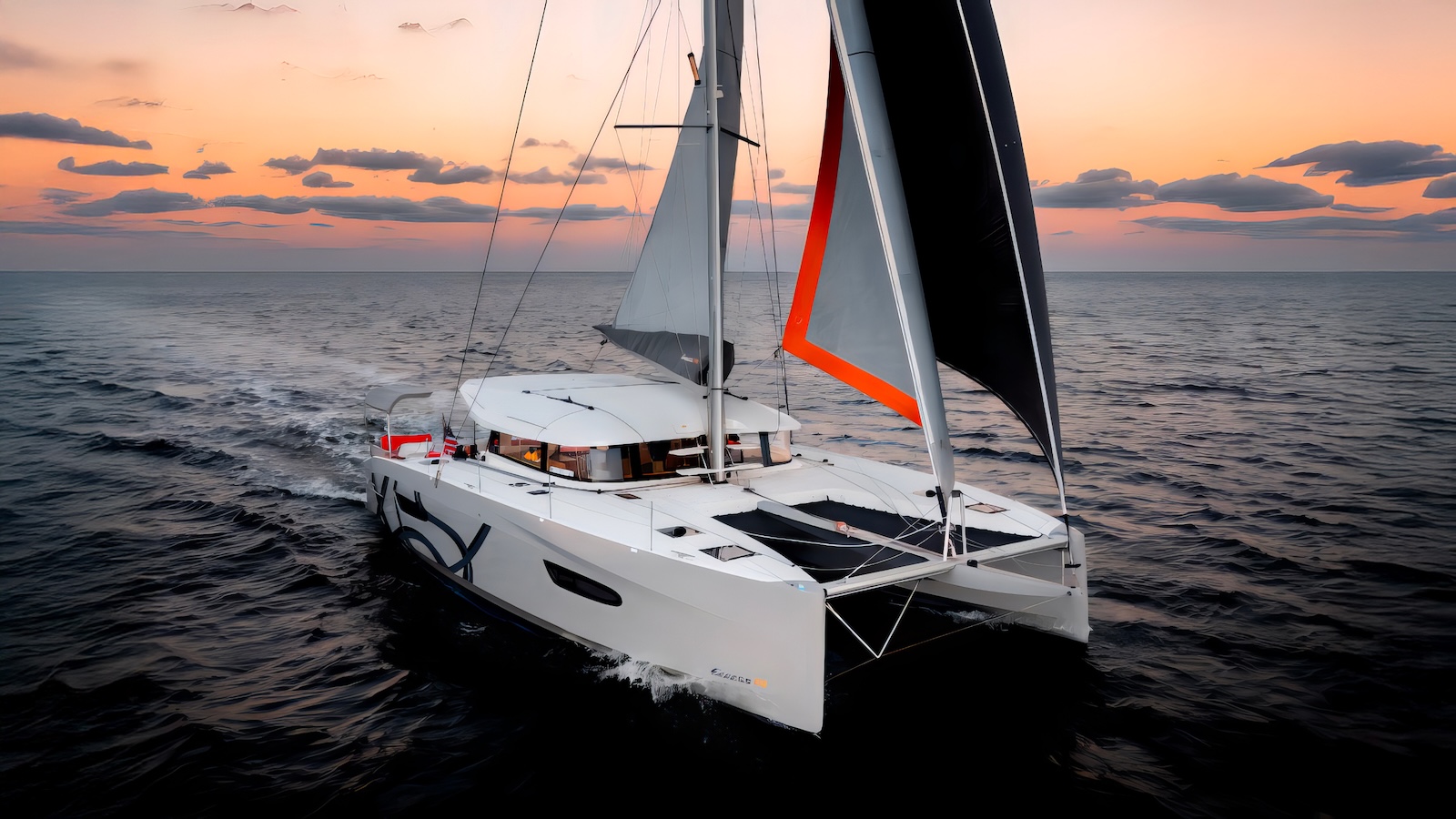
9:06
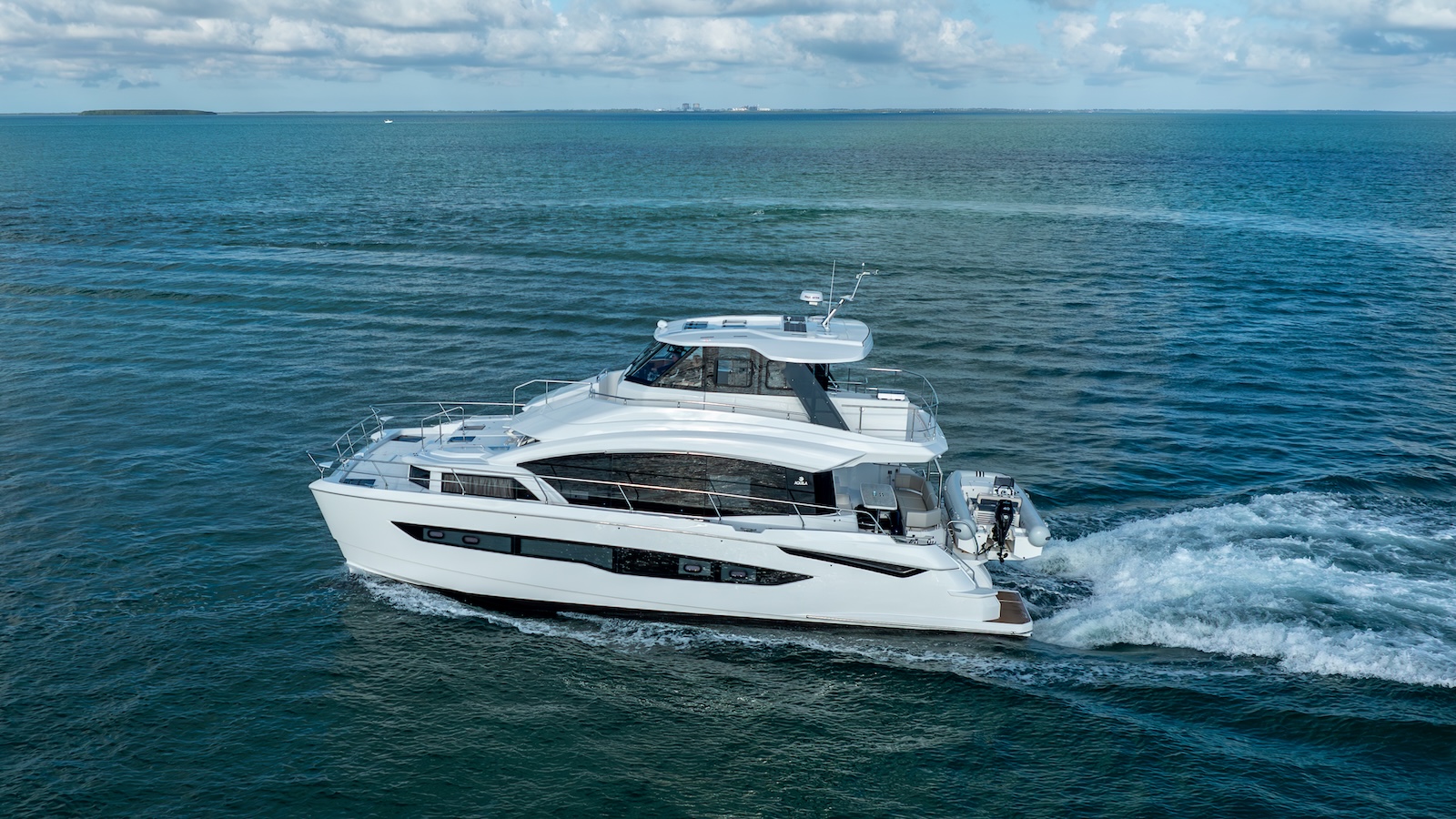
8:10
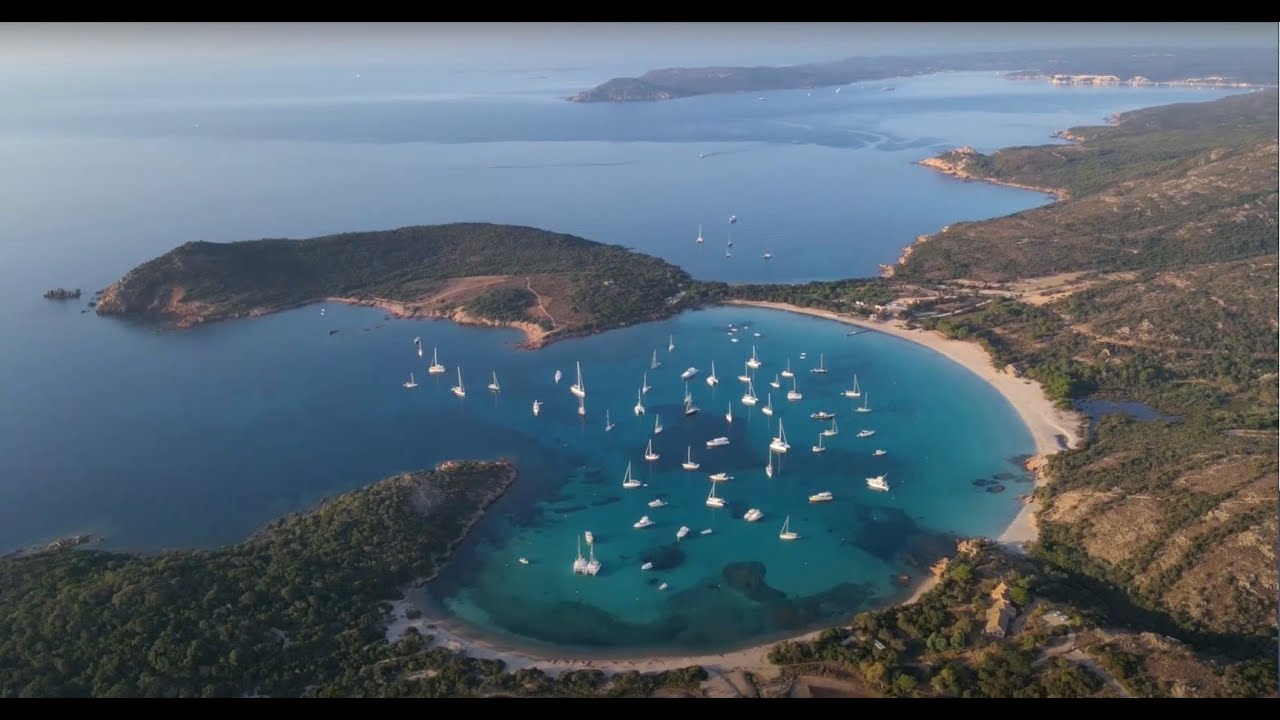
19:24
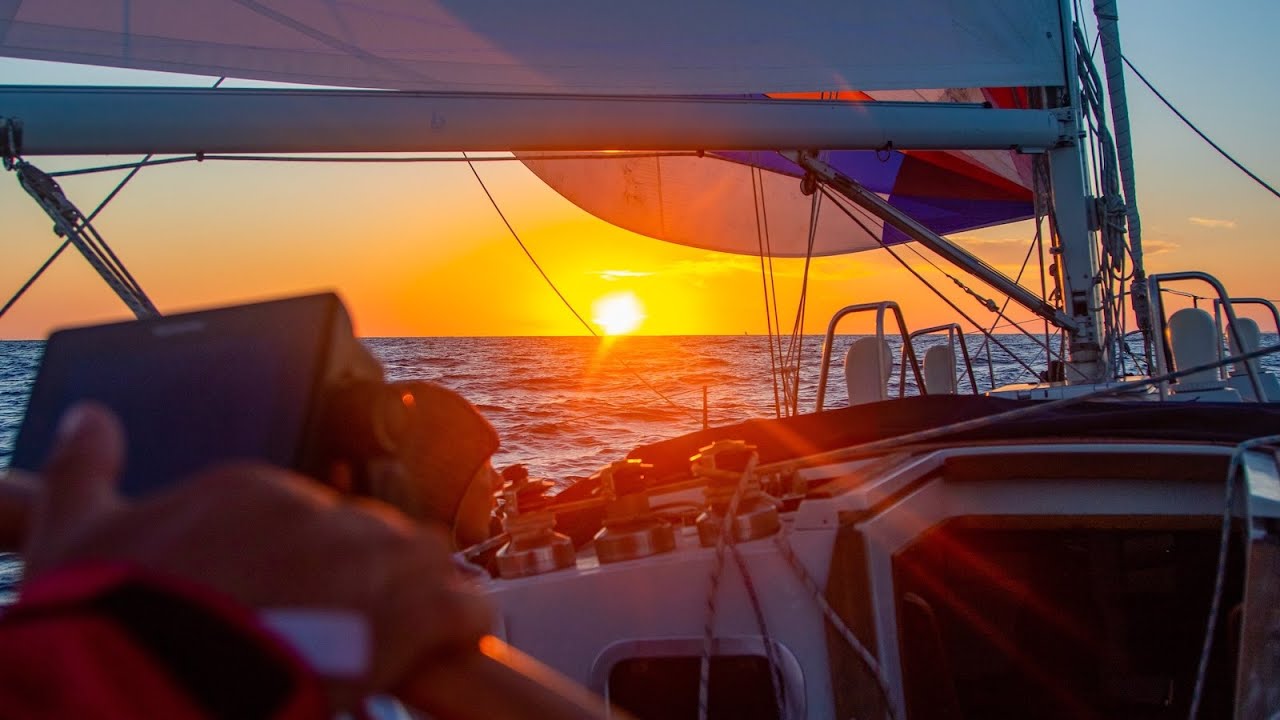
12:12
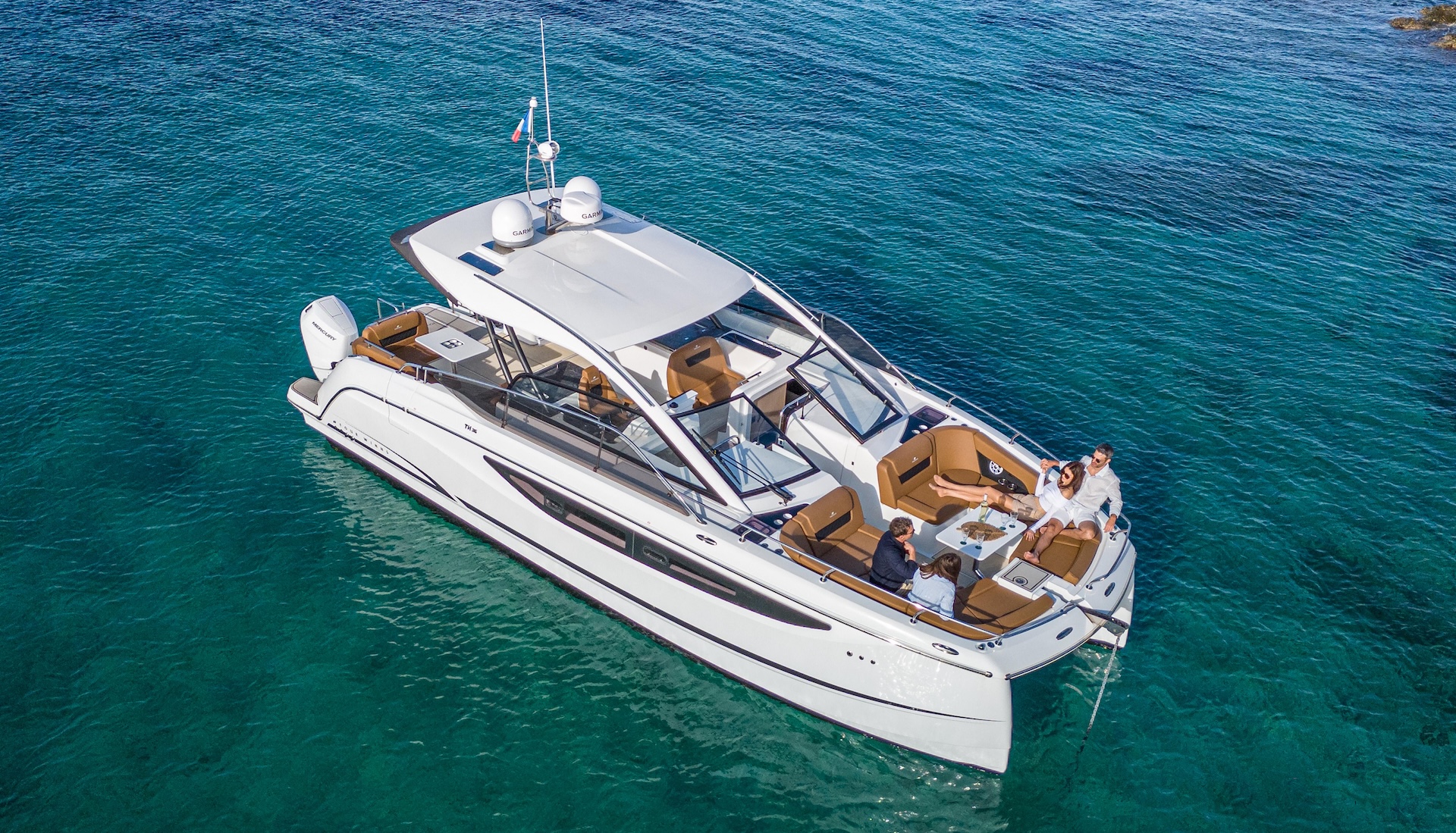
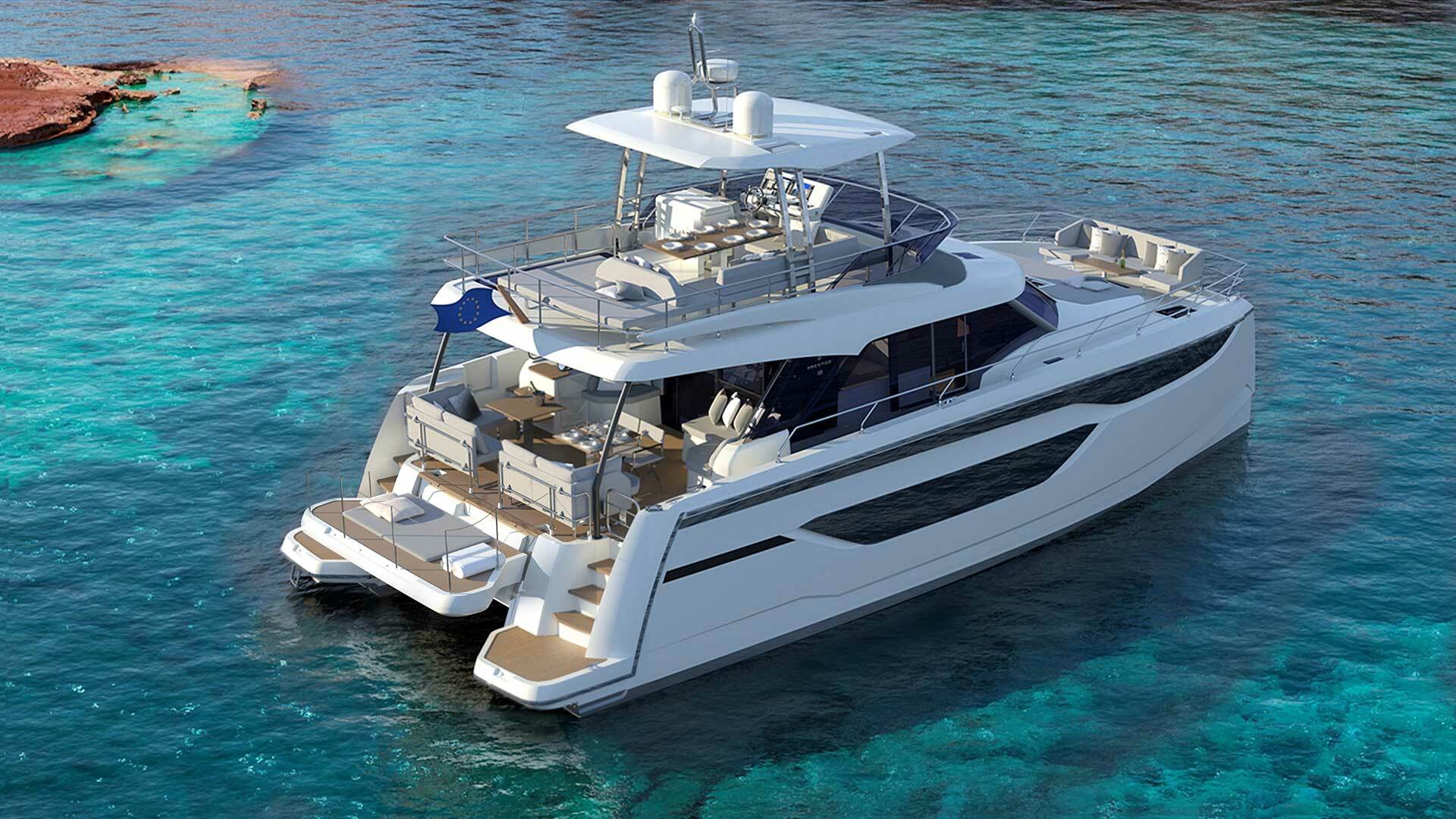
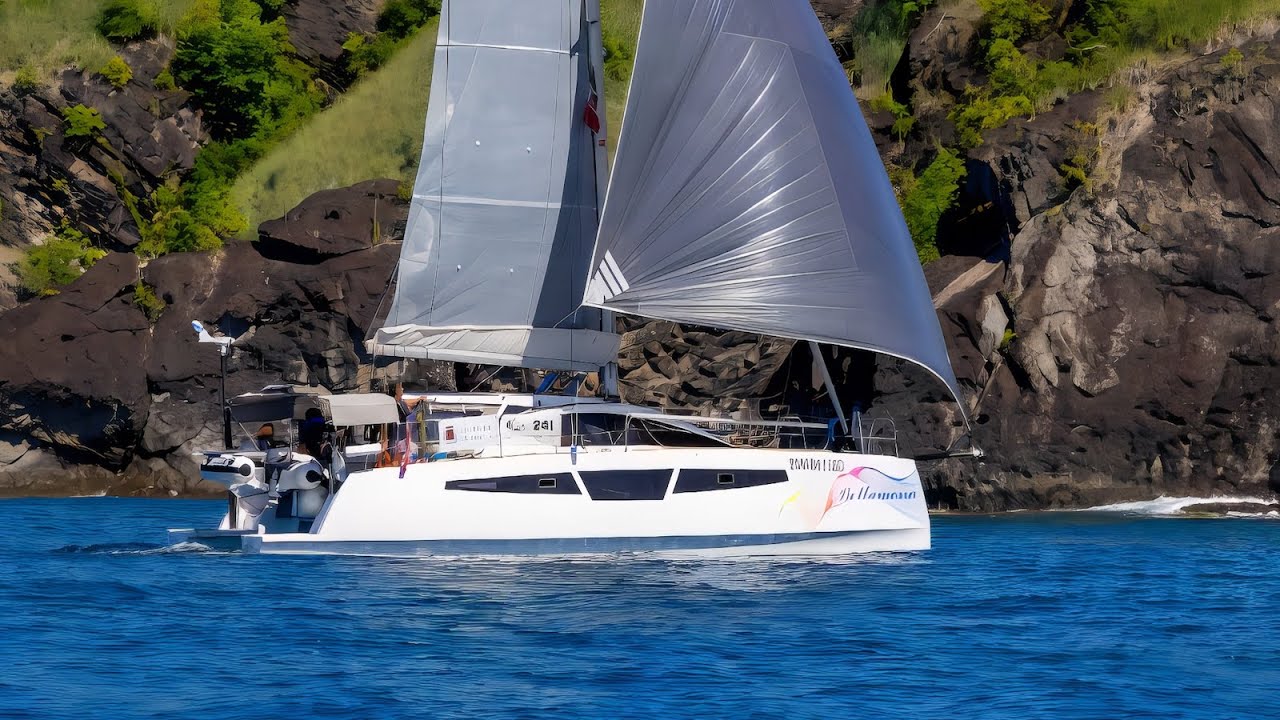
7:29
Regattas and cruising routes: the Youtube channel’s docufilms
Another fascinating section of our Youtube channel is dedicated to docufilms showcasing cruising itineraries and the editorial team’s participation in offshore sailing competitions. Clear examples include “1,000 Miles in the Tyrrhenian”, which documents two months of sailing in the waters of the Tyrrhenian Sea, and “History of Sailing”, which offers exclusive and evocative footage of the Giraglia Rolex Cup, the queen of Mediterranean regattas.
Boat accessory tests
The International Yachting Media’s Youtube channel also offers a selection of videos dedicated to testing boating accessories—an activity the publisher takes very seriously, with tests often lasting months or even years.
The journalists test each accessory rigorously, highlighting strengths and weaknesses to help users choose the best equipment for their needs. This type of content is especially valuable for owners who want to avoid unpleasant surprises aboard their boats.
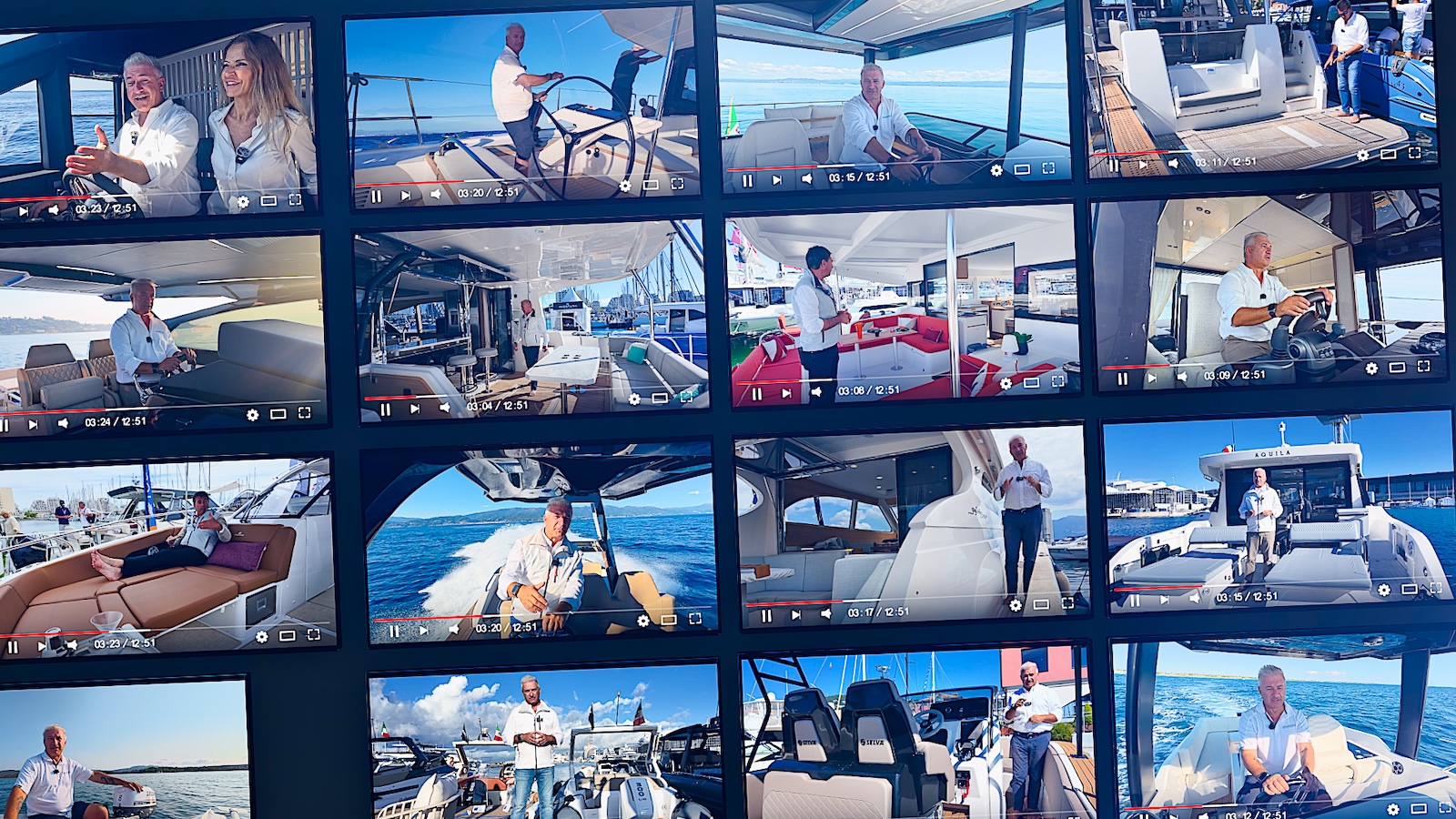
The secret behind the success of The International Yachting Media’s YouTube channel
Exclusive use of professional journalists
In a world increasingly dominated by bloggers, the guarantees offered by a channel run exclusively by trained journalists are evident and truly make the difference. Respect for journalistic ethics and the extensive experience of those who appear on screen are among the channel’s most distinctive features. Our journalists not only produce high-quality content but also deliver informed insights and commentary that enrich the viewer’s experience. Their professionalism builds a relationship of trust with the audience—essential for attracting new visitors and keeping existing ones engaged. This is why the channel has gained almost 200,000 subscribers in just one year, and this number continues to grow steadily.
Participation in major boat shows worldwide
Taking part in international boat shows is another key strategy for The International Yachting Media. Being physically present at leading global events allows the channel to have a comprehensive view of the market, ensuring that it does not focus only on the most famous shipyards but offers subscribers the chance to discover every possible alternative. During these events, new models are unveiled, boats from all over the world are tested, and live footage is captured and later shared on the channel.
International reach and multilingual system
The content of our Youtube channel is always embedded in dedicated articles published across The International Yachting Media’s six magazines: YACHT DIGEST, YACHTING NEWS, SUPERYACHTS, LOS BARCOS, YD LUXURY EDITION and TOUSLESBATEAUX. These magazines are available in 19 language editions.
This system, unique in its kind, allows the videos to receive powerful global exposure, as readers from all over the world can watch them with subtitles available in 11 languages—ensuring each viewer can enjoy the content in their native tongue.
The post The International Yachting Media’s YouTube Channel: exclusive content for a demanding audience appeared first on Yachting News.
]]>The post Pardo 43, the legend evolves. Full sea trial. appeared first on Yachting News.
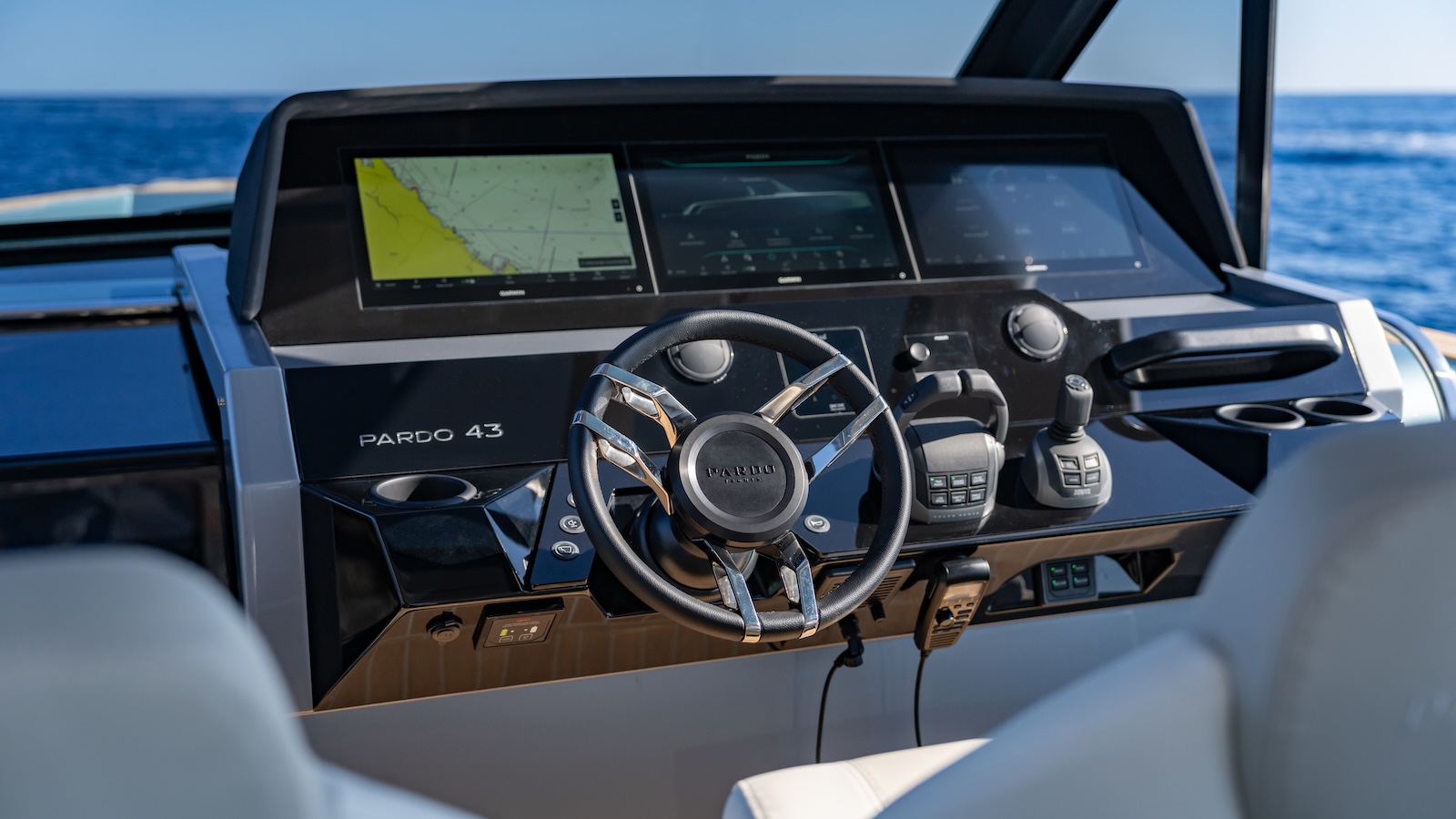
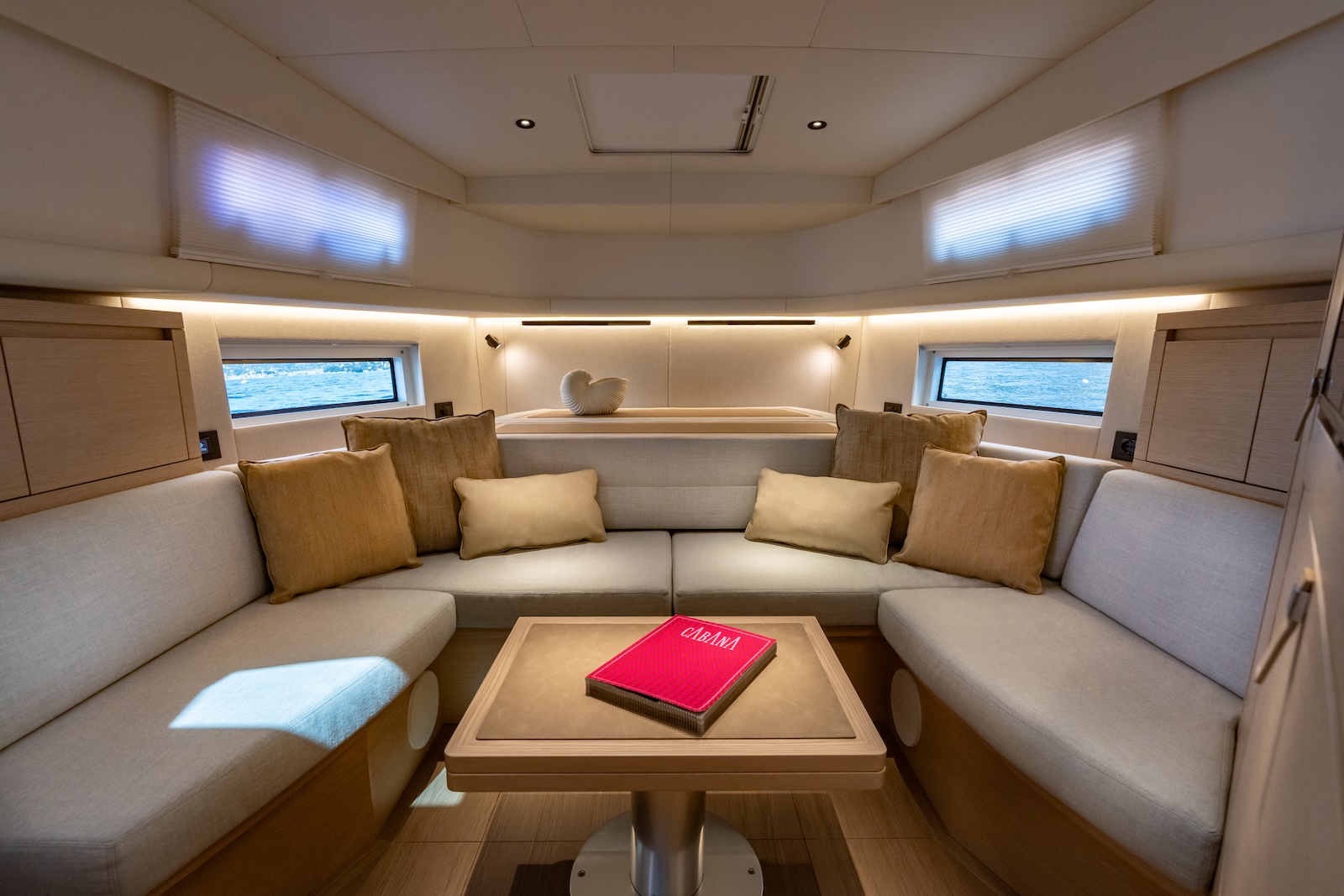
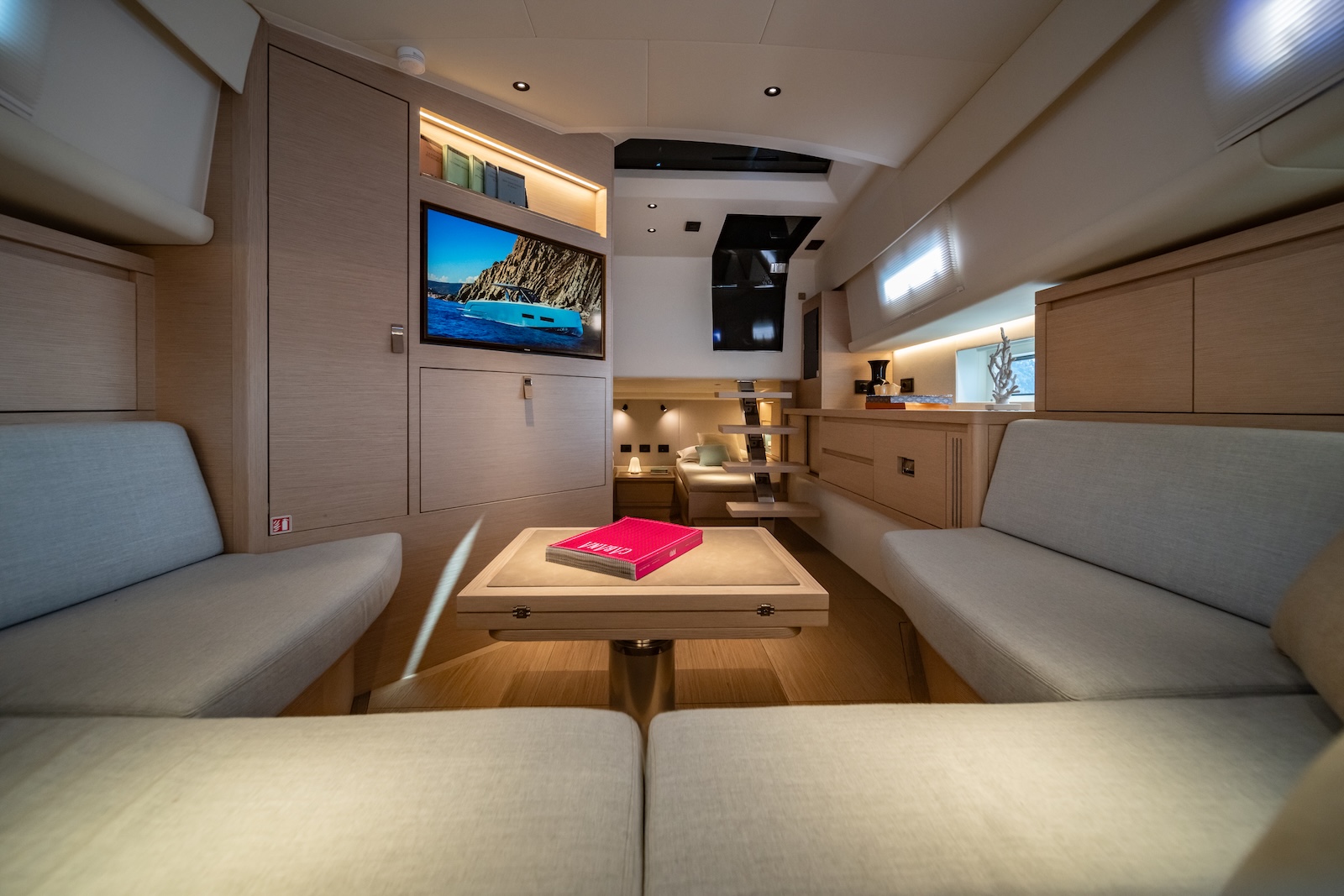
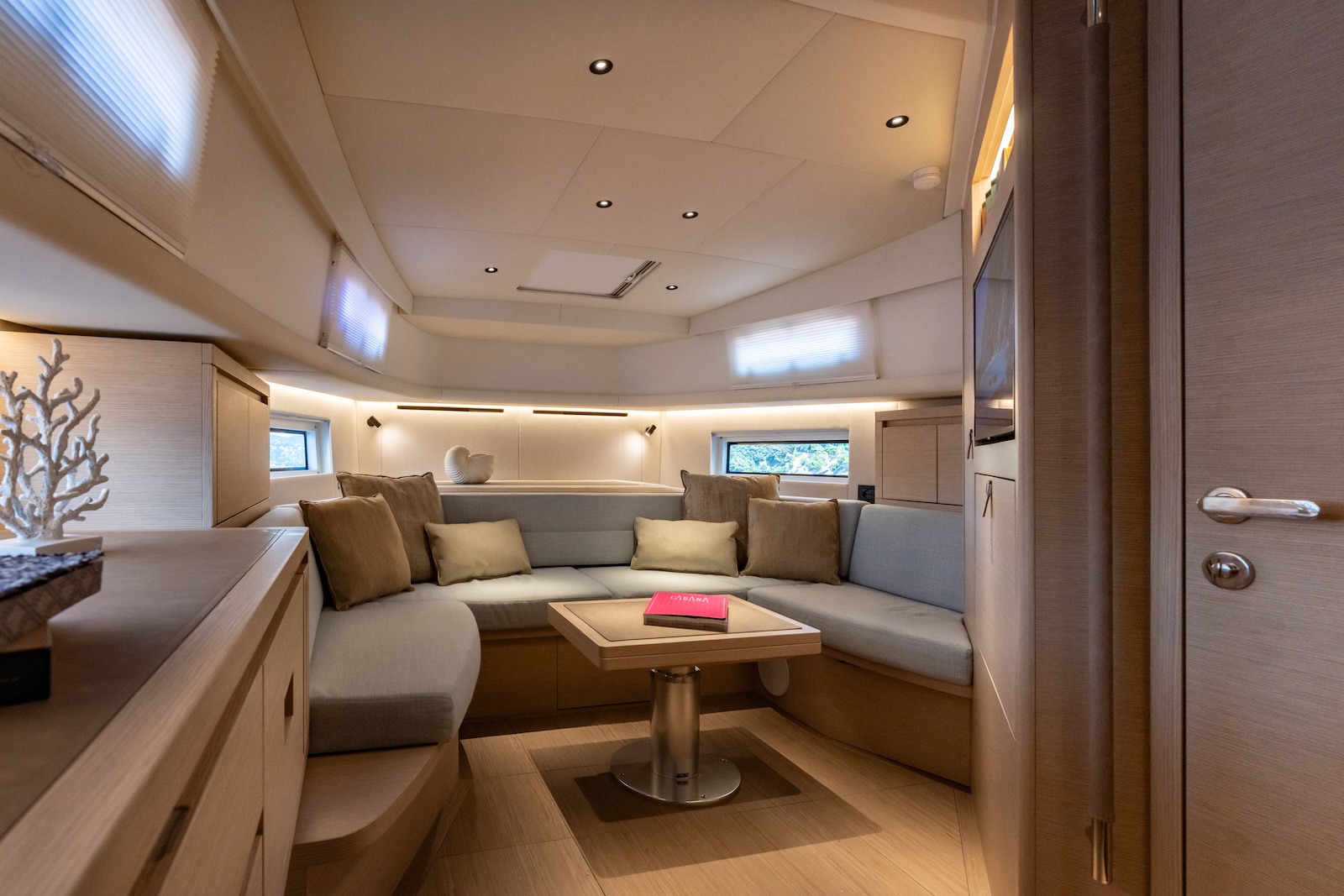
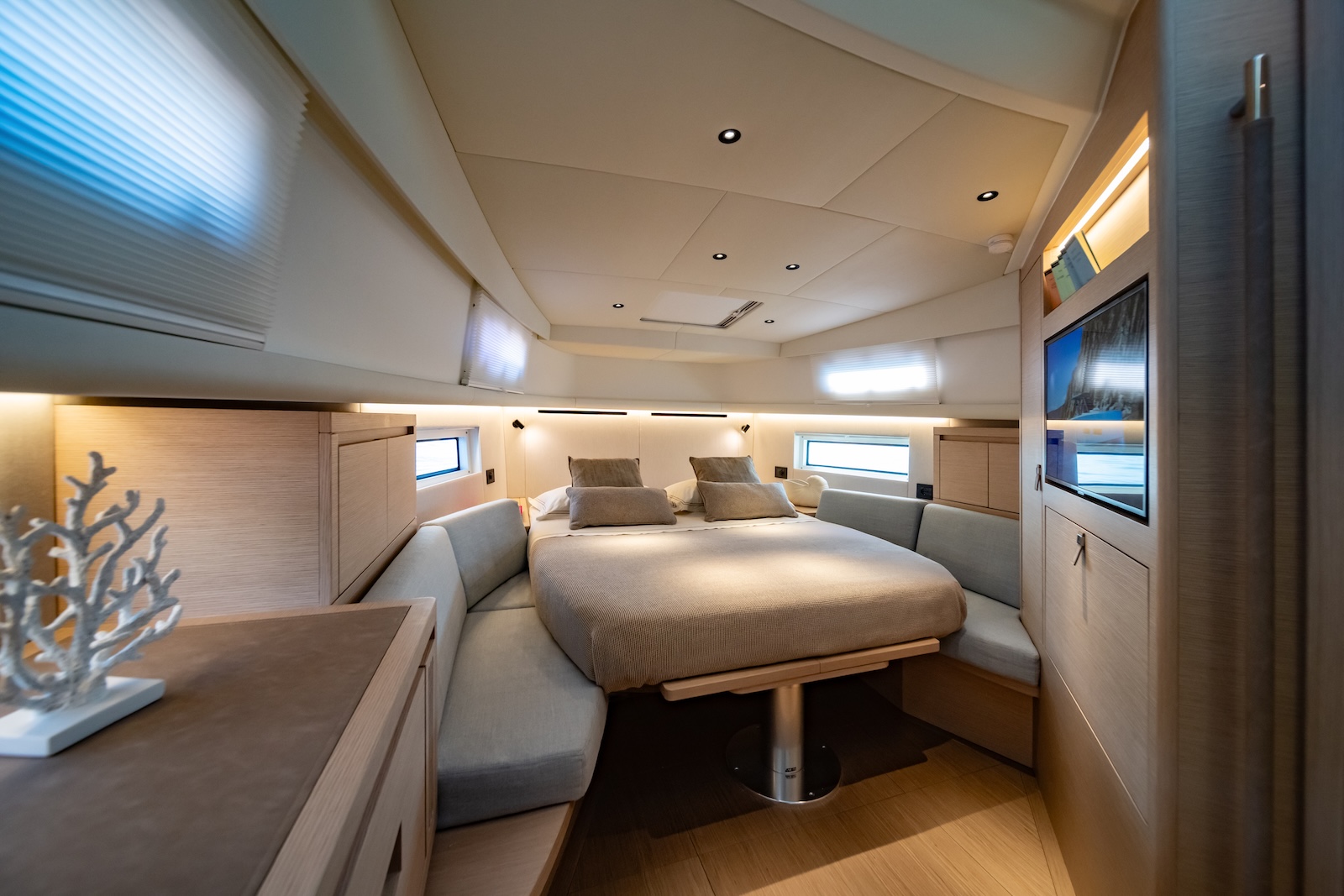
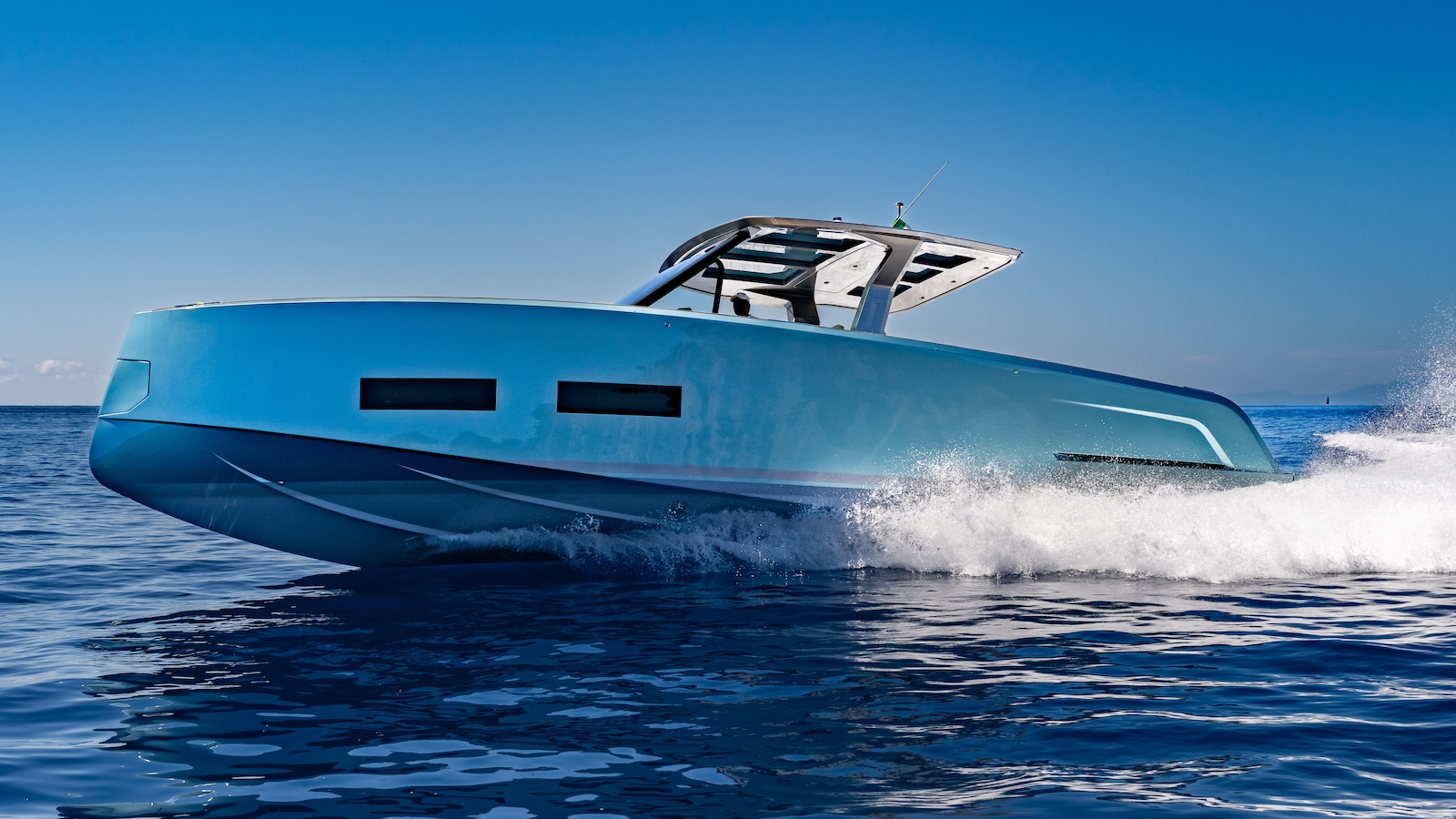
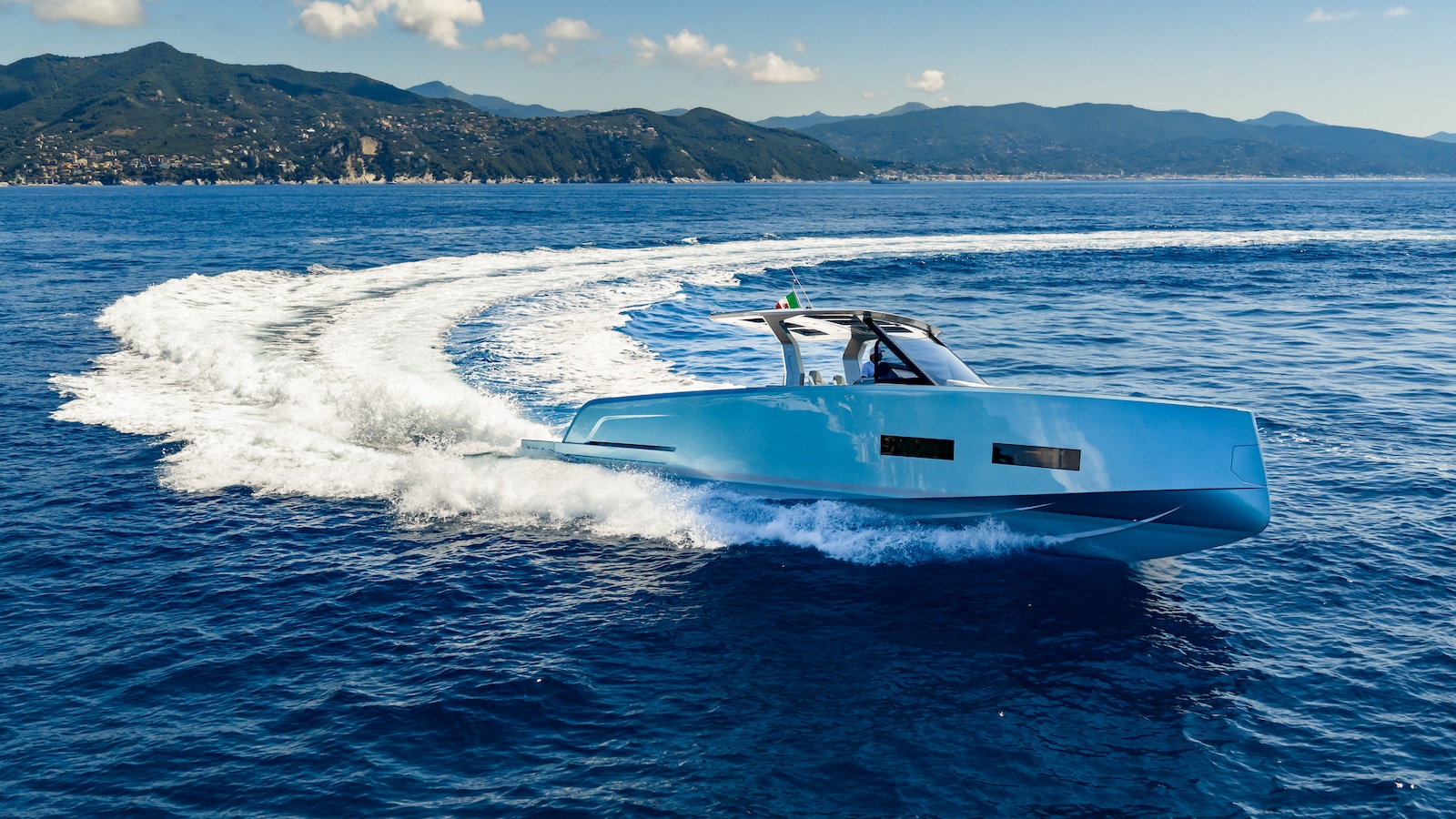
]]>The Pardo 43 is much more than just a yacht. It’s a true icon in the boating world, one that undeniably sparked a trend and, with its remarkable success (333 units launched), has deeply transformed the market.
The new Pardo 43
Designing the evolution of a boat with this kind of legacy is anything but simple. Improving a yacht that has been able to leave an indelible mark and essentially defined a new market segment—the high-end walkaround—is a seriously challenging task. The many pointless attempts at imitation we’ve seen over the years prove it clearly.
And yet, the new Pardo 43 not only manages to brilliantly reinvent itself but once again raises the bar to a level that’s practically unreachable for the competition.
This “miracle” was made possible by the collaboration between the shipyard’s design center and Nauta Design which, with just a few well-judged touches, have given the Pardo 43 a look that is at once refined and elegant, sporty and compelling.
Exteriors
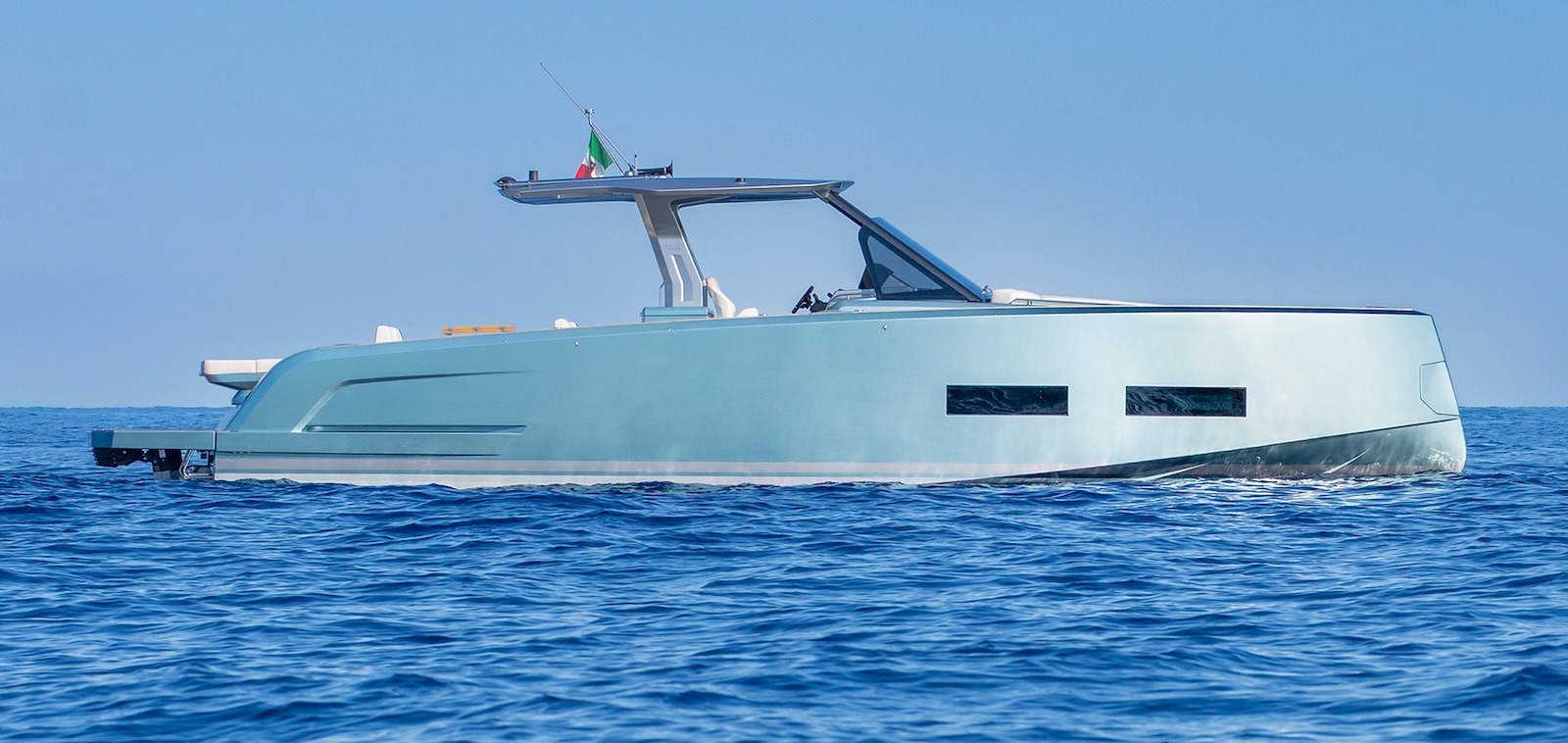
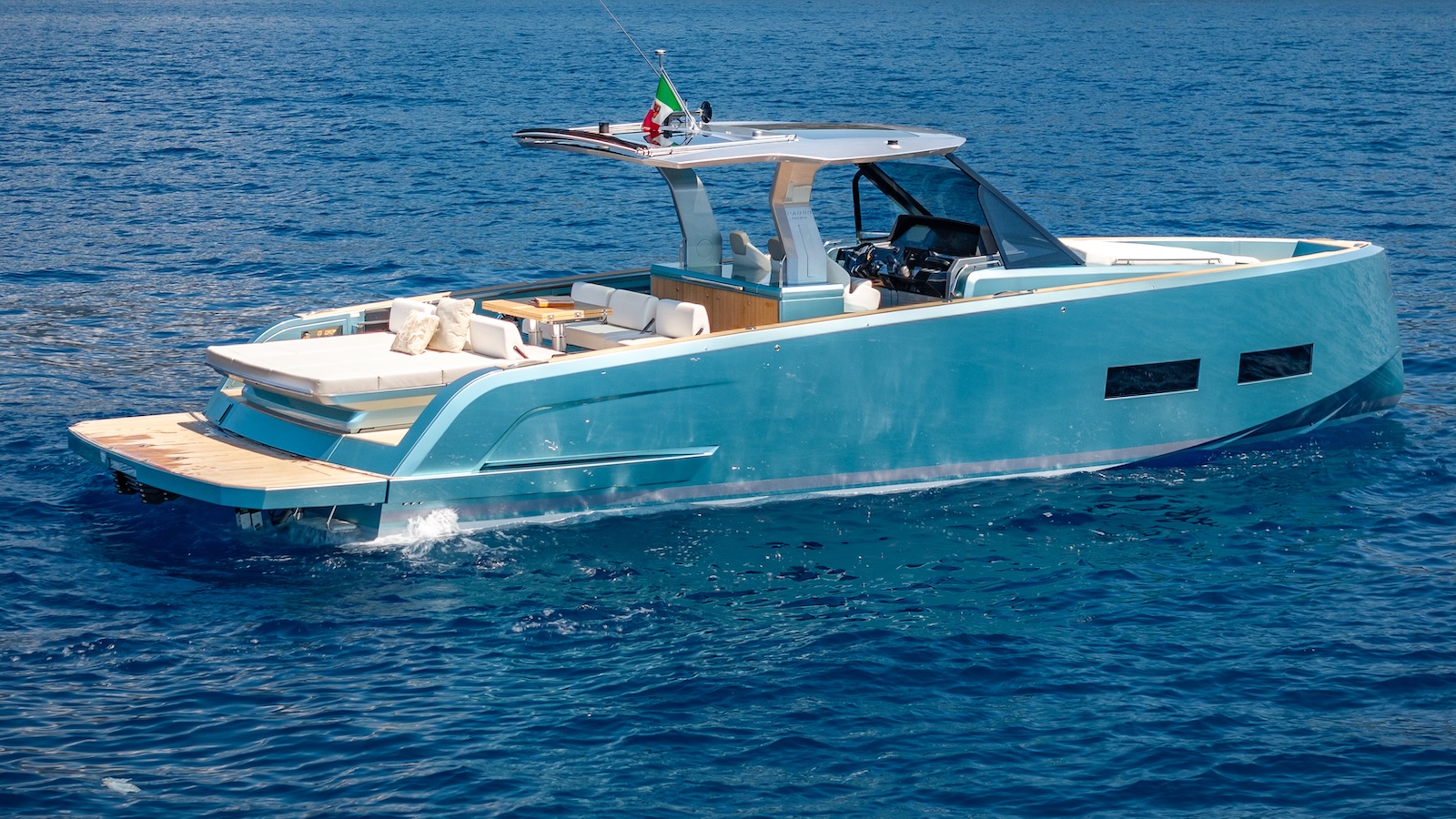
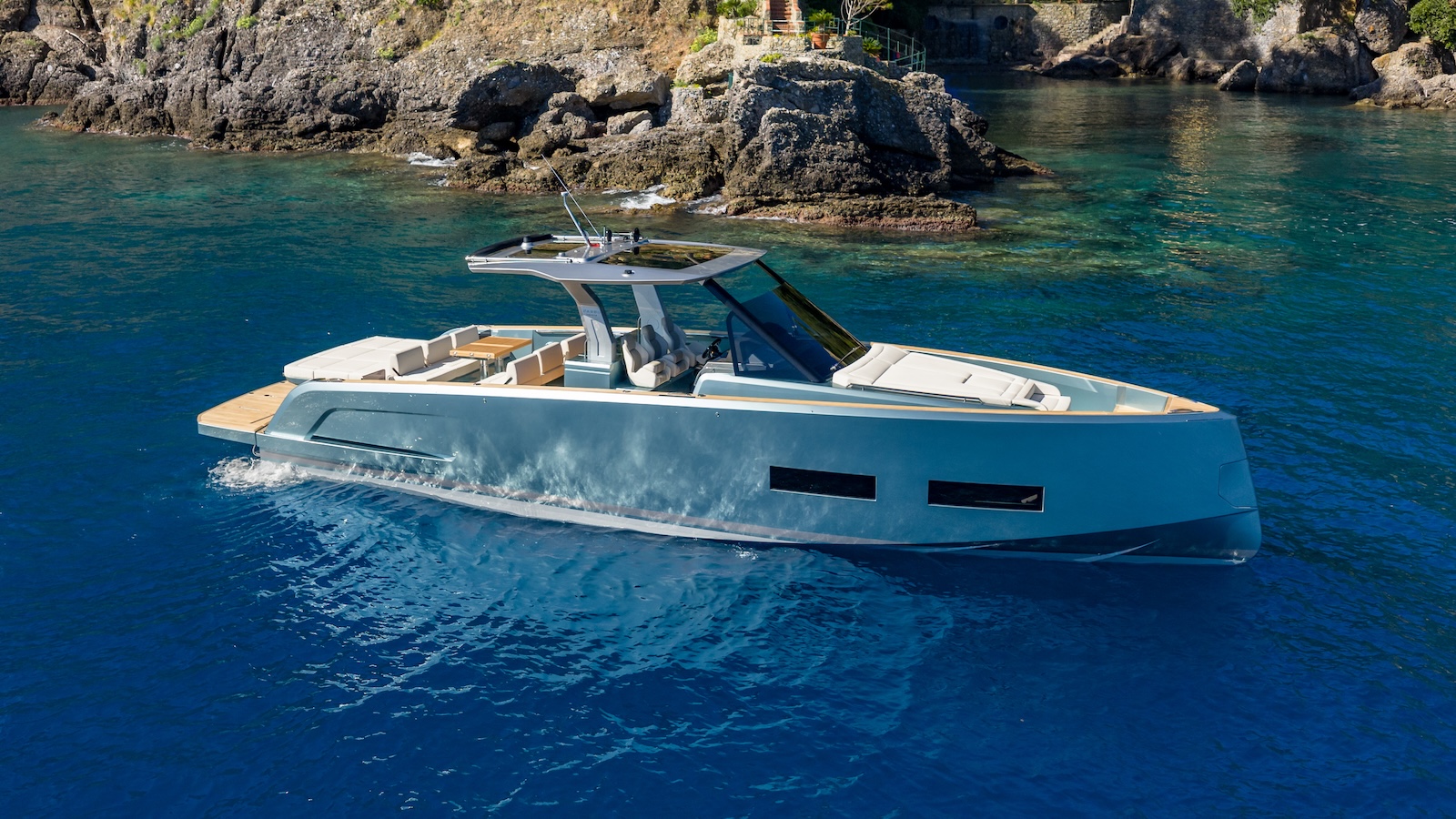
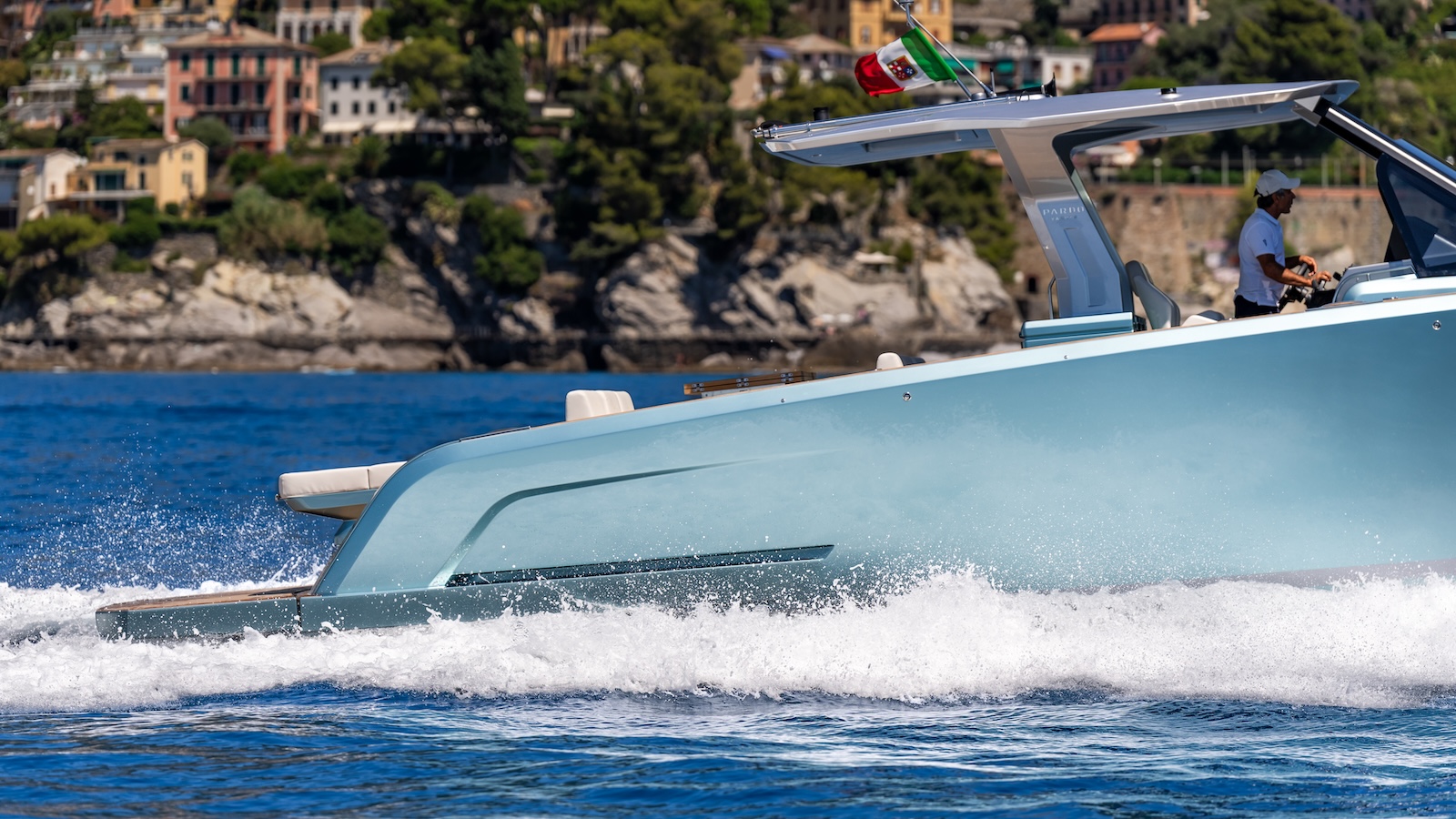
The profile of the new Pardo 43 evolves thanks to the introduction of two details—two strokes of exquisite design—that not only serve practical purposes but also give the side view an unmatched beauty.
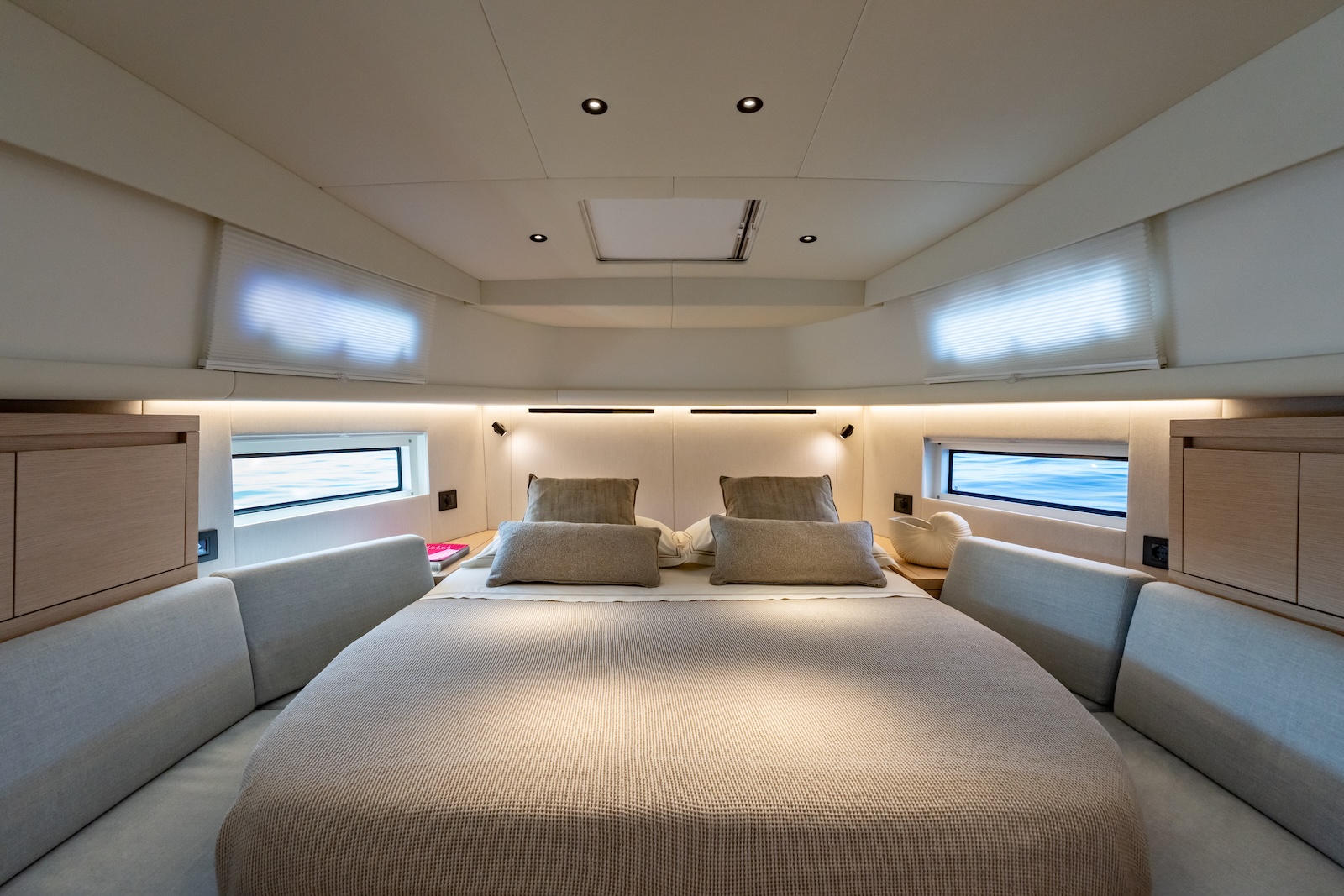
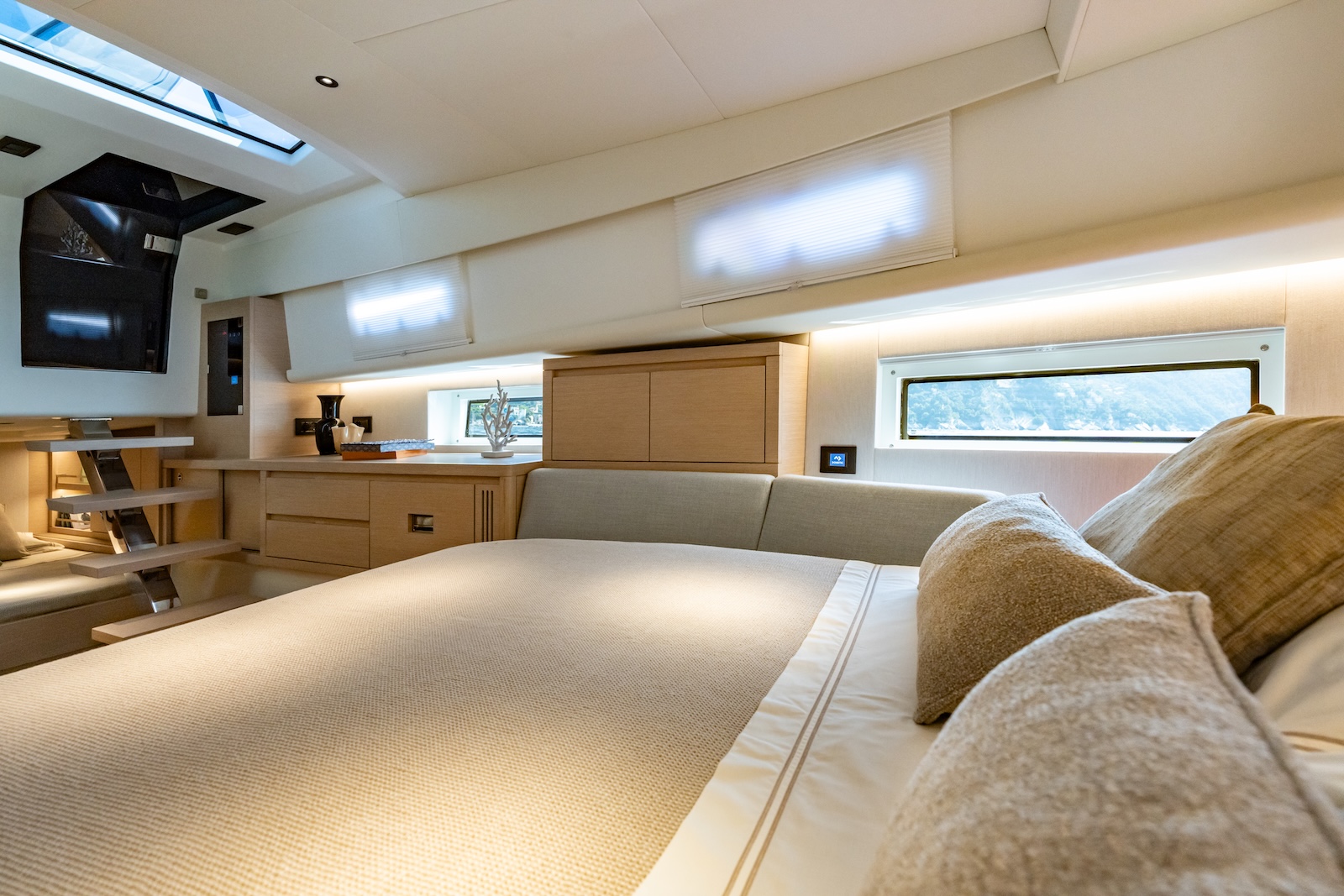
The elegantly drawn aft strake houses the relocated air intakes for the inboard engines, which are noticeably quieter in this new position. The addition of the two side windows is also stylistically pleasing and brings the undeniable benefit of introducing more natural light into the interior.
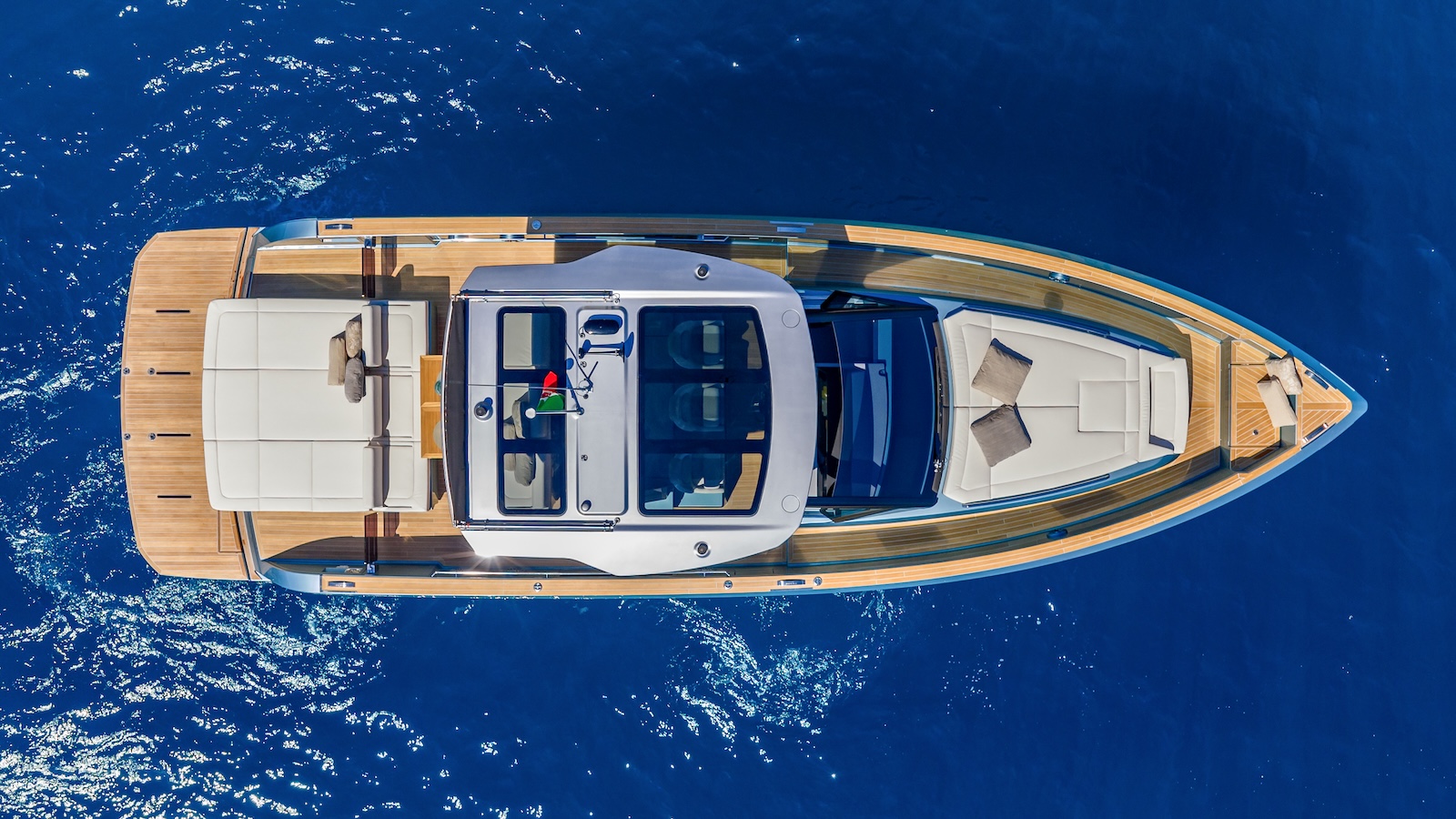
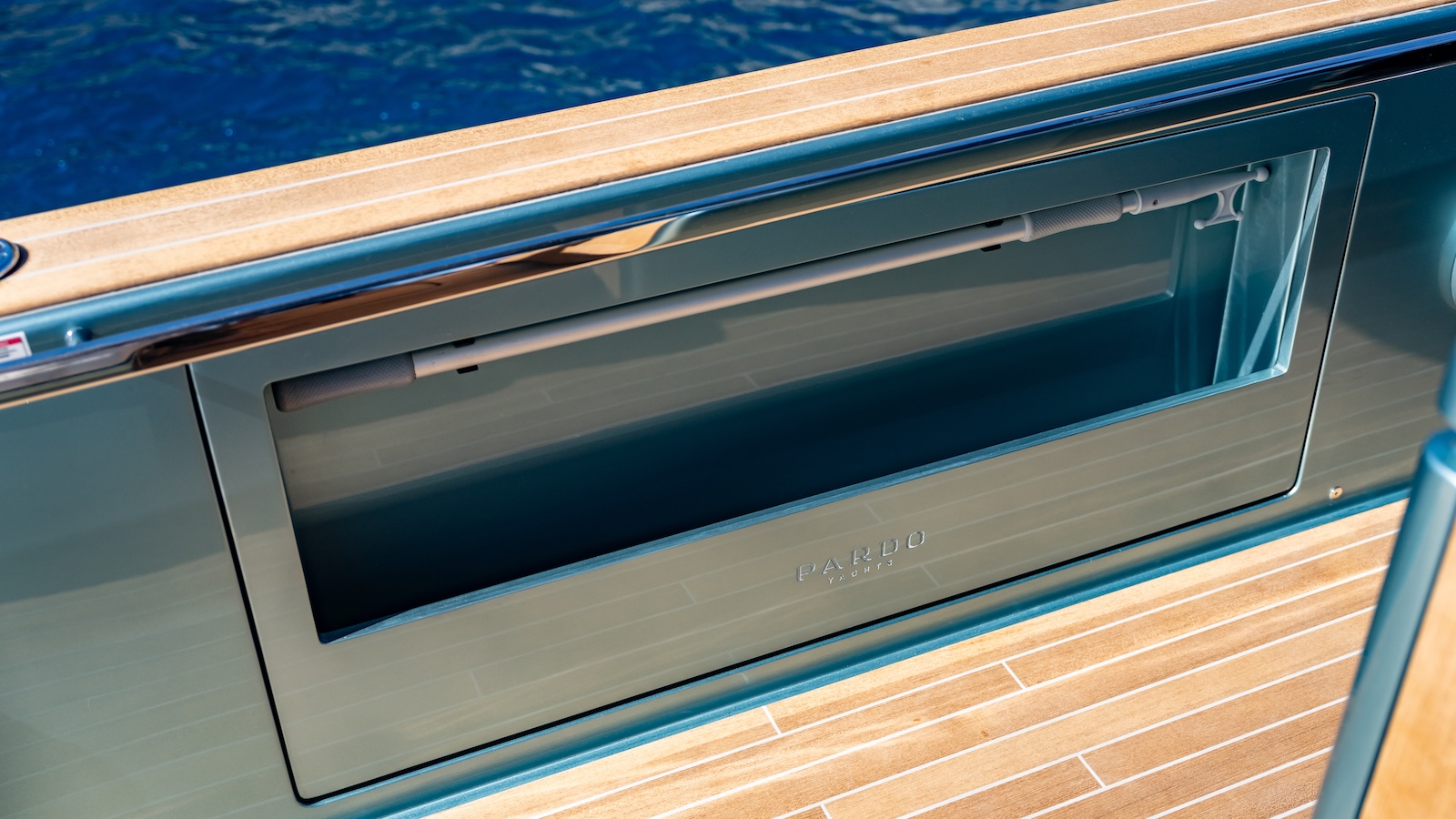
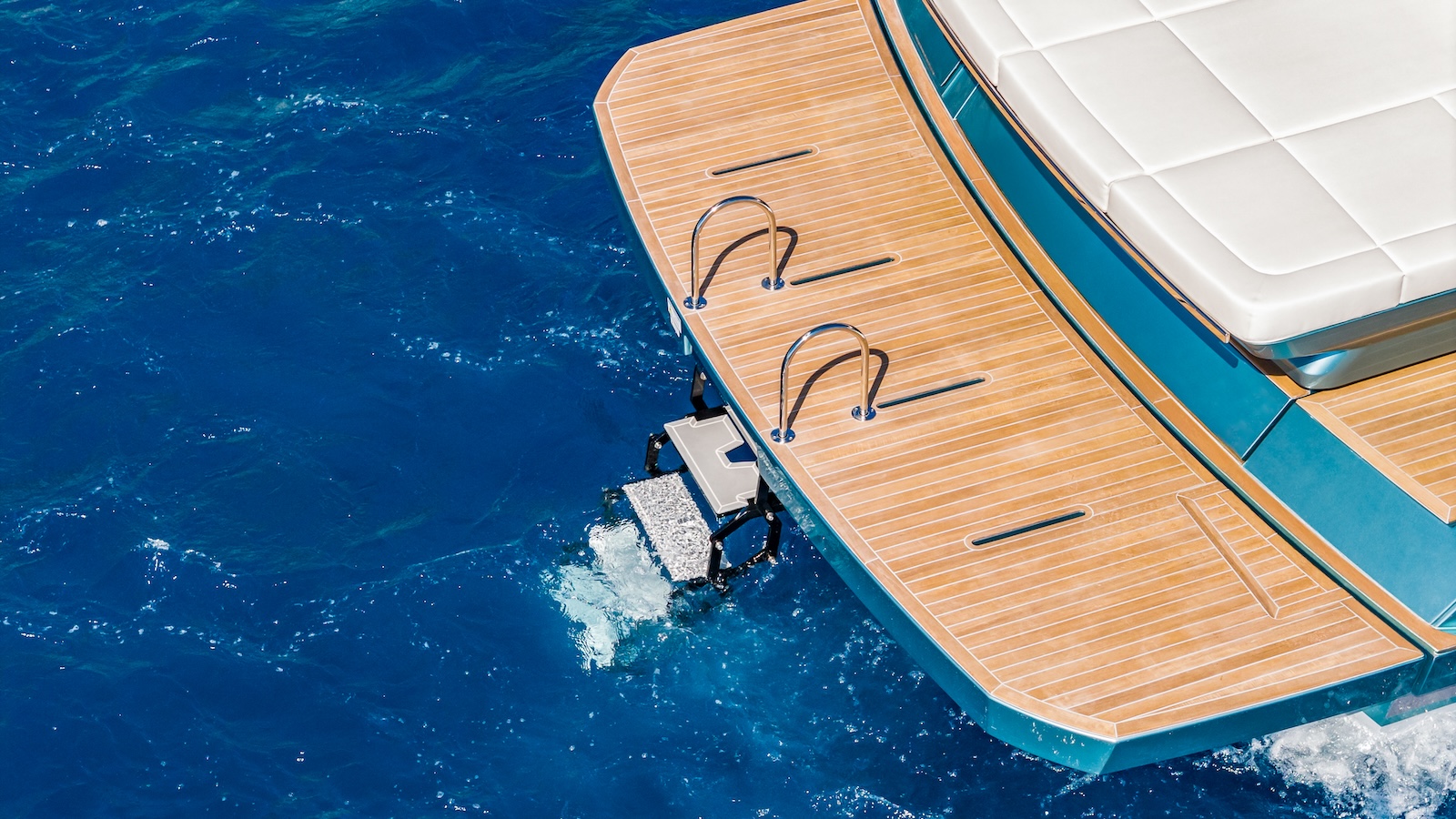
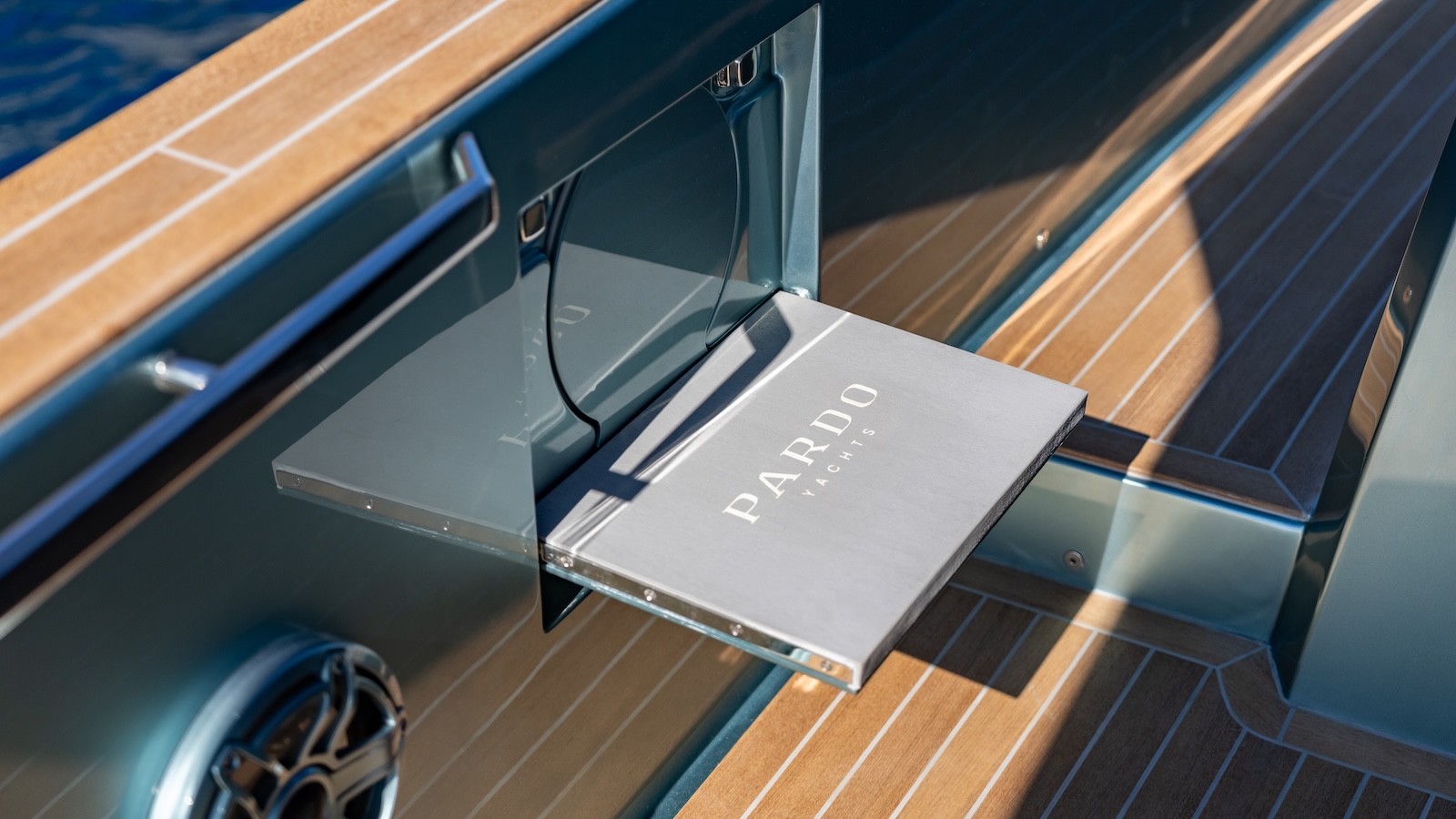
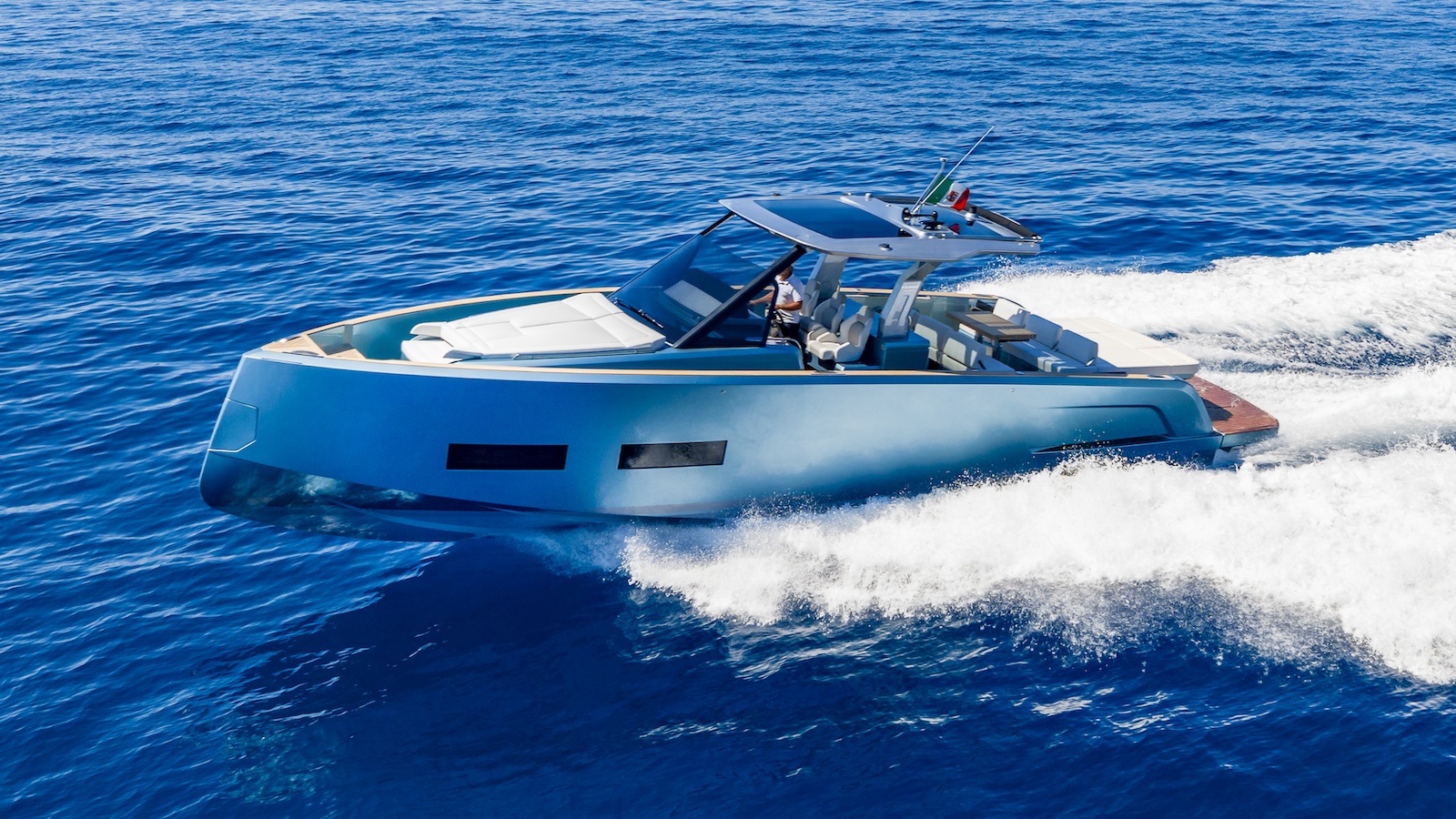
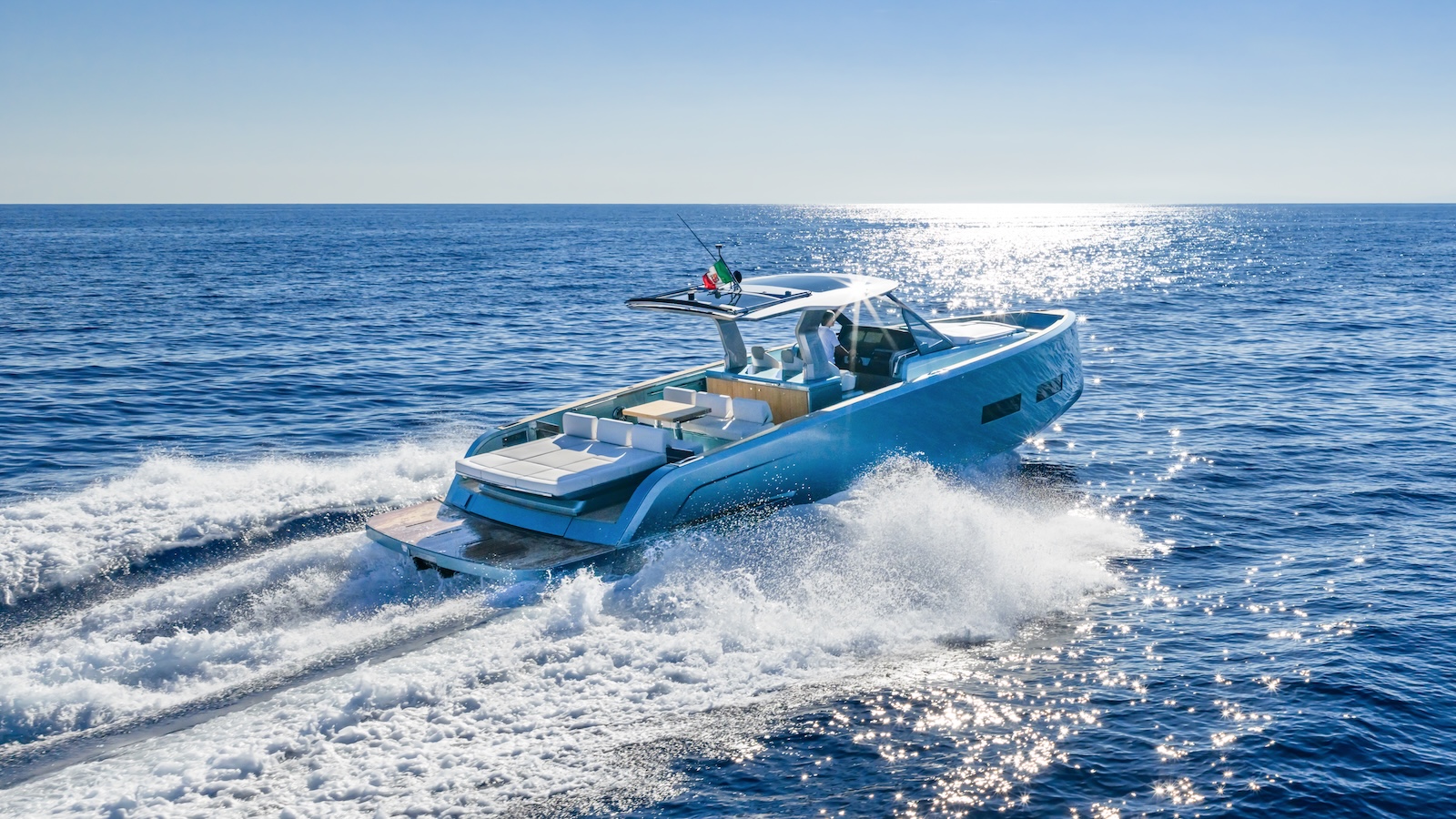
The stern of the Pardo 43 – another defining feature of this boat – now showcases a sunpad that extends gracefully over the platform, adding precious extra space to the deck layout. The beach club has also been enhanced with an innovative boarding ladder that integrates seamlessly into the boat’s submersible platform.
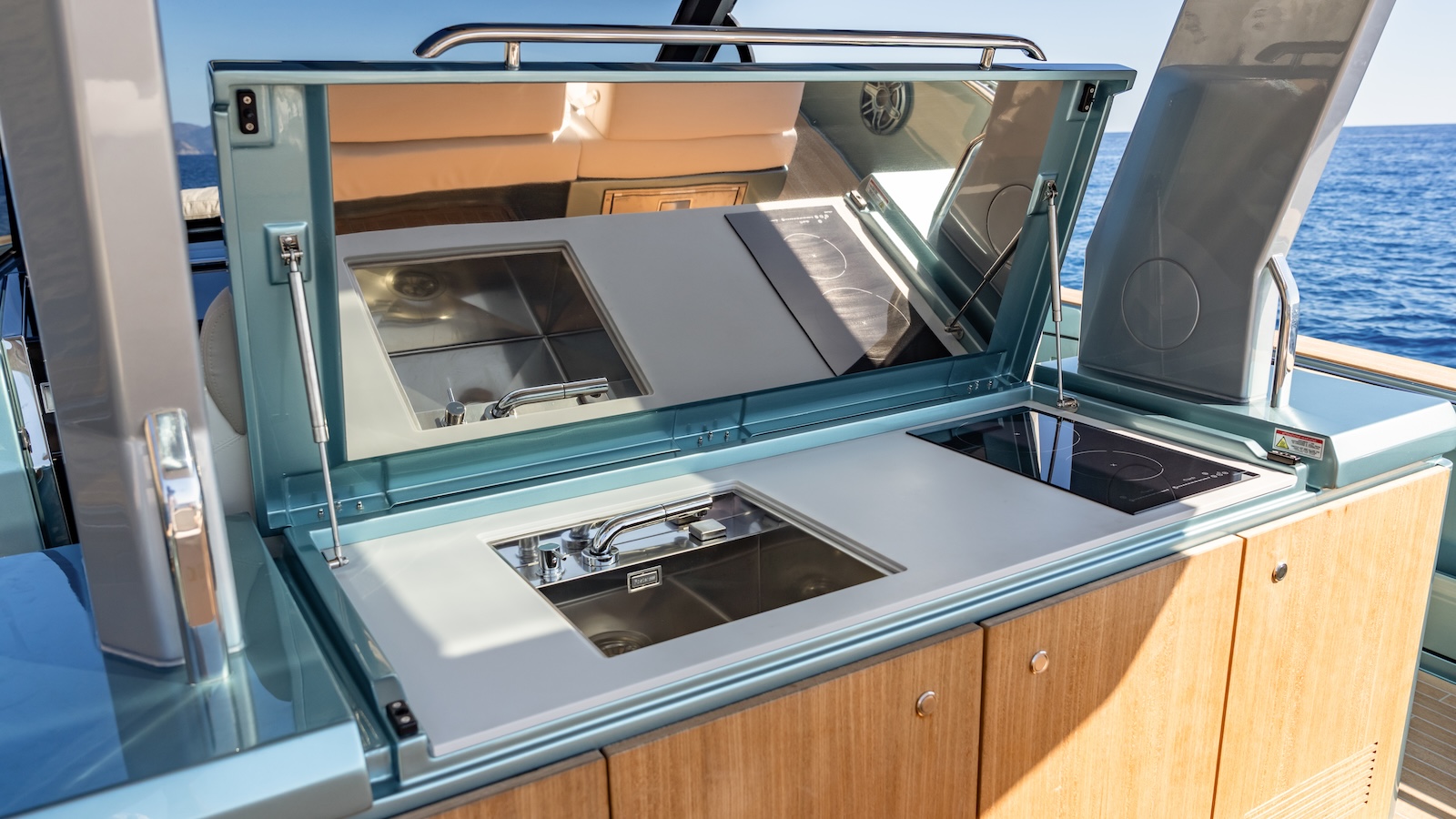
The T-top on the new Pardo 43 is now larger and offers more protection than before, shading a bigger portion of the deck. This is also thanks to the new retractable electric awning which, importantly, has been moved above the T-top, making it practically invisible. The design of the outdoor galley beneath it is new as well—beautiful and now significantly larger. The bow area of the Pardo 43, which can be shaded using canvas supported by carbon poles, now features a forward-facing two-seater bench carved out of the large sunpad.
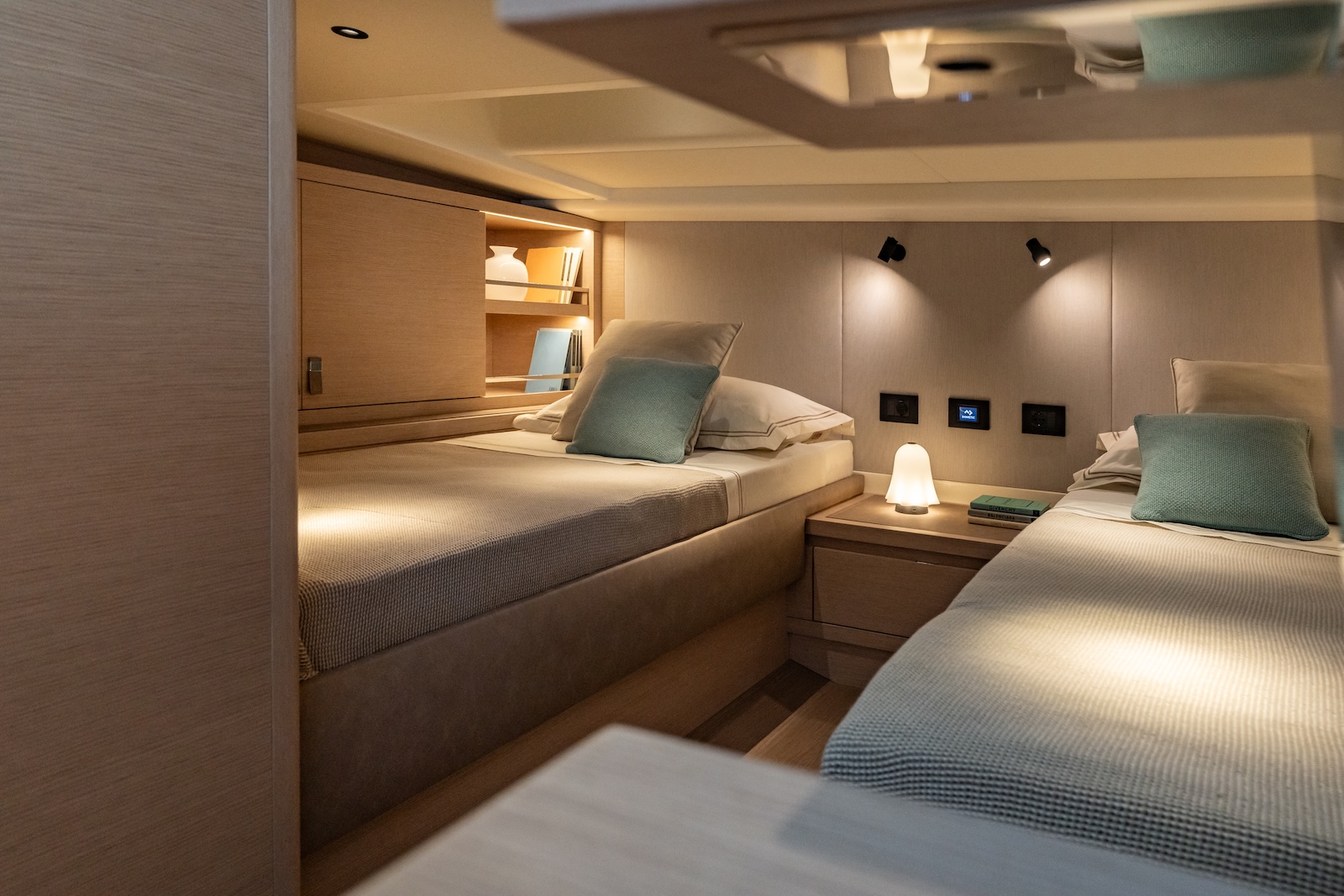
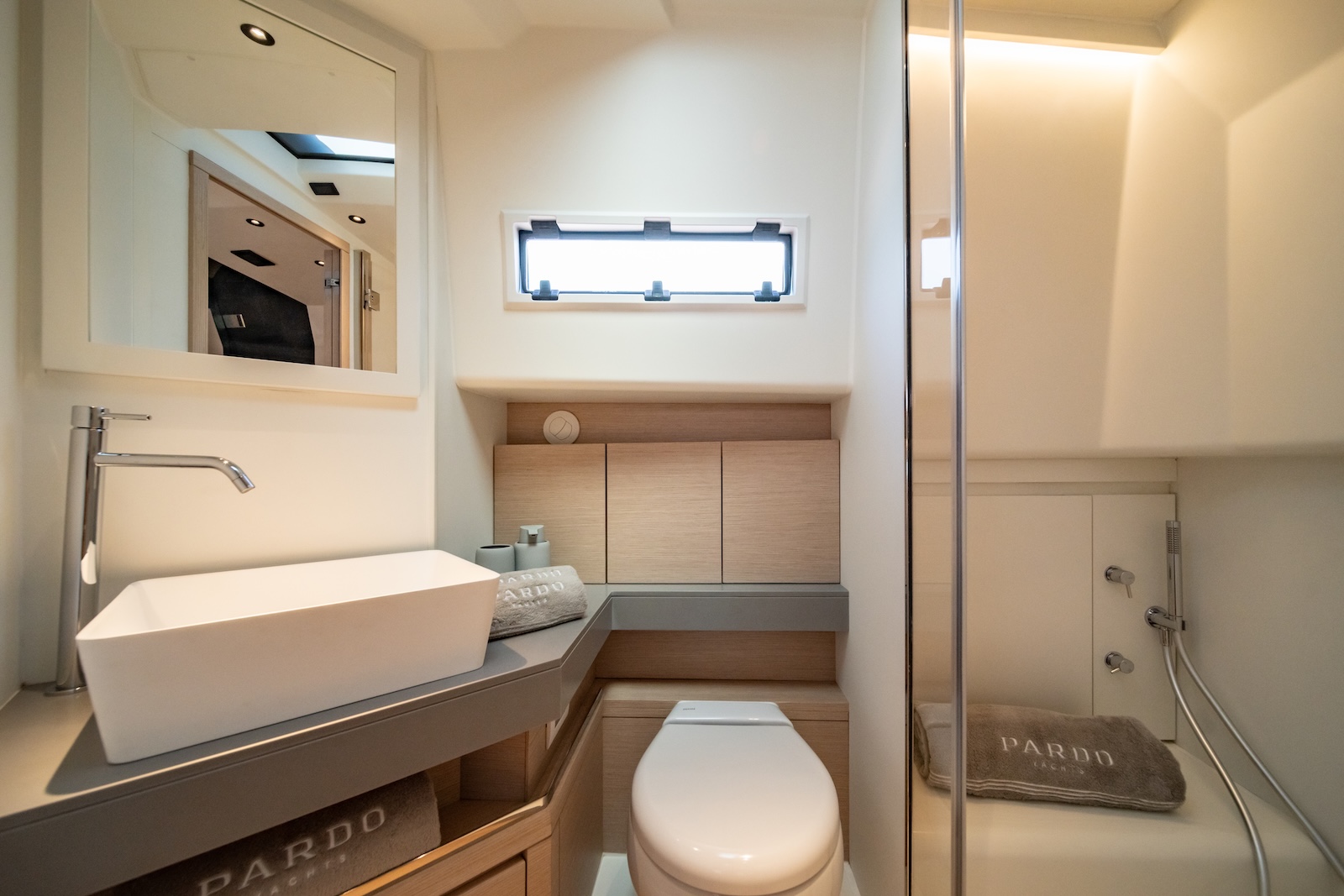
Practical and stylistic innovations of real substance, further amplified by the overall level of finish on this new Pardo 43 which—at an impressively high standard—shows in concrete terms what it means to build a proper boat. A shining example is the hull paintwork (and all exterior surfaces), which now benefits from a special post-curing oven treatment. On one hand, it delivers a visibly above-average quality; on the other, it significantly extends the lifespan of all exposed surfaces.
The post Pardo 43, the legend evolves. Full sea trial. appeared first on Yachting News.
]]>The post Gulf Craft, Erwin Bamps: “The future of yachting is comfort, innovation, and global thinking” appeared first on Yachting News.
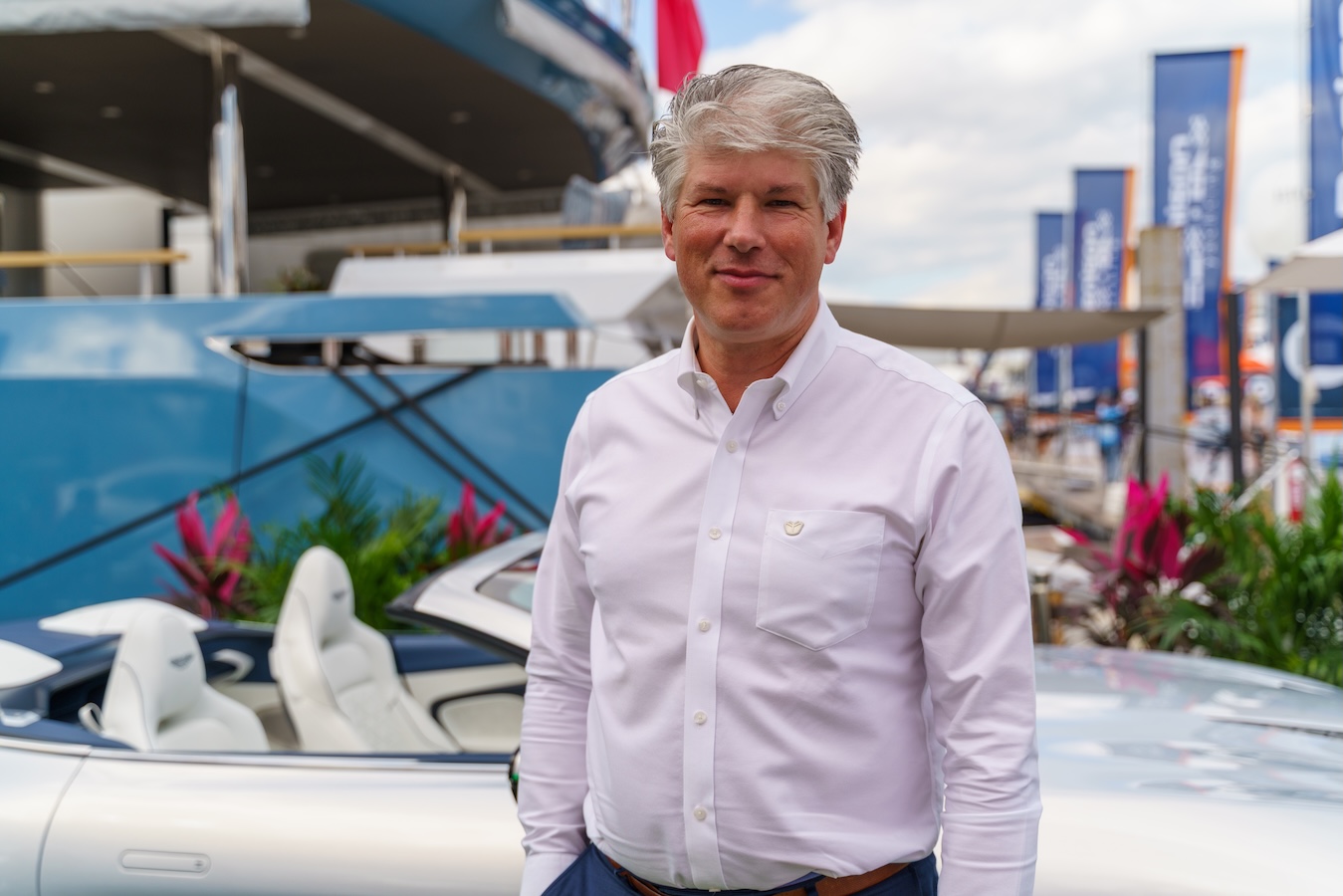
]]>Amid the bustling docks of the Fort Lauderdale International Boat Show, Erwin Bamps, CEO of Gulf Craft, greets visitors with the confident smile of someone who understands the rhythm of the international market and can anticipate its next moves. Just days before the Qatar Boat Show, where the Emirati shipyard will unveil the new Nomad 101, Bamps speaks enthusiastically about a season full of projects, evolutions, and new milestones for the group.
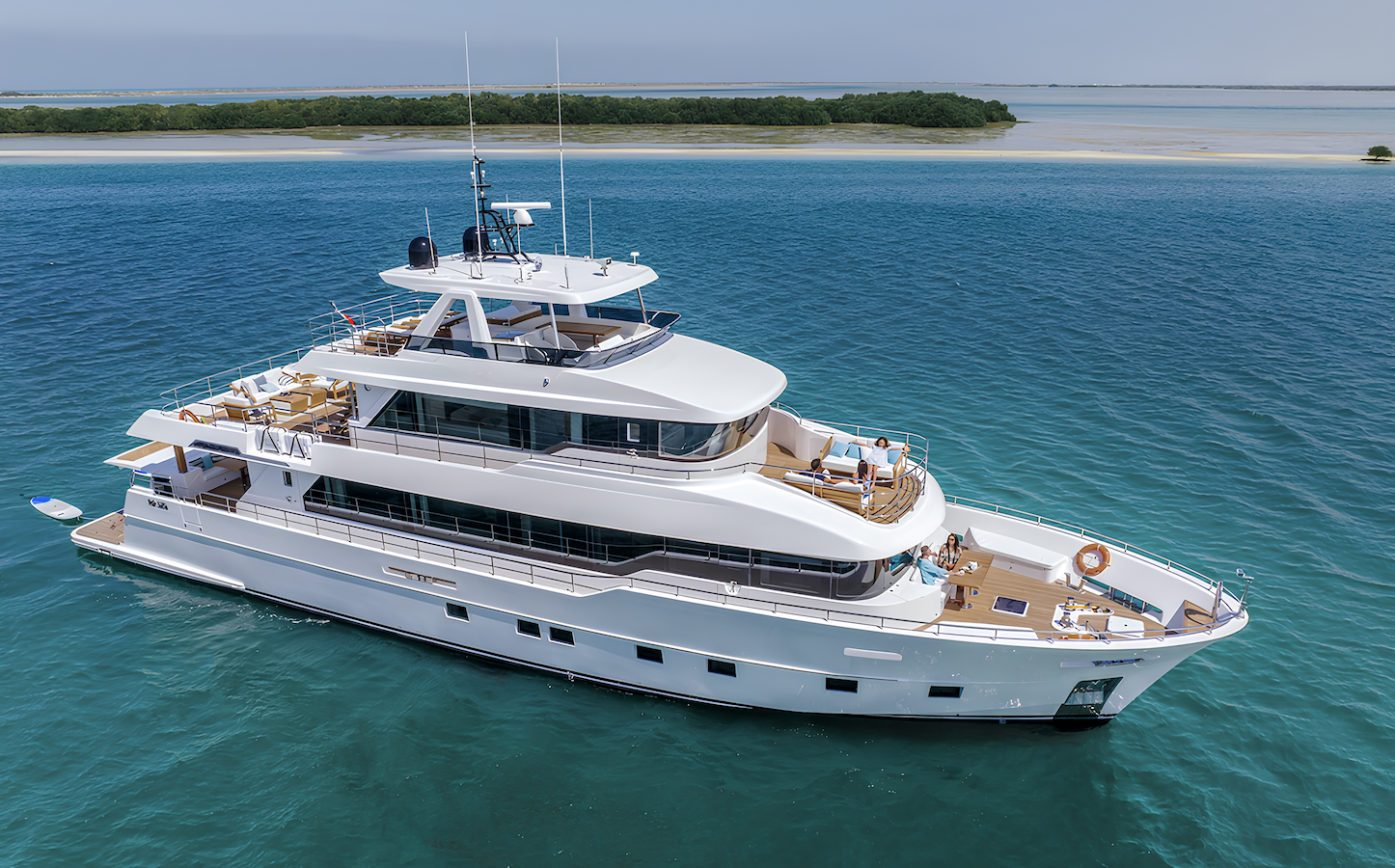
“The Nomad 101 is an updated version of an existing model, the largest in our Nomad Yacht series – explains the CEO – We first introduced it to the Qatari market back in 2005, and it was met with great enthusiasm by an audience looking for yachts that weren’t just as beautiful as our Majesty line, but also designed as places to welcome friends and family, with generous indoor and outdoor living spaces”. Today, Gulf Craft returns to that market with a renewed model ready to impress once again. “Qatar is the second most dynamic boating market in the Gulf after Dubai, which is practically our home turf, and we want to showcase all the latest additions to our range there: Majesty, Nomad, Oryx, and the new SilverCat power cats”.
Gulf Craft, a year of success and recognition
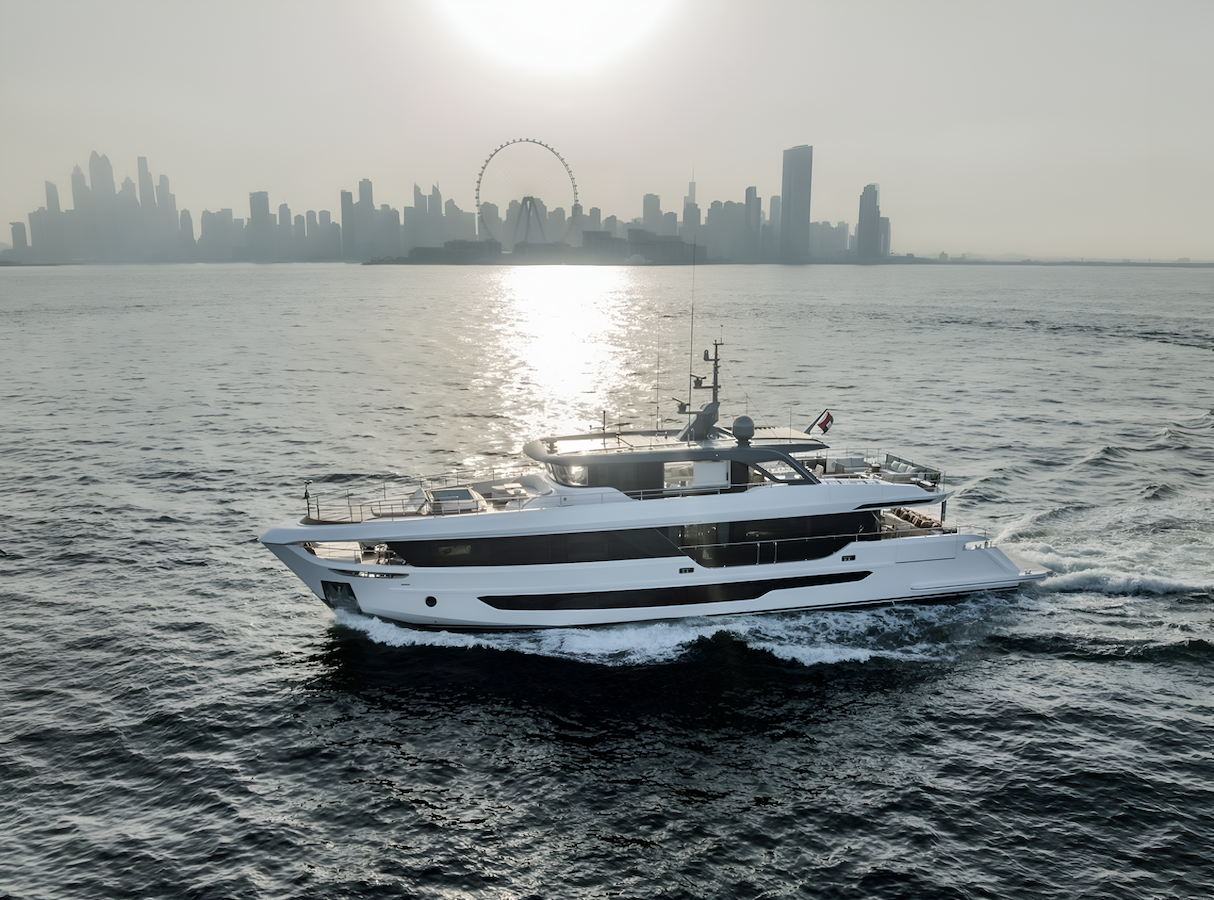
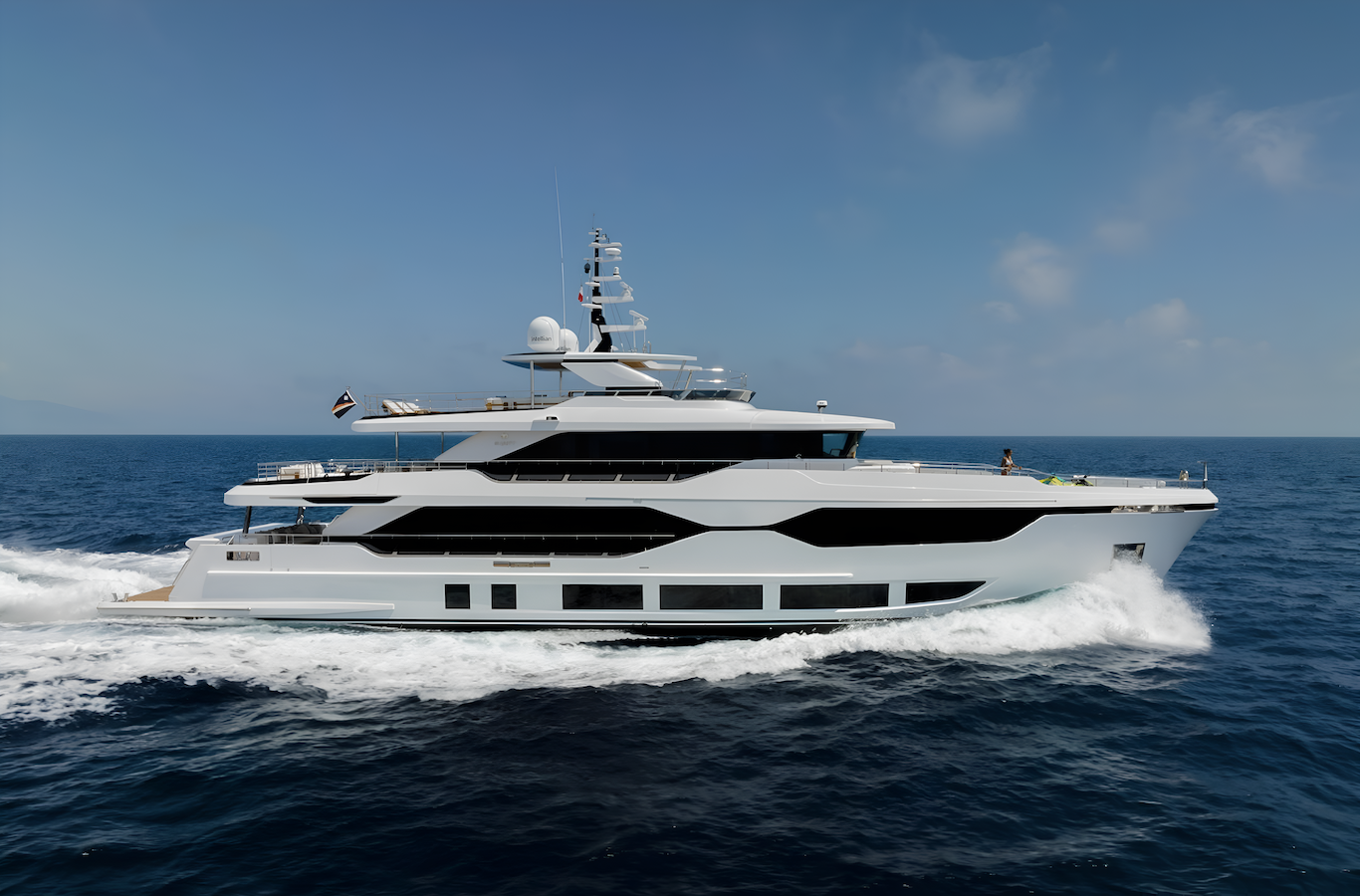
Gulf Craft’s energy has also made an impact in Europe, where the shipyard has experienced a season full of achievements between Cannes and Monaco. “We brought two iconic models to the Cannes and Monaco Yacht Shows: the Majesty 100 Terrace and the Majesty 120 – says Bamps – The 120 wasn’t a premiere, but it continues to be highly appreciated on the global market, especially in the Mediterranean, where it’s in great demand for charter. The 100 Terrace, on the other hand, represents a new generation within the Majesty range”. The idea, he explains, was to showcase two complementary design visions from Gulf Craft: “Many visitors moved between the 120 and the 100, discovering just how diverse our design approach can be and how customizable each yacht truly is”.
Success also came in the form of awards: in Cannes, Gulf Craft received two prestigious World Yachts Trophies for the Majesty 100 Terrace (Best Evolution) and the Majesty 112 Terrace (Best Semi-Custom Yacht). “It was an honor to win with a model — the 112 — that we hadn’t even officially presented yet, either to the European or American markets. This yacht will be introduced in the United States next year in collaboration with Denison and represents one of the most anticipated projects of 2026”.
From tradition to diversification
Gulf Craft’s path has never been linear, but rather strategic. “Our strength lies in diversity – says Bamps – In the Middle East and in emerging markets, there’s never a consistent volume in any single segment, so having a range that spans from fishing boats to superyachts allows us to stay competitive even when demand changes”.
Today, as the SilverCat catamarans and Oryx sport boats attract new customers, the group continues to evolve. “In the United States, we’re recognized as a major player in the superyacht segment, and we’ll keep strengthening this position. But we’ll soon be introducing the Nomad brand as well. We believe there’s huge potential for this kind of yacht, especially here and in Asia”.
Bamps’ vision is clear: bringing yachting to new audiences by adapting products to their context. “In markets like Malaysia, Indonesia, Thailand, or the Red Sea, a superyacht culture doesn’t yet exist. There, our smaller boats like the Oryx and SilverCat are perfect for introducing people to the sea. Our goal is to get people on the water — not just to sell boats”.
Catamarans, comfort, and new trends
According to Bamps, the market is changing rapidly. “The catamaran is a growing phenomenon, even though it’s been around for a long time. People are increasingly looking for space, stability, and comfort. Twenty years ago, the first question was ‘How fast is this boat?’. Today it’s ‘How comfortable and how quiet is it?’ It’s the triumph of quiet luxury”.
For Gulf Craft, this evolution comes naturally: “Comfort has become an absolute priority, and efficiency, thanks to the hull design, follows as a natural result. Customer preferences have shifted, and we’re moving along with them”.
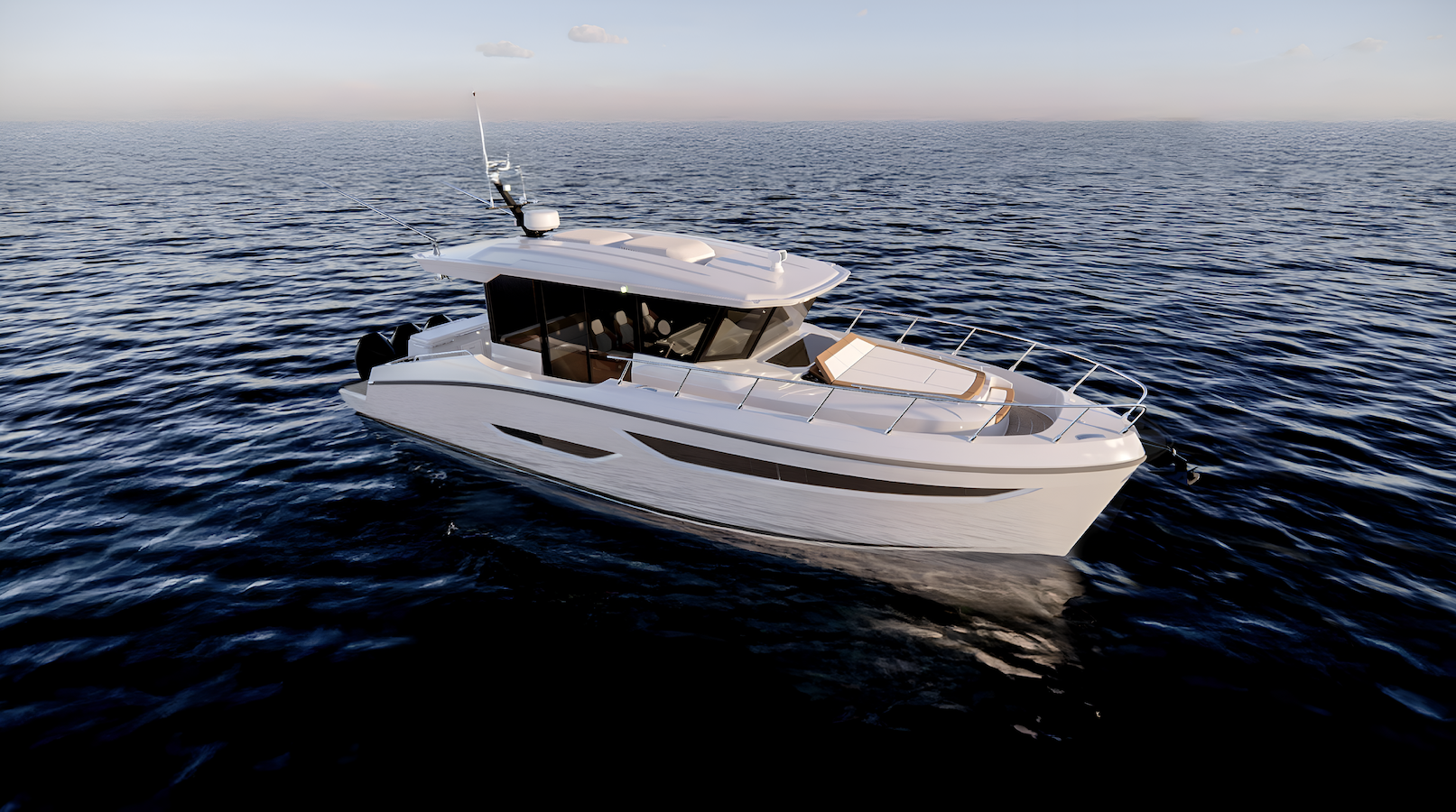
The new Gulf Craft SuperYacht Service Center
Among the company’s most significant projects is the new SuperYacht Service Center (SYSC), a facility entirely dedicated to refit, maintenance, and technical support, recently inaugurated in the UAE. “It’s not enough to build a great product — you also have to ensure its upkeep over time – explains Bamps – Many owners want to enjoy their boats, not worry about managing them. And we want to offer them a complete service, even for brands other than our own”.
The new division, the CEO emphasizes, is a strategic step: “SYSC wasn’t created as an add-on service but as an independent business unit. It’s a way to extend the life of boats, preserve brand value, and at the same time take a more sustainable approach. After all, the most eco-friendly boat is the one you don’t have to build from scratch”. A philosophy that fully reflects Bamps’ vision: “Refit is a form of circular economy — renewing, improving, and extending the life of yachts. We’re not just talking about building in a greener way, but about making better use of what already exists”.
Gulf Craft, a horizon in motion
2025 has been an intense year for Gulf Craft, but as Bamps says with a smile, “It’s too early to draw conclusions — we still have many goals ahead of us”. Having returned to lead the group six months ago, after an initial 17-year tenure, he describes this phase as his “version 2.0”.
“I see more opportunities ahead of us than behind – he says – Partnerships like the one with Denison are strategic — they help us grow and bring a new vision of yachting to the global market”.
The schedule for the coming months is packed: “After the Qatar Boat Show, we’ll head into the January and February events — Thailand, Düsseldorf, Miami. We’re constantly on the move, looking at markets across three continents at once. Dubai is our home base, but also a global hub, like Singapore or New York: from there, we observe and learn from every ocean”.
Looking at the future, Bamps gives a preview of the next challenges: “In 2026, we’ll launch the Majesty 112 and Majesty 145 in Europe and the United States, while the Nomad 101 makes its debut now in Qatar. Then we’ll introduce new developments for Oryx and SilverCat, which we’re currently testing in the Middle East before bringing them to Europe and America. And in the meantime, we’re building new shipyards”.
He concludes with a touch of humor: “I hope to spend more time building boats than building shipyards! But that’s Dubai — always looking forward, never stopping. We don’t talk about problems, only opportunities. And that’s the most exciting part of our job”.
The post Gulf Craft, Erwin Bamps: “The future of yachting is comfort, innovation, and global thinking” appeared first on Yachting News.
]]>The post ICE 64 Explorer, the video test: elegance and performance for sailing around the world appeared first on Yachting News.
]]>ICE 64 Explorer Sea Trial
We left Cannes in the late afternoon, with an almost calm sea and a true wind of just 6–7 knots. We hoisted the Code 0, and the boat reacts promptly: the ICE 64 Explorer accelerates effortlessly, reaching over 8 knots and even sailing a knot and a half faster than the wind. It’s the mark of a refined hull, designed to generate apparent wind and turn it into pure drive.
The helm is precise yet light, with instant response and a feeling of perfect balance. Even when sailing upwind, the Explorer maintains speeds above 7 knots with smooth motion, free from impacts or vibrations. As the wind increases slightly to 9–10 knots, the boat easily reaches 9.5 knots, gliding softly and steadily over the waves—perfect for long ocean crossings.
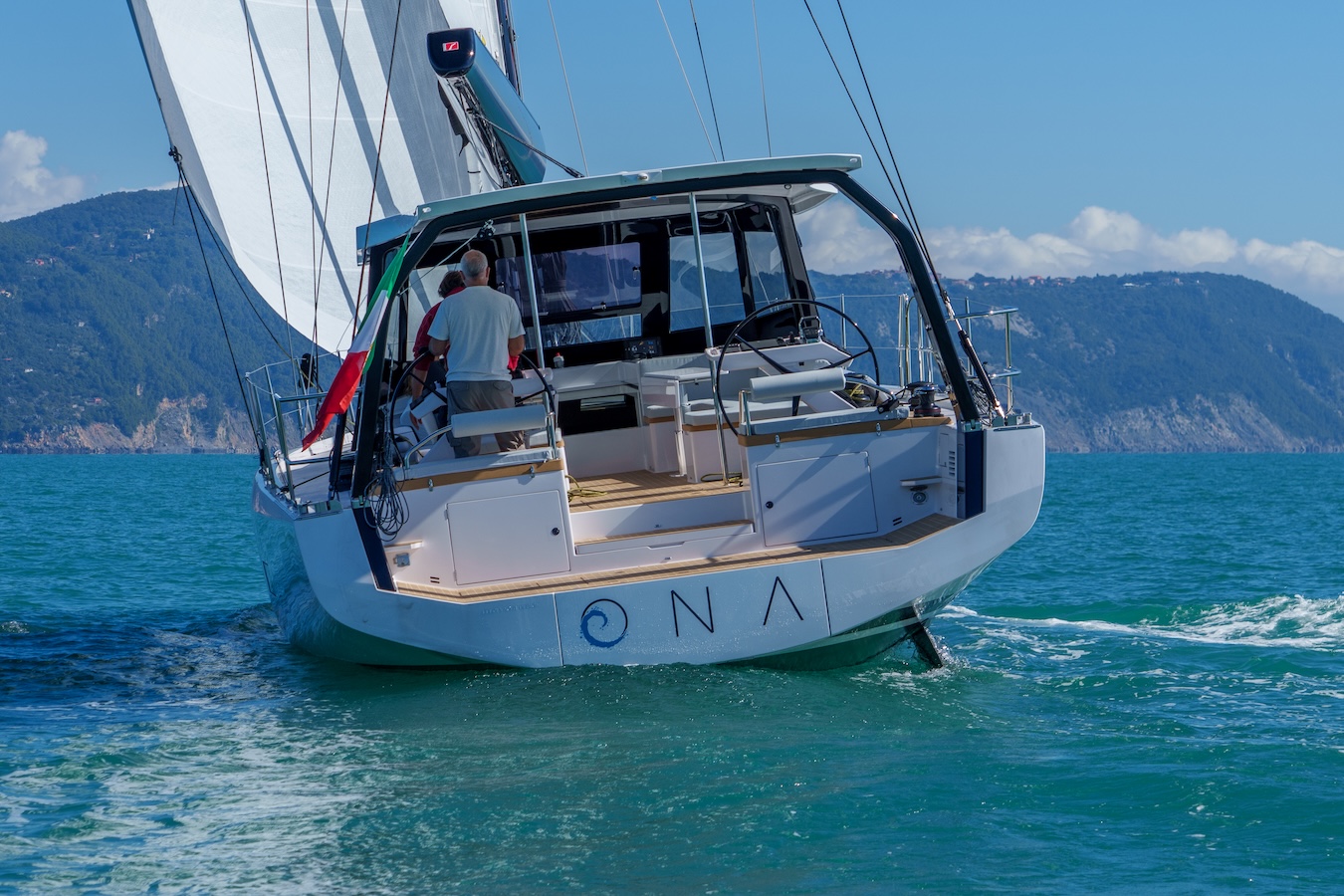
More than a simple sea trial, this was a true voyage: 80 miles overnight that allowed us to fully experience the explorer concept. The rigid dodger, a defining feature of this version, creates a protected and comfortable space even when conditions worsen. The red interior lights make night vision easier, and the sense of safety is total. Even when the swell builds—two-meter waves from the southwest—the boat holds her trim effortlessly.
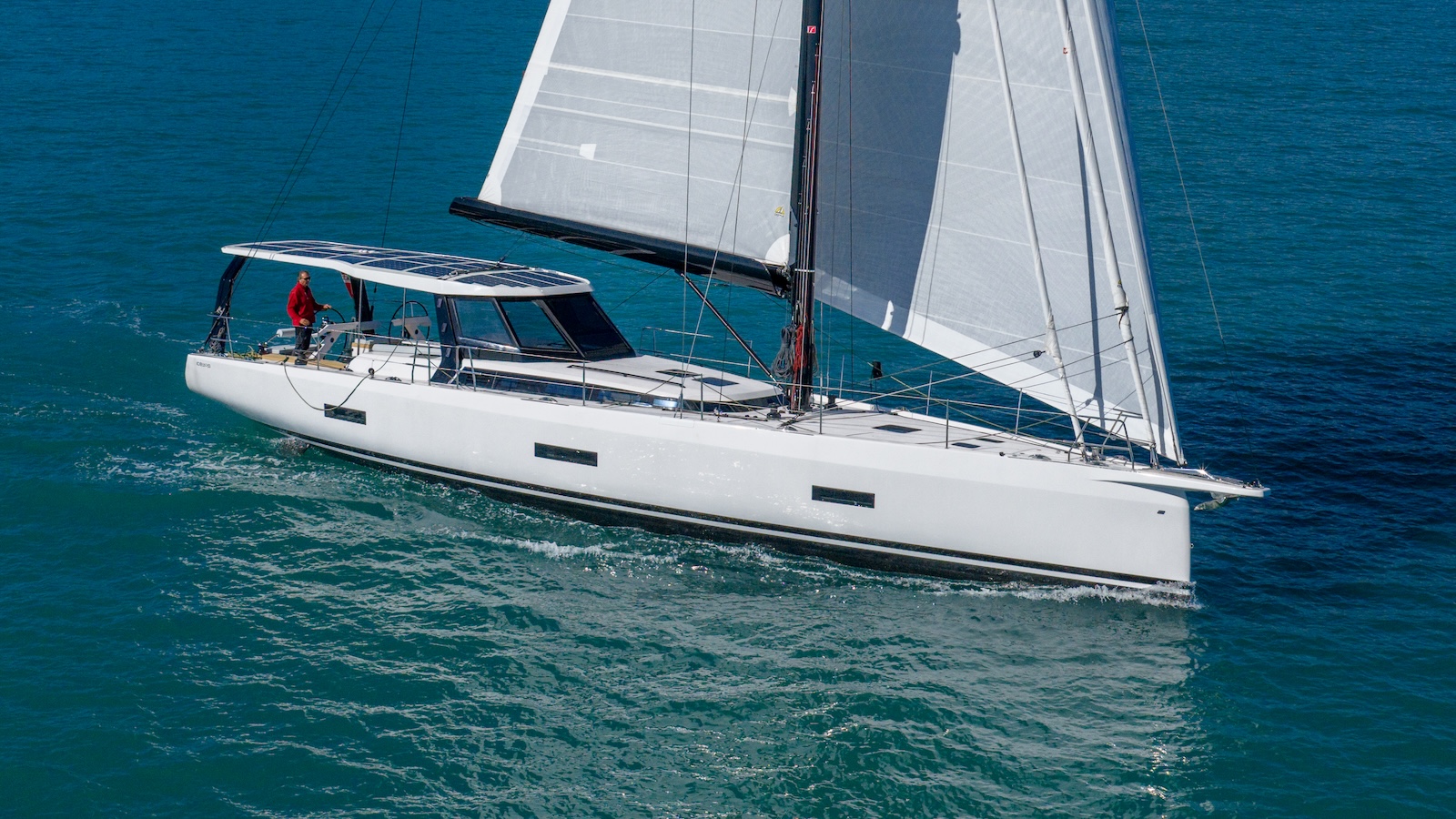
Under sail, the ICE 64 Explorer showcases all the shipyard’s expertise: the sail plan, with staysail, genoa, and Code 0, allows for easy handling in any condition, thanks to electric furlers and a deck layout designed for easy sailing. The balance of this yacht is exemplary, as is visibility from the helm, even when sailing downwind.
At dawn, after a full night of sailing with true wind between 8 and 10 knots and a residual swell of about a meter and a half, we arrive in Varazze. The average speed stayed steady between 7 and 8 knots, with higher peaks under the Code 0. It’s a performance that impresses not so much for the numbers, but for how effortlessly the boat maintains it even in challenging conditions, without ever conveying strain or tension.
Under power, the Yanmar 4JH 110 hp engine delivers a cruising speed of around 8 knots with low fuel consumption, but the real heart of the experience is sailing. Everything on board, from the helm to sail handling, is designed to be managed safely and easily even by a couple, with total control and confidence.
This ICE 64 Explorer is living proof that a world cruiser can deliver the same emotions as a racer, while offering the comfort and silence that only a true bluewater yacht can provide.
The ICE 64 Explorer in detail
The ICE 64 Explorer was born to sail far, without sacrificing the comfort and quality that have always distinguished the Salvirola-based shipyard. The composite hull, made with fiberglass and carbon fiber ensures lightness, rigidity, and strength, while the deck layout has been developed to provide maximum autonomy and safety, even on long ocean crossings.
The large rigid dodger—an unmistakable signature feature of this Explorer version—is more than just protection: it houses nearly 3 kW of solar panels, an integrated mainsheet traveler, and a rainwater collection system, all designed to minimize energy impact during long voyages. Above the dodger, an opening front window provides natural ventilation on hot days, while two top hatches make it easy to monitor sail trim.
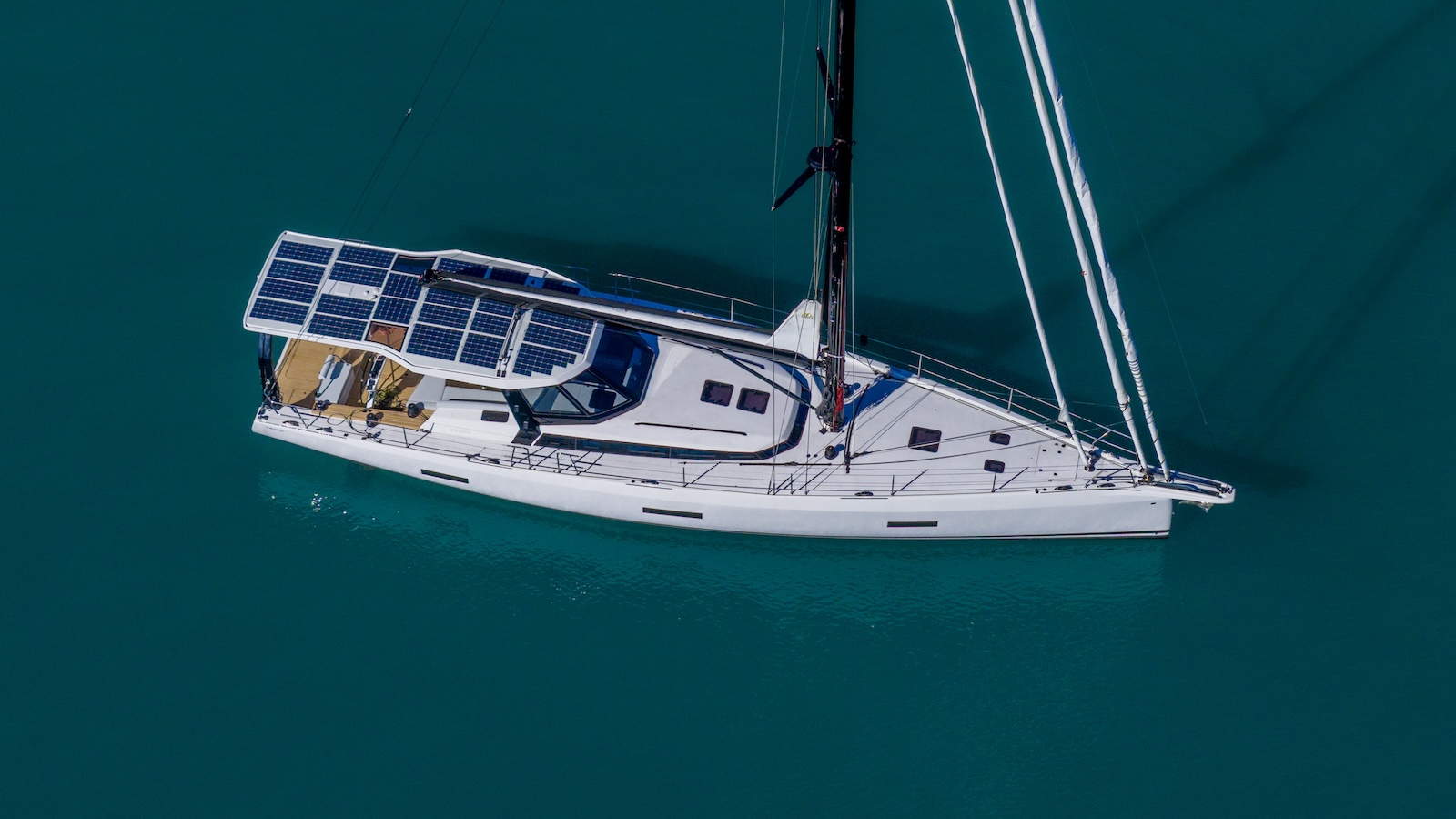
On deck, everything is designed to simplify life on board: electric winches, an aft-running deck layout, wide side decks, and a reinforced bow roller with a double anchor support. The staysail, genoa, and Code 0—each on furlers—make the boat suitable for all wind conditions and greatly reduce the need for manual handling.
At the bow, a dedicated compartment houses four diving tanks with an integrated compressor, while at the stern, an arched structure serves as a davit for tender handling. These details perfectly embody the shipyard’s philosophy: everything must be functional, yet elegant and seamlessly integrated into the overall design.
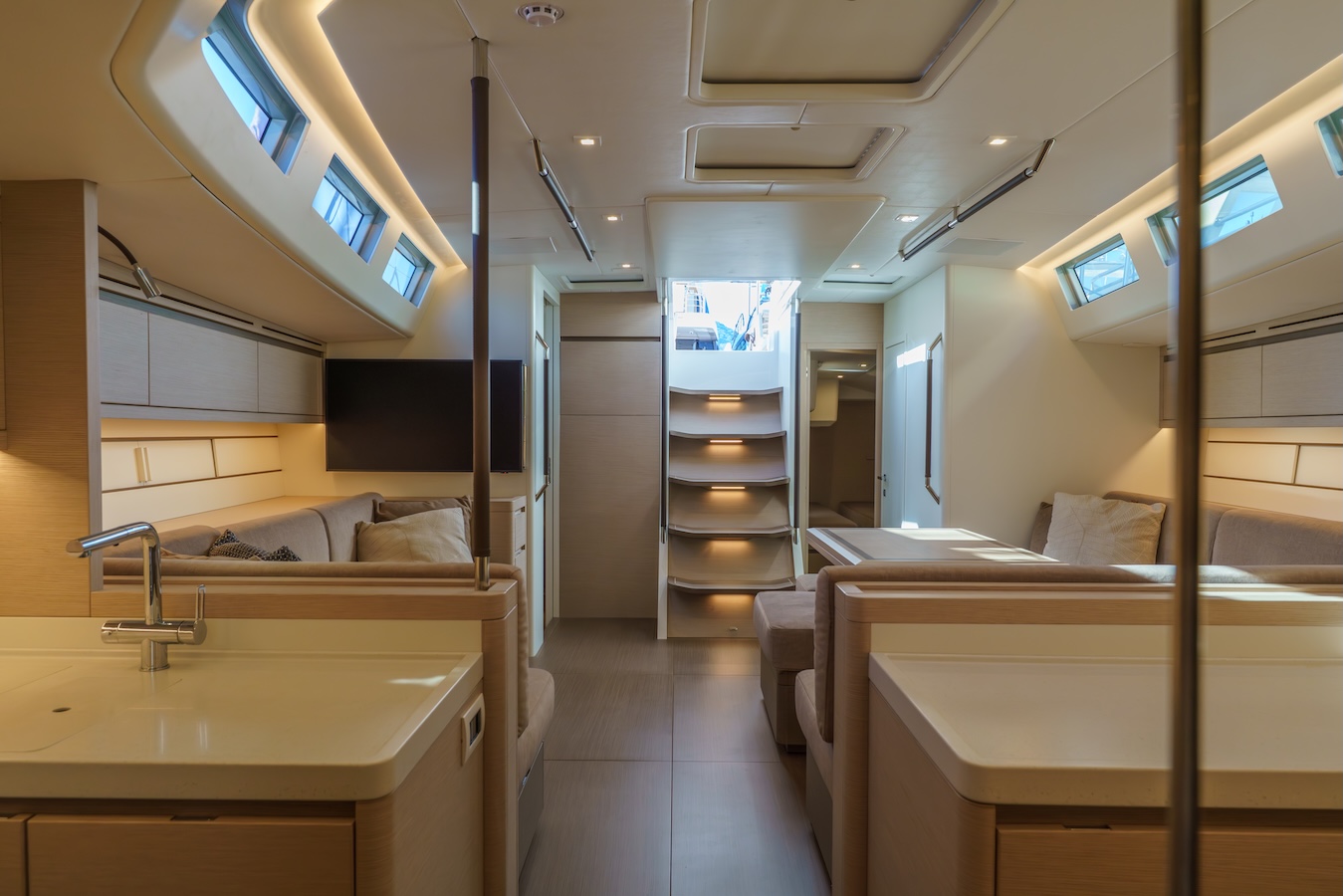
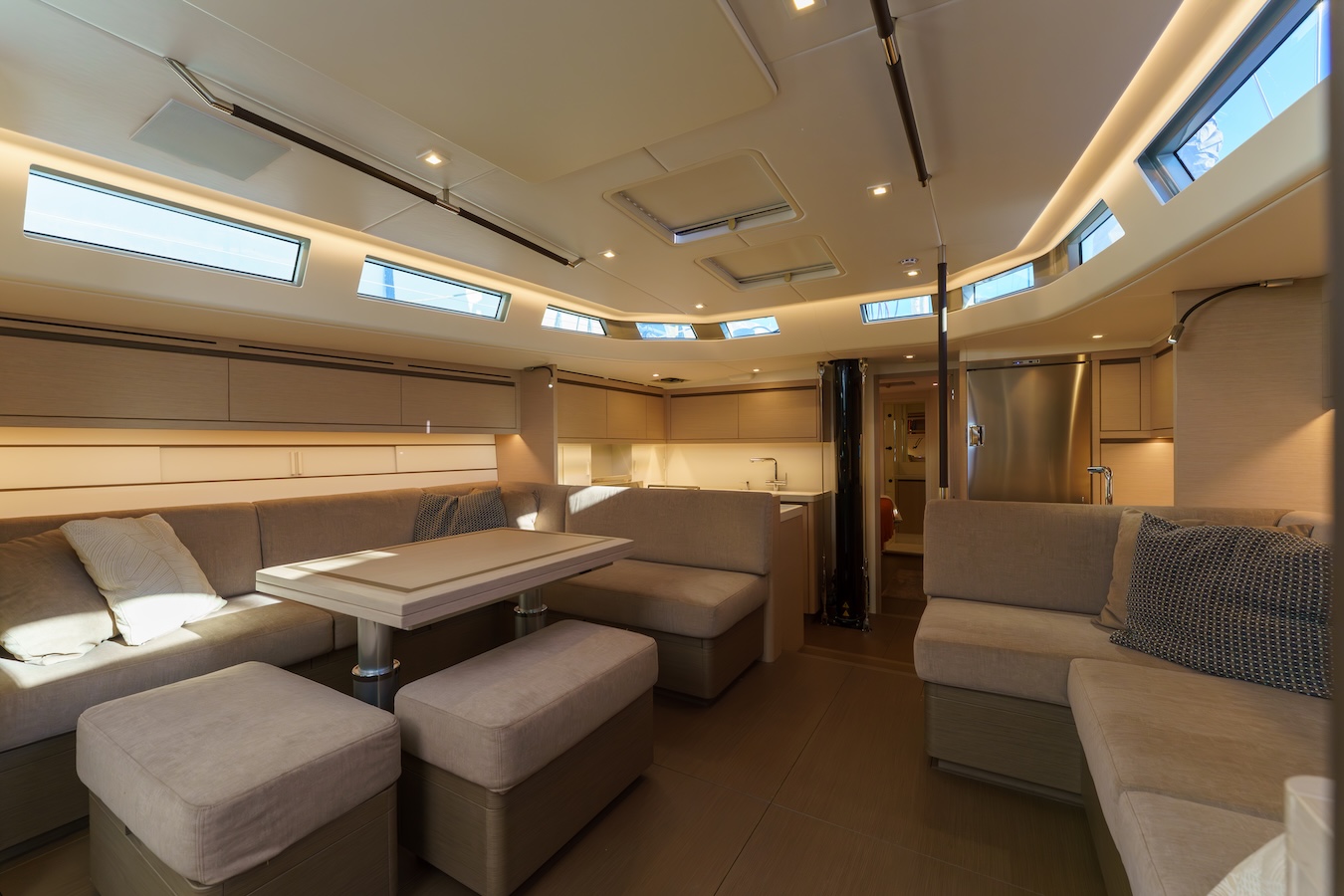
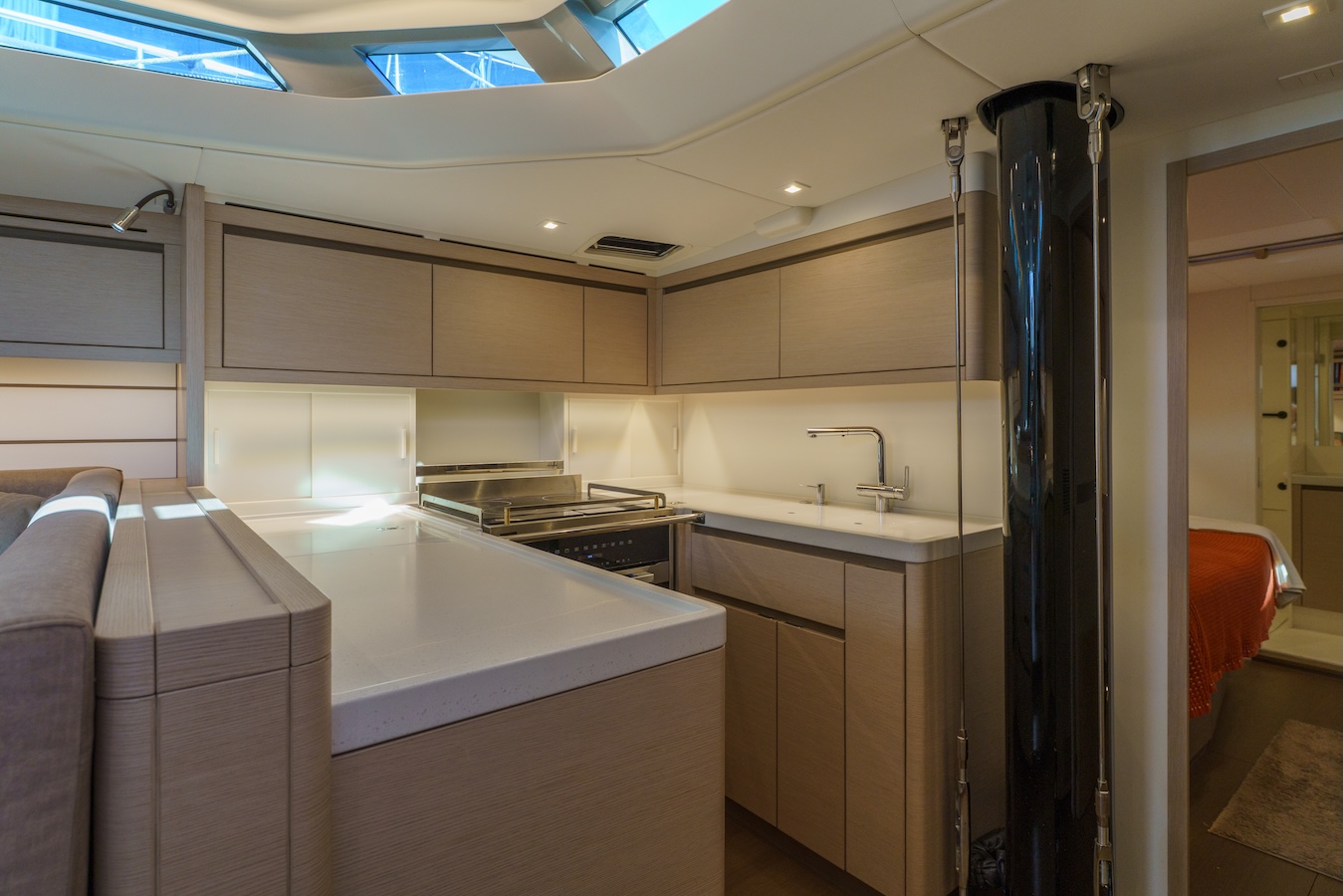
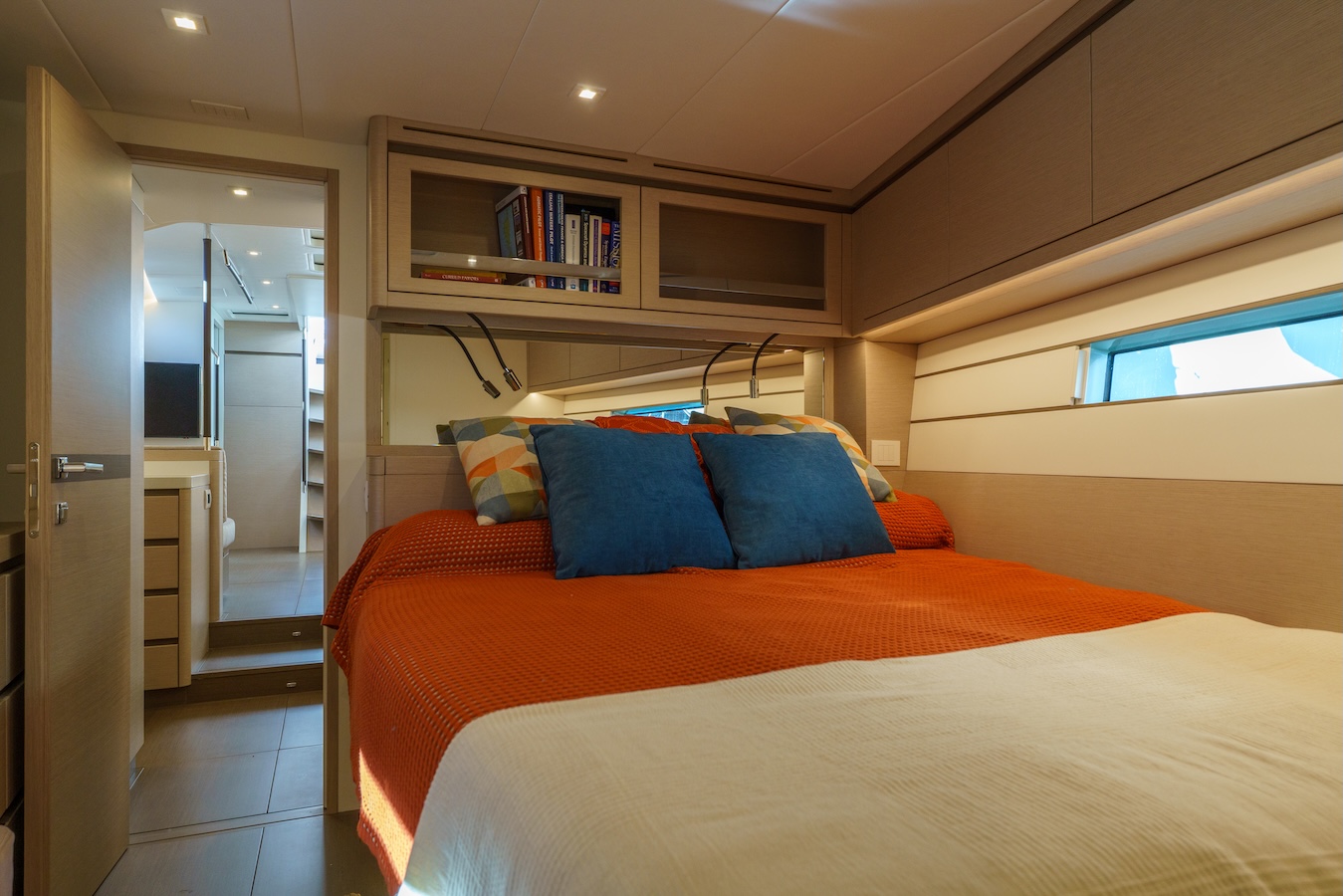
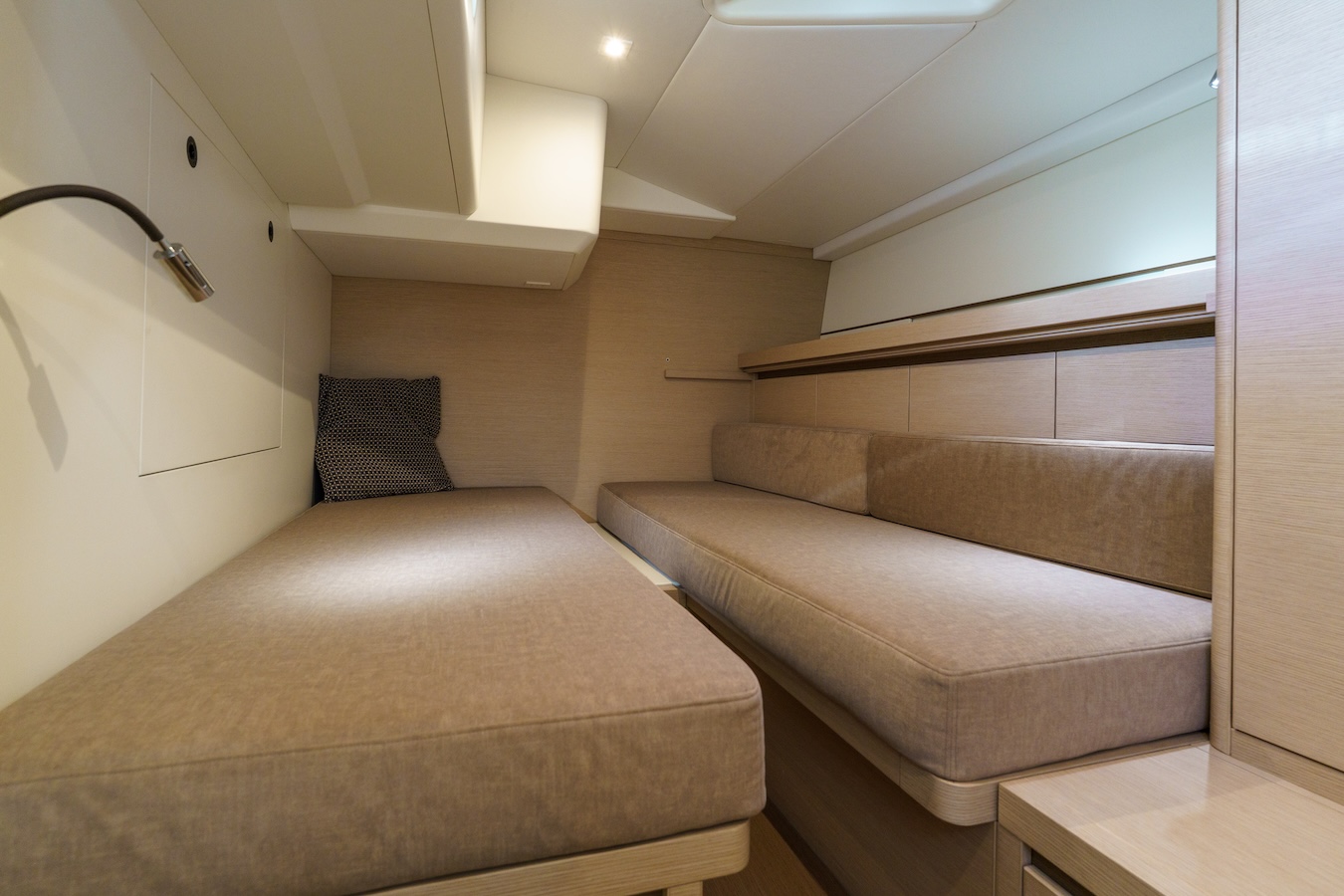
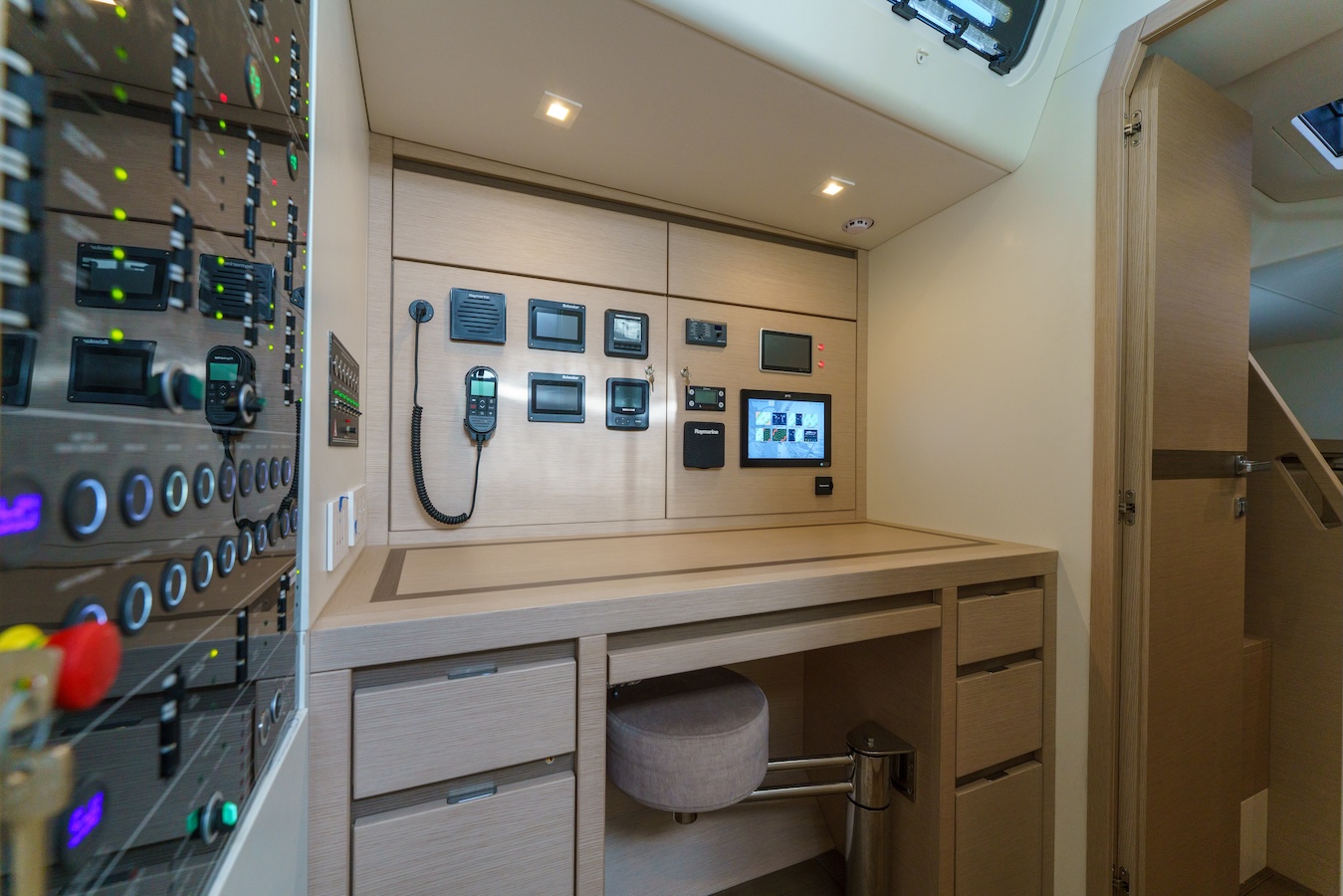
The interiors, designed as always by the ICE Yachts team and customizable in every detail, represent the essence of long-range comfort. The central dinette spans the full beam of the yacht, featuring two large opposing sofas and an extendable table that can seat up to ten people. The materials are high-quality: natural woods, soft leathers, and matte finishes that create a sense of warmth and harmony.
The post ICE 64 Explorer, the video test: elegance and performance for sailing around the world appeared first on Yachting News.
]]>The post Ice Yachts L6, the evolution of the sailboat: exclusive interview with Garroni and Malgara appeared first on Yachting News.
]]>The starting idea was very clear: “This new yacht fulfills what has been my dream since I started designing boats—to create a high-performance sailing yacht that could offer all the advantages of a motor yacht” explains Garroni. After all, the designer has been creating yachts for top-level shipyards for 35 years and is very familiar with motor yachts. Thanks to this versatility, Garroni managed to bring the comfort and layout of motor yachts to the Ice Yachts L6, finally realizing his long-held dream. The result is a successful balance that preserves the right proportions and remains faithful to the brand’s identity, known worldwide for building the most solid, fast, and finely crafted sailing yachts.
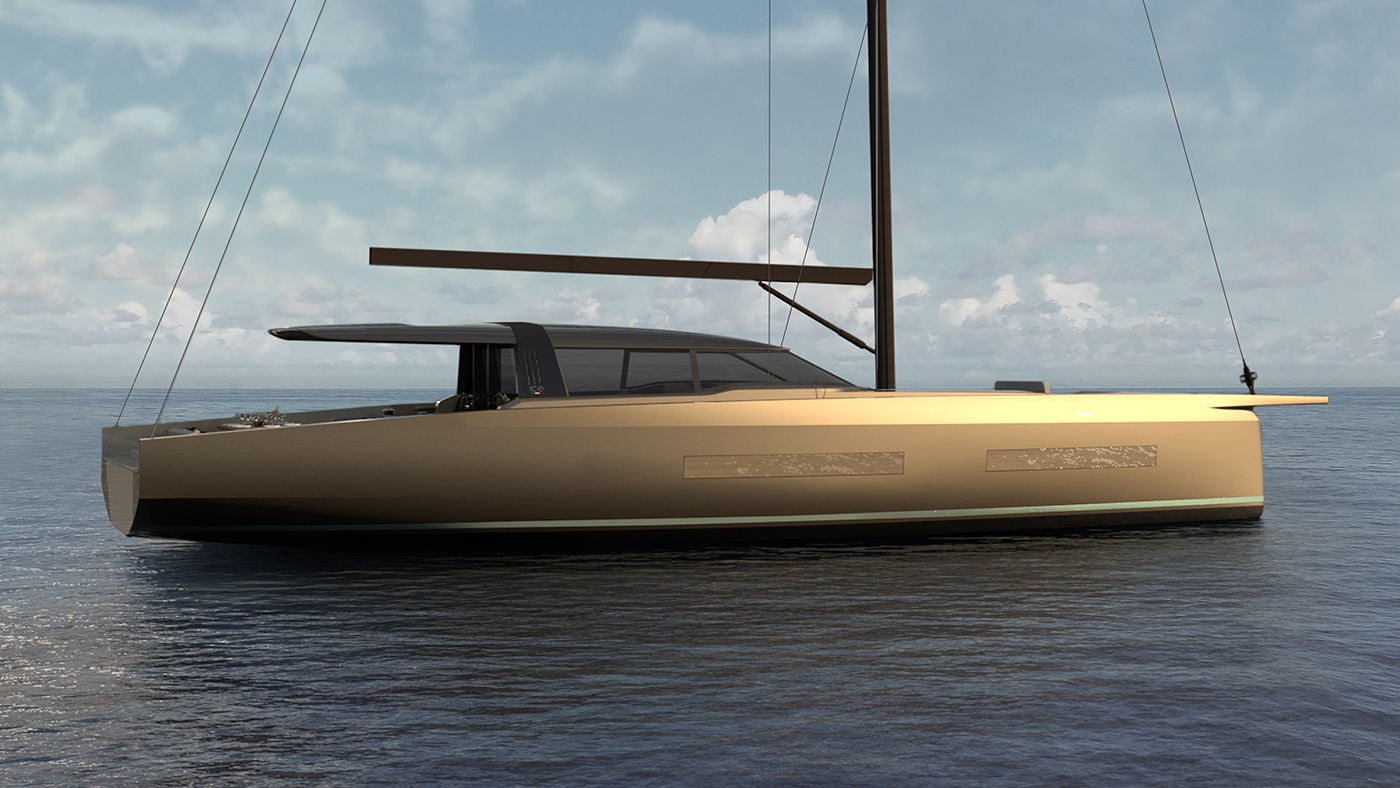
Marco Malgara confirms it too: “The idea was to bring the concept of open-air motor yachts closer to sailing, with plenty of outdoor space to spend time on board, combined with good sailing performance”.The result is a highly innovative project with optimized spaces and clever design updates—from the raised dinette area to an exceptionally comfortable and soundproofed night zone, reaching levels never seen before. It’s an inspired idea that’s sure to set a trend: “We’re witnessing an evolution in how sailing yachts are used, and this new Ice Yachts L6 concept is the ultimate expression of that”, says Malgara without hesitation.
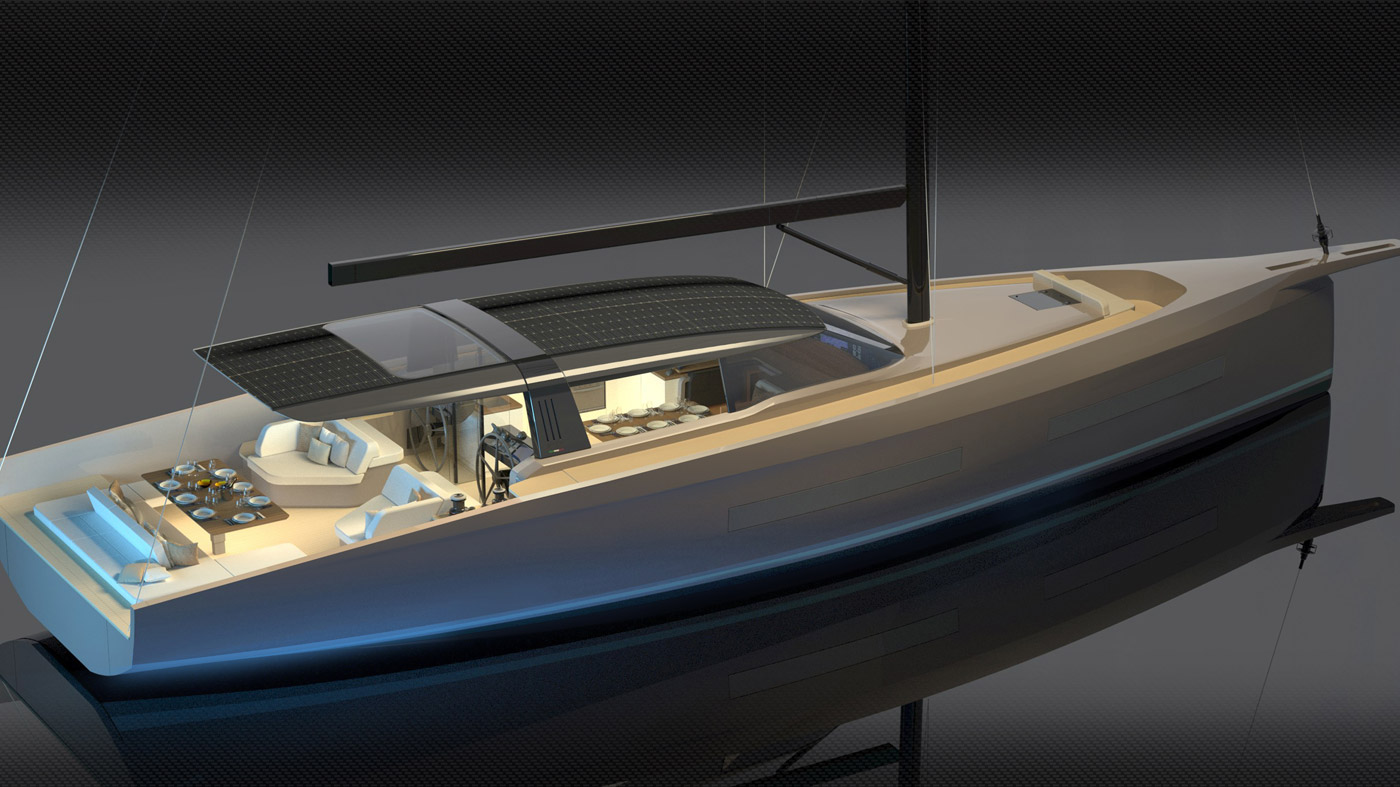
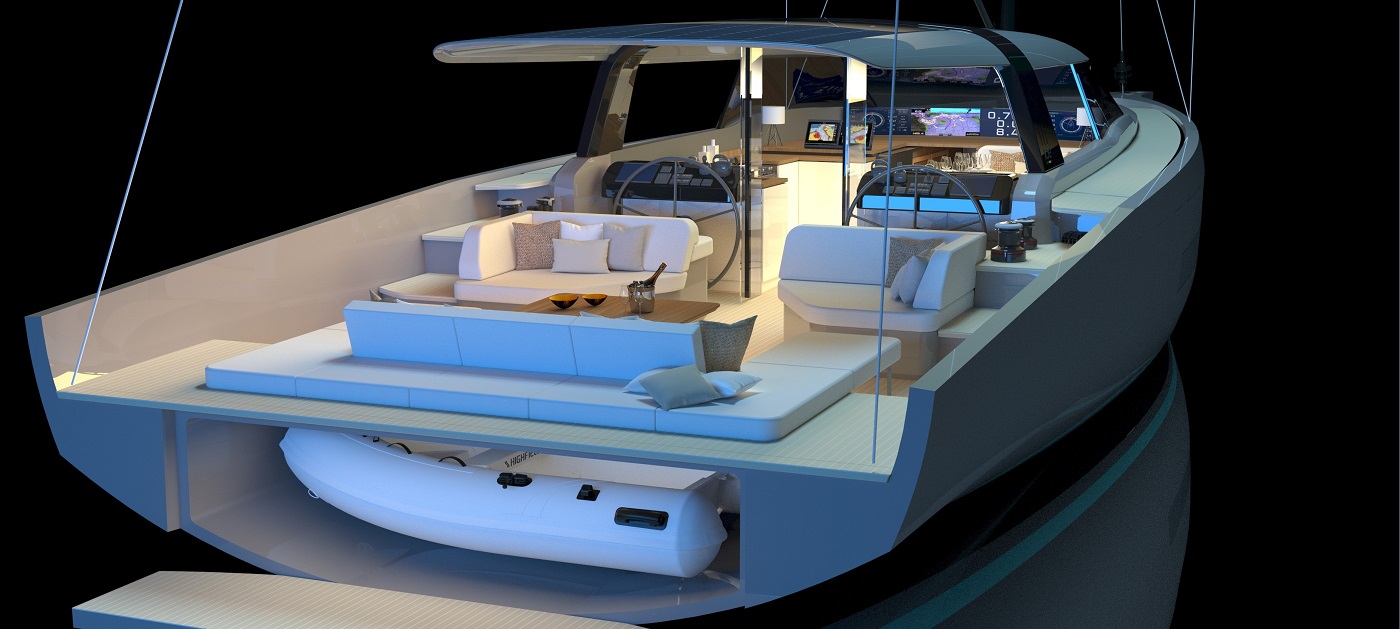
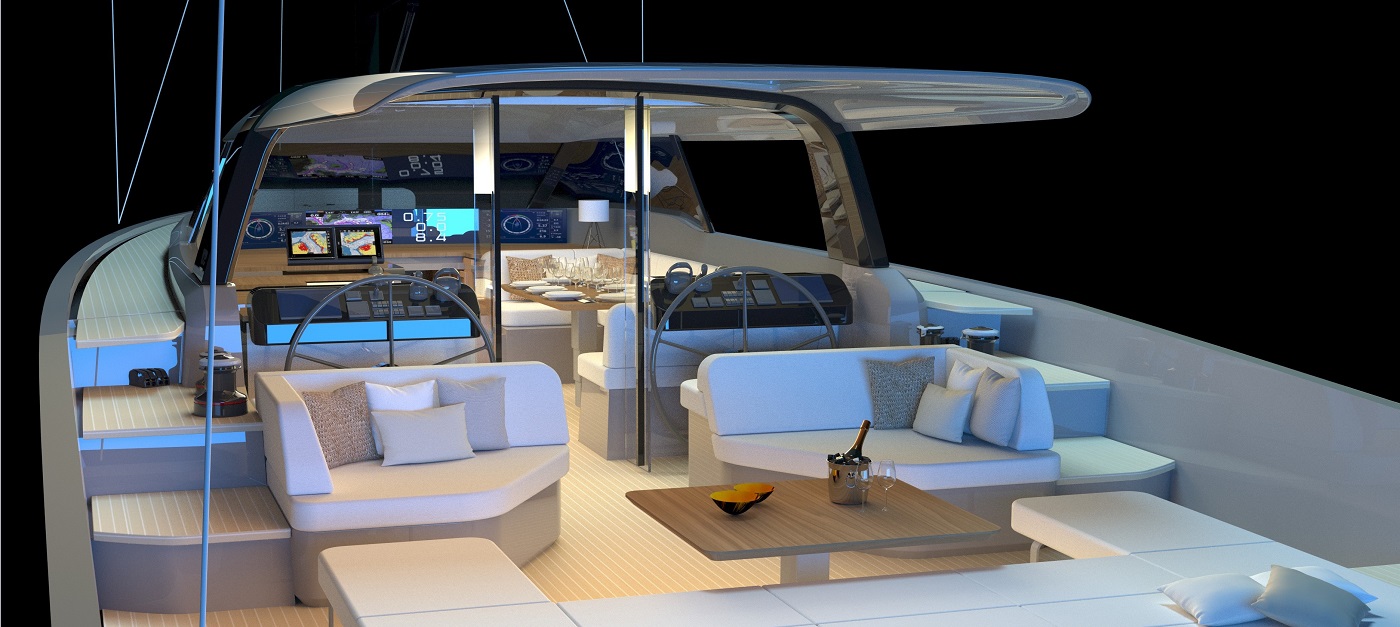
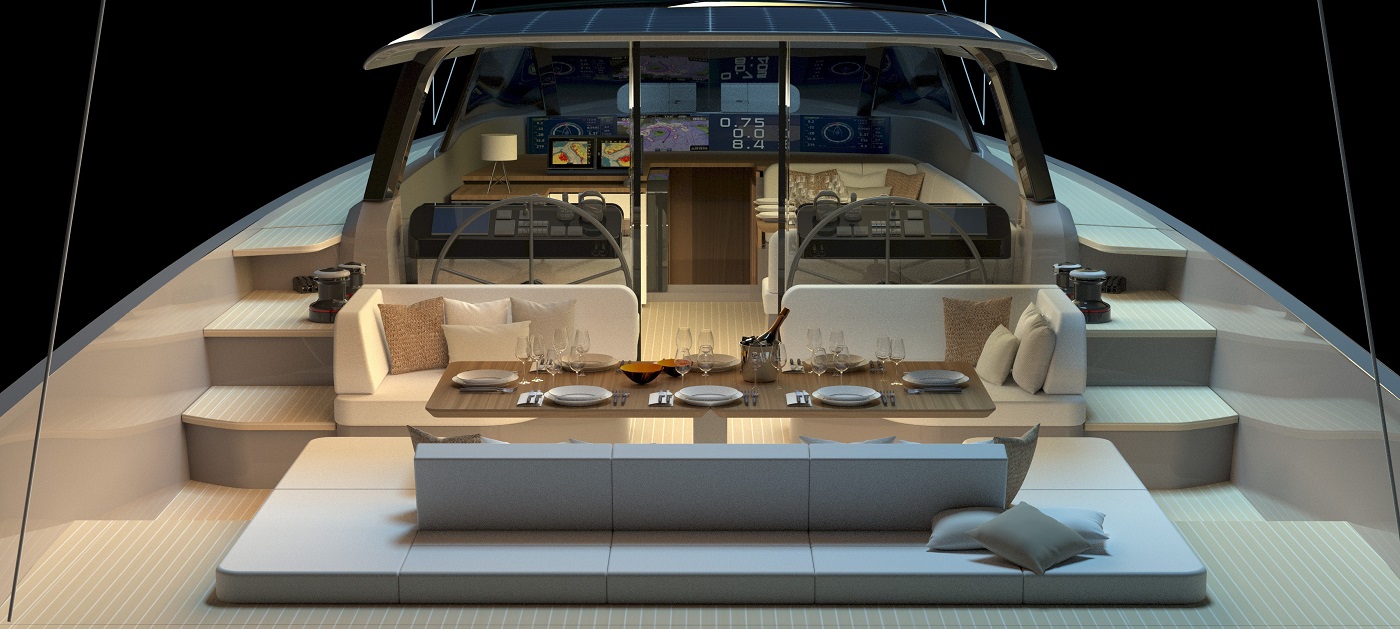
It’s worth taking a closer look at the revolutionary layout of the Ice Yachts L6. The night area is separated from the lower deck and no longer includes the traditional below-deck dinette found on most classic sailing yachts—an area that, in truth, is rarely used. The entire living space has been moved to the upper deck, enhancing comfort for both the owner and guests. The galley is now closer to the beach club and main deck, allowing whoever is cooking to remain part of the social atmosphere while preparing meals, without odors spreading below deck. Of course, the entire area can be enclosed and climate-controlled as needed: it’s essentially a multifunctional space that can be enjoyed both on sunny days and in bad weather.
Another feature that makes the Ice Yachts L6 truly unique is its ability to combine aesthetics and functionality without compromise. The exterior lines are sleek and modern, with an elegantly proportioned hull that immediately conveys speed and power, while maintaining a strong sense of balance and visual harmony. The large glazed surfaces flood the interior with natural light—remarkable for a sailing yacht of this size—creating a direct connection with the sea and giving guests the constant sensation of living outdoors. The spaces have been designed to be versatile, ensuring maximum livability while preserving privacy. Fine materials, premium finishes, and advanced soundproofing solutions complete this masterpiece.
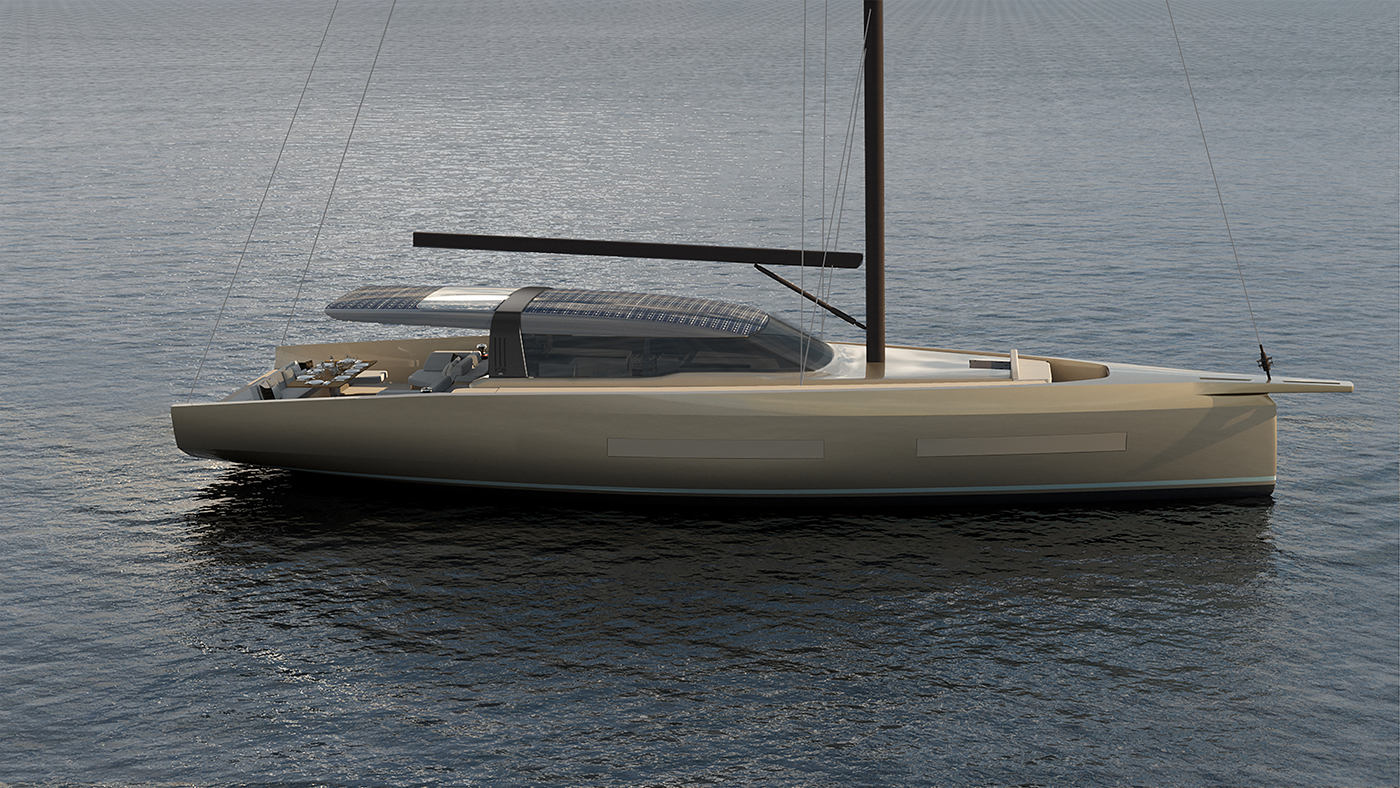
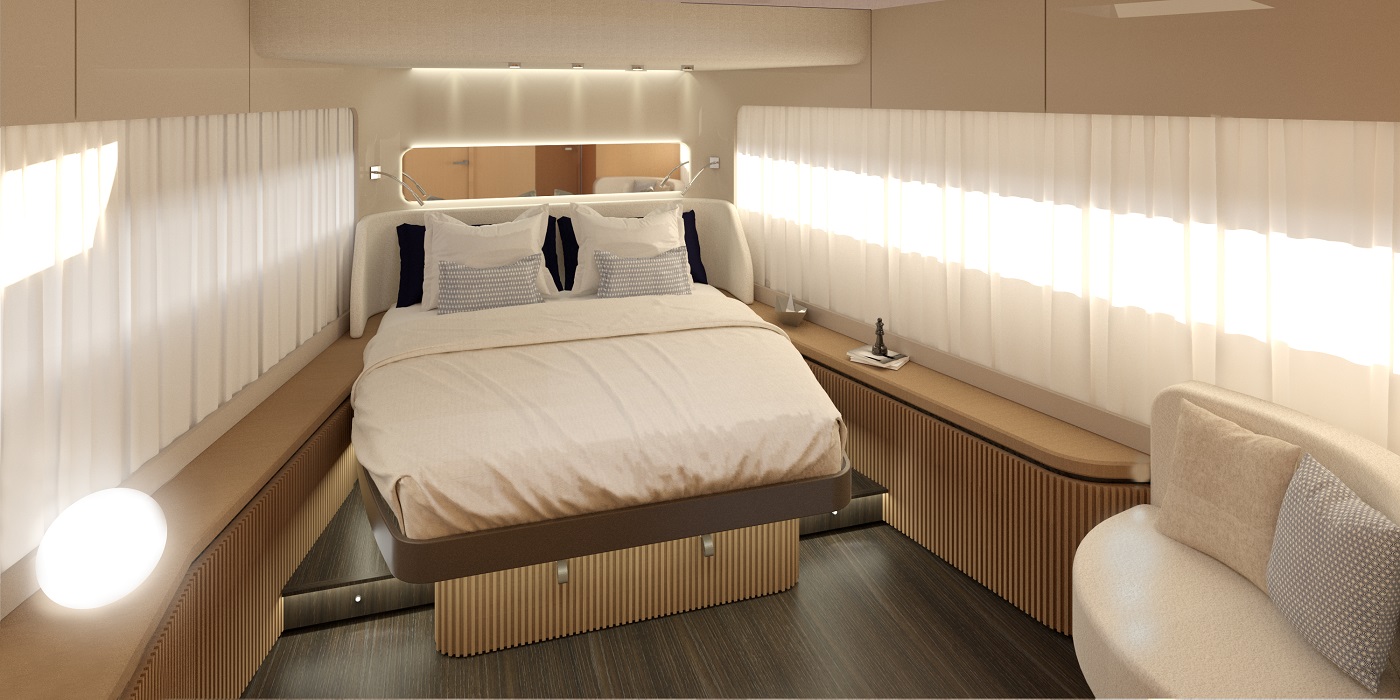
The Ice Yachts L6 also offers an excellent level of safety, thanks to its protected helm stations. Space on board is remarkably generous, with three cabins and three bathrooms—all featuring separate showers—making it ideal for long cruises with family or friends. The shipyard has even managed to include a tender garage and dedicated crew quarters. All of this has been achieved without sacrificing the exceptional speed that defines every Ice Yachts sailing model, thanks to its lightweight, aerodynamic hull.
In conclusion, the Ice Yachts L6 is a true masterpiece that will – we have no doubts – redefine the very concept of sailing yachts in the coming years, deeply influencing the competition. This first interview offers just a glimpse of what’s to come—many more details will follow in upcoming articles dedicated to this groundbreaking project.
The post Ice Yachts L6, the evolution of the sailboat: exclusive interview with Garroni and Malgara appeared first on Yachting News.
]]>The post Invictus ST550, the new icon by Christian Grande appeared first on Yachting News.
]]>Sea Trial
At the helm, the first impression is of a modern, ergonomic helm station, designed down to the smallest detail to offer total control. Visibility, both forward and to the sides, is practically unlimited, while throttles, joystick, and three large multifunction displays are laid out in a natural, intuitive way—and most importantly, exactly where they should be.
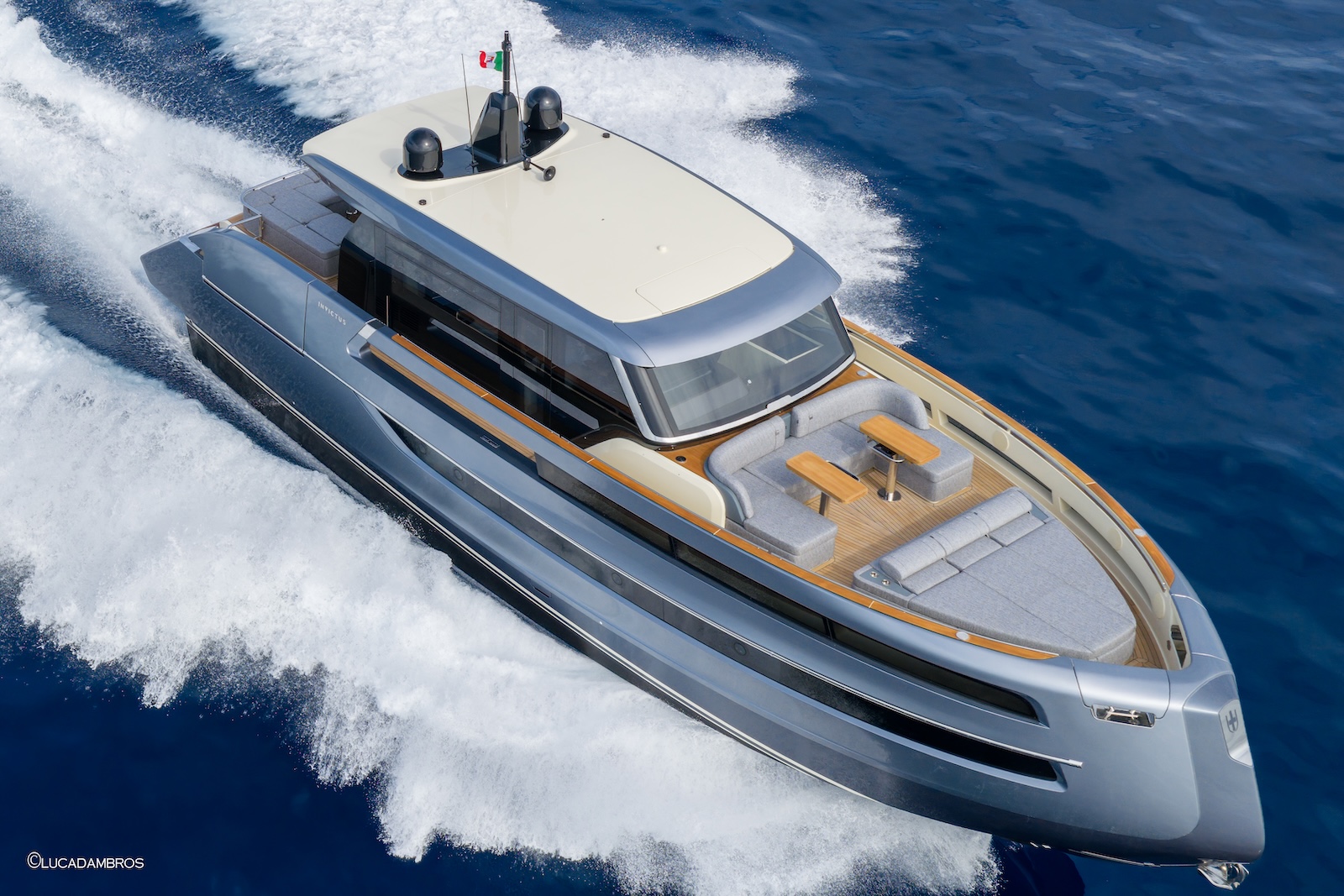
Powering this yacht are two Volvo Penta IPS 950 engines, delivering a total of 1,450 horsepower that translates into smooth, decisive acceleration, confirming the perfect match between hull and propulsion. The sea, stirred by a lingering long swell, is no challenge for the Invictus ST550’s hull, which, even when facing higher waves, never slams but instead conveys a strong sense of safety well above average. Planing comes effortlessly at just 13 knots, and cruising at 17–18 knots offers a surprising level of comfort, with both smoothness and stability. At 20 knots, the boat reveals its most balanced side, with low fuel consumption and an ideal pace for relaxed cruising. Push it to 25 knots, and you get a fast cruising speed, perfect for long passages, while with even more throttle, the boat stretches out elegantly over the water, reaching a top speed of 33.8 knots.
Turning performance deserves a chapter of its own. Despite its generous size—almost 17 meters in length—the boat handles tight turns at over 30 knots with surprising agility, while maintaining remarkable stability.
The balance of the Invictus ST550, between power and maneuverability, translates into a truly rewarding driving experience, satisfying both those in search of comfort and those craving a touch of thrill.
The exterior of the Invictus ST550
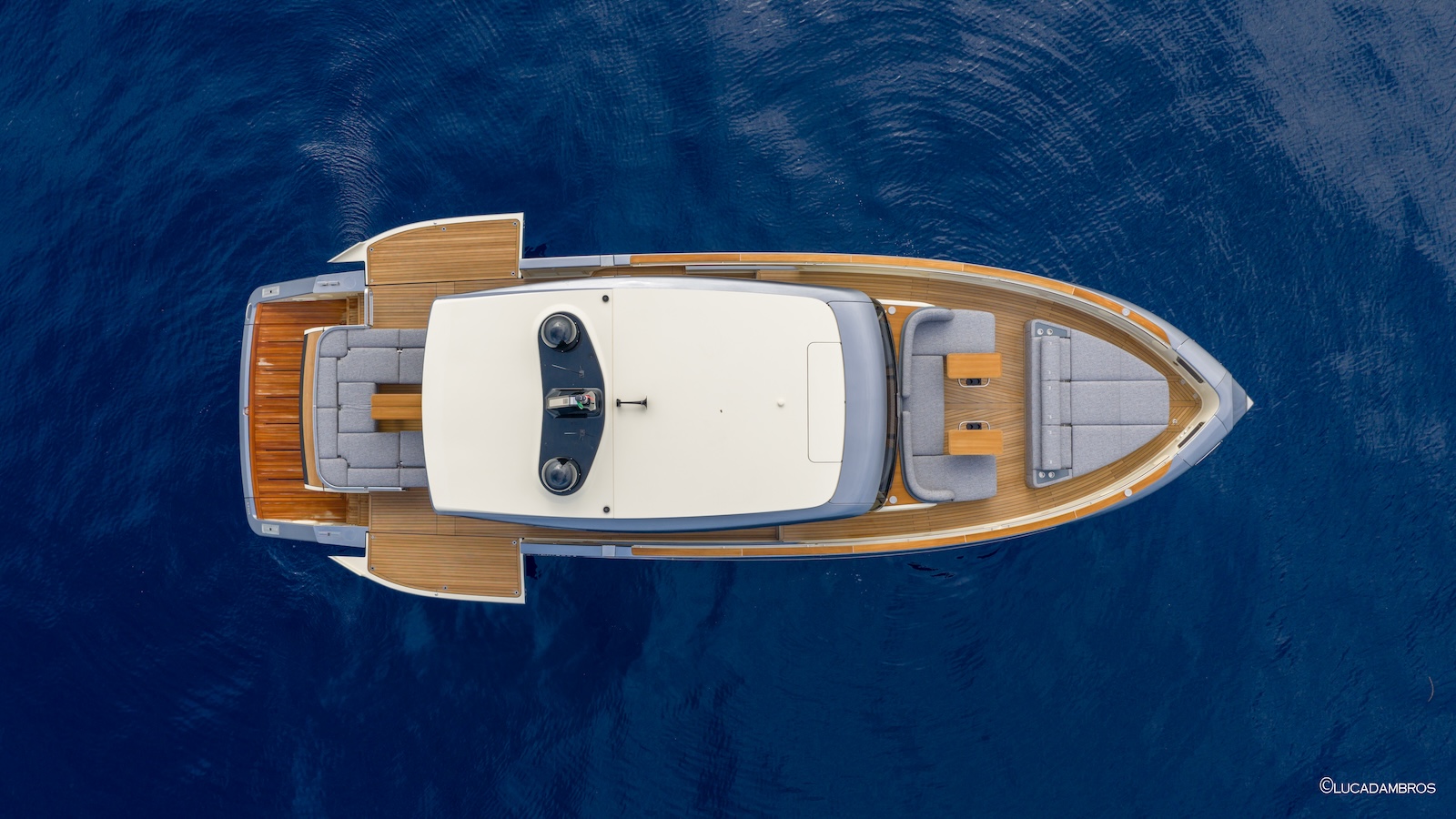
Back in port, the Invictus ST550 reveals its true superyacht soul, even though we’re talking about a boat of “only” 17 meters. The large aft dinette, with its U-shaped sofa and central table, is an open invitation to conviviality. Shaded by awnings supported by carbon poles, it turns into a genuine floating lounge—both elegant and practical. Adding to the wow effect are the drop-down side terraces, which expand the living space and give the feeling of being aboard a much larger yacht.
Moving further aft, the beach club impresses with a huge next-generation tender garage and a submersible platform. These are features usually found on larger yachts, but here they blend seamlessly, reinforcing the ST550’s status as something truly extraordinary. Details immediately catch the eye: the interplay of steel, wood, and fabrics is masterfully executed, resulting in an elegant, sophisticated atmosphere that unmistakably reflects Christian Grande’s touch, evident in every line and surface.
The foredeck, also designed in true superyacht style, is another strenght. It features a large C-shaped sofa with extendable tables, opposite a sunpad that can be transformed into an extra sofa. It’s a modular space, perfect for dinners, cocktails, or family relaxation. Wide side decks, tall bulwarks, and stainless-steel handrails ensure safe movement even in rough seas, confirming the shipyard’s focus on functionality as much as aesthetics.
The interior of the Invictus ST550
Below deck, the level of craftsmanship and finish remains exceptionally high. The atmosphere is both elegant and welcoming, thanks to a refined use of woods, fabrics, and leathers that play on contrasts between light and dark tones. The interior dinette features a spacious L-shaped sofa and a linear galley that impresses with both its size and equipment. The full-size refrigerator is a clear statement of the Invictus ST550’s vocation for long, uncompromised cruising. Large side windows, electrically operated, flood the space with natural light and fresh air, making the yacht perfectly livable even without air conditioning.
The Master Cabin is the true heart of the night area. A five-star suite, it features a central king-size bed, a writing desk, a retractable TV, and a bathroom that rivals those of the most exclusive residences. Marble dominates the surfaces, while the separate shower with integrated seating takes comfort to another level. The VIP Cabin, also with a double bed and refined furnishings, maintains equally high standards, while the third cabin, fitted with unusually wide Pullman beds, offers a versatile and welcoming space. Here too, the details stand out—such as the presence of a washer-dryer, a rare feature in this category.
Owners can choose from different layouts, with either two or three cabins and the same number of bathrooms, giving them the freedom to adapt the yacht to their own needs—always with the common denominator of luxury and artisanal attention to detail that define Invictus.
Invictus ST550 Test Data
RPM | Speed in knots | Consumption in gal/nm | Gal/h |
600 | 3.4 | 0.32 | 1.11 |
1000 | 8.8 | 0.96 | 8.45 |
1250 | 10.2 | 1.68 | 17.17 |
1500 | 11.8 | 2.48 | 29.32 |
1750 | 17 | 2.28 | 38.83 |
2000 | 22.7 | 2.19 | 49.66 |
2250 | 27.9 | 2.1 | 58.64 |
2500 | 33.6 | 2.32 | 75.02 |
2580 | 34.3 | 2.29 | 78.72 |
Technical Specs
LOA | 16.87 m |
Max Beam | 5.04 m |
Full Load Displacement | 25 t |
Passengers Capacity | 14 |
Engines | 2 x Volvo Penta IPS 800 |
| 2 x Volvo Penta IPS 950 |
|
|
Shipyard | Cantieri Aschenez |
Design | Christian Grande |
The post Invictus ST550, the new icon by Christian Grande appeared first on Yachting News.
]]>The post Aquila 50 Sail, world debut of the shipyard in the sailing world at the Cannes Yachting Festival appeared first on Yachting News.
]]>Aquila Yachts, today the world leader in the production of power catamarans, unveiled its long-awaited first sailing model, the Aquila 50 Sail, at the Cannes Yachting Festival. This marks a historic step for the brand, bringing into sailing the industrial strength and expertise it has gained in the powercat sector. “Many people wonder why a powercat brand would step into sailing – explained Nick Harvey, Chief Revenue Officer of Aquila International – The answer is simple: the sailing catamaran market is much larger, and we have the technical and industrial foundation to deliver a credible and competitive product”.
After the debut of the 50 Sail, Aquila already has plans to expand its sailing range with the Aquila 44ES and Aquila 63ES, which will be unveiled at upcoming boat shows. Two complementary options: on one side, a compact and versatile cruising catamaran, and on the other, a flagship model that combines luxury, space, and autonomy for long ocean passages.
A team born from sailing
The project brings the signature of a group with deep sailing roots. Leading the way is Lex Raas, Executive Director of Aquila and a key figure in the modern history of catamarans, joined by his sons: Jean Raas, CEO of Aquila USA and former Olympic windsurfing athlete, and Alain Raas, Global Brand Director with racing and ocean crossing experience.
The design was overseen by Jure Žule, Aquila’s Chief Designer and creator of projects such as Shipman and the Swan Club 50, while the architectural work was issued from a collaboration with J&J Design, a long-standing partner of the shipyard. “We wanted to merge our sailing roots with the strength of a group that is now a leader in powercats – said Alain Raas – It’s a combination that allows us to speak the same language as owners, whether private or charter”. Equally crucial was the support of Frank Xiong, CEO of Sino Eagle Group and the driving force behind the brand’s industrial development, and Gareth Wood, Global Service Manager, who contributed his expertise in creating sophisticated and functional spaces.
Aquila 50 Sail: Architecture and Design
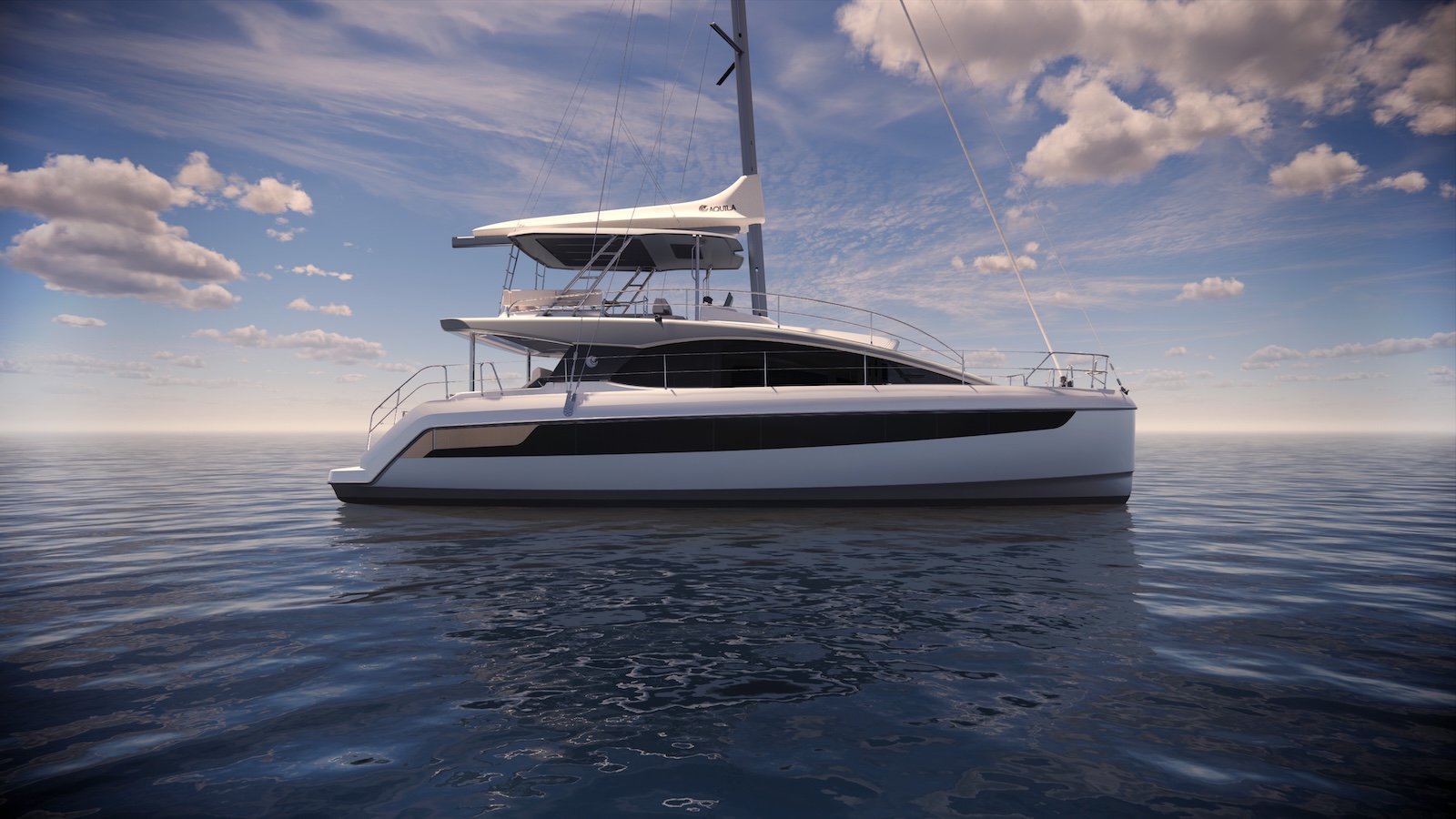
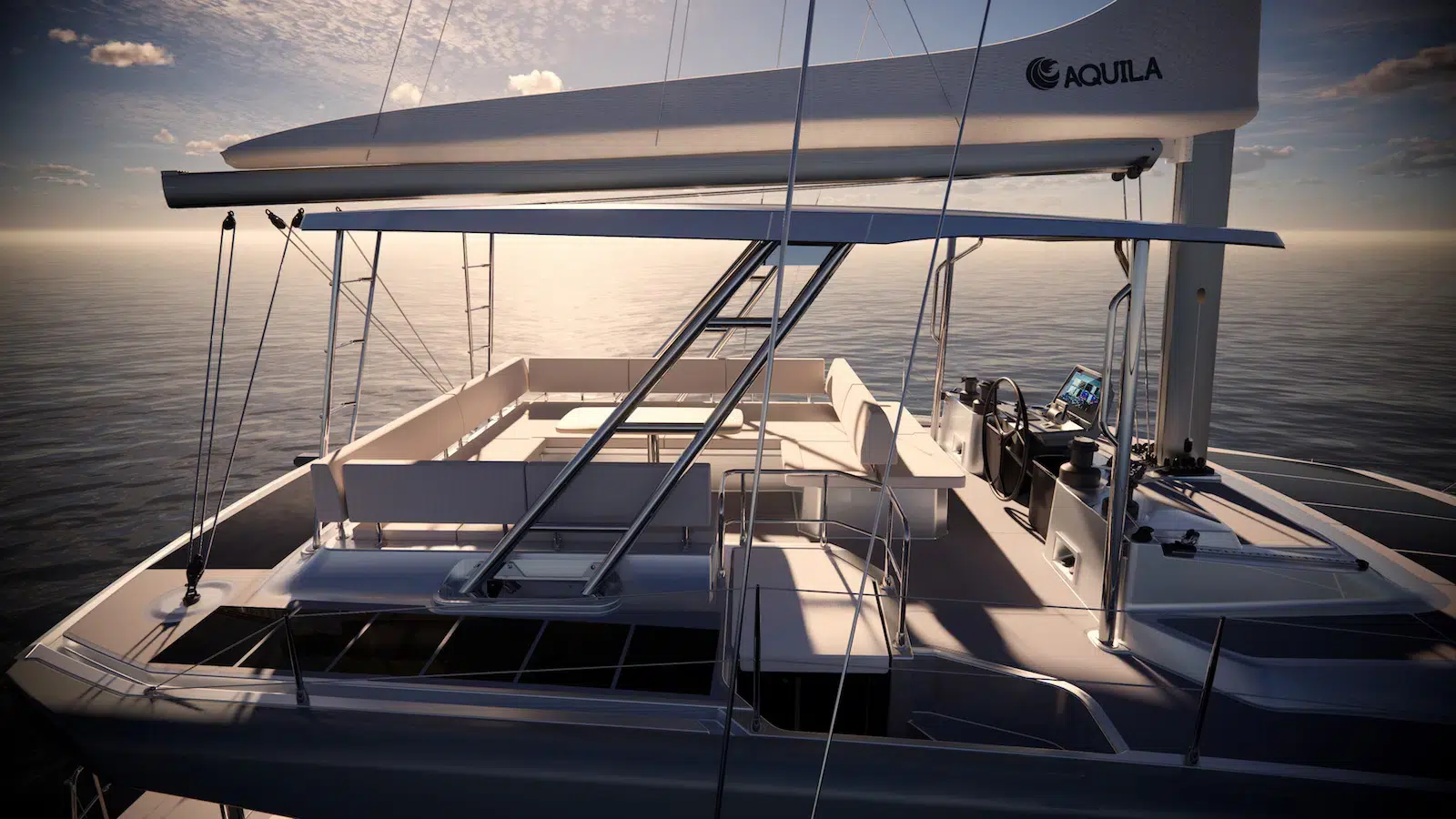
One of the most distinctive choices is the bow: the Aquila 50 Sail does away with the traditional trampoline in favor of an enclosed foredeck. “For us it was natural – explained Jean Raas – We have extensive experience with enclosed decks on powercats and wanted to bring that same strength to sailing. The result is a bow that turns into a real social area, safe and comfortable, with seating and sunpads offered in a way no one else does”.
The Aquila family feeling is instantly recognizable: sleek lines, a streamlined superstructure, and a glazed coachroof with gull wing windows that flood the interiors with light and height. “We wanted a boat that could be recognized from two miles away – added Alain Raas – When someone sees the new Aquila, they should immediately say: yes, that’s her”.
Layout: privacy and modularity
 The interior stands out for its modularity and six independent cabin entrances, eliminating corridors and maximizing living space. Layout options range from four to six cabins, all with en suite bathrooms. The forward cabins can be set up for the crew, complete with bed and bathroom, or converted into technical or storage areas.
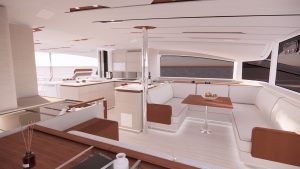 The dinette reflects Aquila’s DNA, featuring a bar that connects inside and out, a full-size refrigerator, a forward door leading to the front cockpit, and a dedicated nav- station.
The “secret move”: from 6 to 5 cabins
One of the most popular innovations is the option to easily convert the layout from six to five cabins, thus creating a true owner’s suite. “This is not a compromise – Harvey explained – We engineered the project to make this conversion simple and non-intrusive. With just a few moves, the owner can have a suite with dual access, a laundry area, and generous storage, completely transforming the feel of the boat”.
Aquila 50 Sail: Navigation and Performance
With a length of 14.97 meters, a beam of 7.86 meters and a displacement of about 19 tons, the Aquila 50 positions itself right in the heart of the cruising catamaran market. The sail plan is designed to deliver top-tier performance without going to extremes. “We’re not looking to build a racing catamaran – noted Jean Raas – Our goal is fast, safe, and comfortable cruising. That’s why we didn’t include daggerboards: we aim at a competitive product suited for families and fleets”.
Propulsion: hybrid or diesel
The range is offered with two distinct packages. The first units feature Torqeedo hybrid-electric propulsion, with two 50 kW motors and an integrated battery and generator system. “This isn’t some niche option – Harvey emphasized – Hybrid is an integral part of the project and will be available from the very first hulls. It’s the direction the market is heading, and we want to lead the way”.
Alongside the hybrid version, there is also a traditional configuration with two 50 hp Nanni diesel saildrives, designed mainly with charter operators in mind.
Construction: Technology and Strength
The Aquila 50 Sail is built at Sino Eagle Group’s catamaran-dedicated facility, created specifically for this purpose. Hulls are infused in climate-controlled environments, complex parts are crafted with five-axis CNC machines, and components such as stainless steel fittings and upholstery are produced in-house.
“We don’t use plywood in structural areas – explained Jean Raas – Our bulkheads and grids are composite-laminated, with unidirectional reinforcements and sacrificial keels. It’s the same philosophy that allows us to build powercats capable of running at 70 knots without structural failure. We’ve brought that same strength into our sailcats”.
Scheda tecnica – Aquila 50 Sail
| Metric | Imperial | |
|---|---|---|
| Length | 14.97 m | 49′ 4″ |
| Beam | 7.86 m | 25′ 10″ |
| Draft | 1.45 m | 4′ 8″ |
| Light displacement | 19,000 kg | 41,900 lbs |
| Square top mainsail area | 92 sq m | 990 sq ft |
| Jib / Genoa area | 66 sq m | 710 sq ft |
| Code 0 / Gennaker area (optional) | 116 sq m | 1,249 sq ft |
| Sleeps (up to) | 14 | |
| Max passengers | 24 | |
| Cabins / heads | 4 / 5 / 6 | |
| Fuel tank (total) | 900 L | 238 gal |
| Water tank (total) | 900 L | 238 gal |
| Holding tank (total) | 250 L | 66 gal |
| CE Certification A (Ocean) | 12 | |
| CE Certification B (Offshore) | 14 | |
| CE Certification C (Coastal) | 20 | |
| CE Certification D (Inland) | 30 | |
| Standard Propulsion (Electric Sail Version) | 2 × Torqeedo Deep Blue i Motors / 50 kW with single 80 kW propulsion battery | |
| Standard Propulsion (Diesel Sail Version) | 2 × Nanni N4.50 (50 hp) with ZF SD12 sail drives | |
Aquila 50 Sail, the new “natural choice” in the 48/52-foot segment
Priced similarly to a 48–49 footer but offering the space and features typical of a 52, the Aquila 50 Sail positions itself as “the natural choice” in the most competitive segment of the market. The combination of an enclosed forward deck, independent cabin access, charter-to-owner conversion, and solutions derived from powercats makes the new model a strong contender.
“We offer more space and more options at a competitive price – Harvey concluded – And of course, with the strength of a brand that knows how to build sturdy and innovative multihulls”.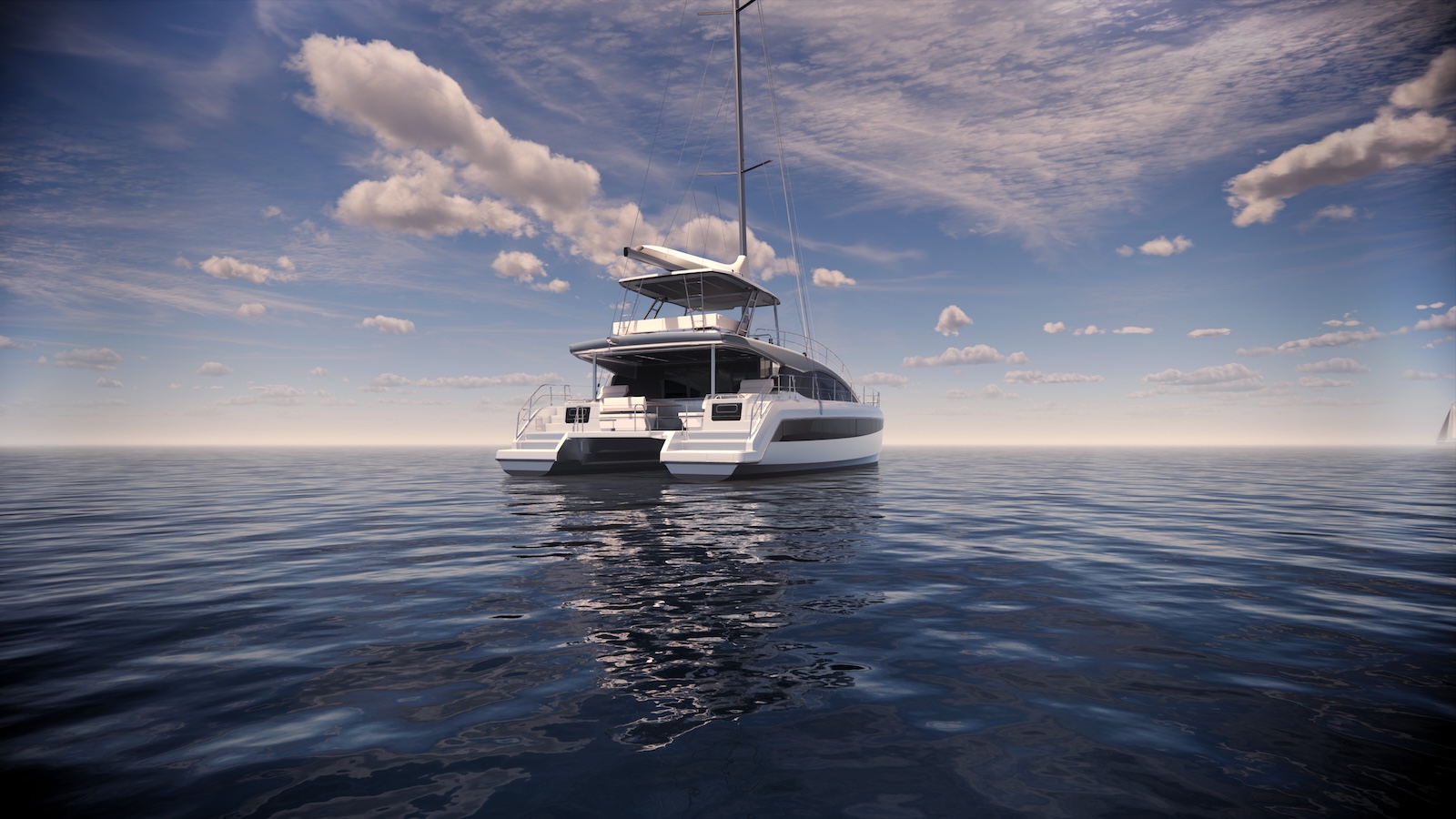
Aquila 44ES and Aquila 63ES
The new Aquila 44ES marks the shipyard’s entry into the mid-size sailing catamaran segment, blending contemporary lines with practical solutions for cruising. Standout features include the fixed forward cockpit, the panoramic salon with large windows, and independent cabins with private bathrooms. Designed to provide comfort and conviviality on board, the 44ES also offers the option of the Hybrid Ocean Drive propulsion system for quiet and efficient maneuvering.
The Aquila 63ES combines luxury, space, and innovation. With elegant lines and a design focused on long ocean passages (CE Category A certification), it offers generous indoor and outdoor living spaces, cabins with private entrances, and premium amenities for life at sea. The hybrid system option and construction to the highest structural standards ensure safe, eco-friendly performance.
The post Aquila 50 Sail, world debut of the shipyard in the sailing world at the Cannes Yachting Festival appeared first on Yachting News.
]]>The post Supernano, sea trial of the pocket-sized water toy that won’t go unnoticed appeared first on Yachting News.
]]>Supernano in detail
Supernano is built by Superboats, a shipyard that, although based in the United States, carries out its production entirely in Europe—in this case, in Malta. Superboats is an American company but has an Italian heart, being owned by the renowned Rodriguez family, one of the oldest names in the history of the Italian boating industry.
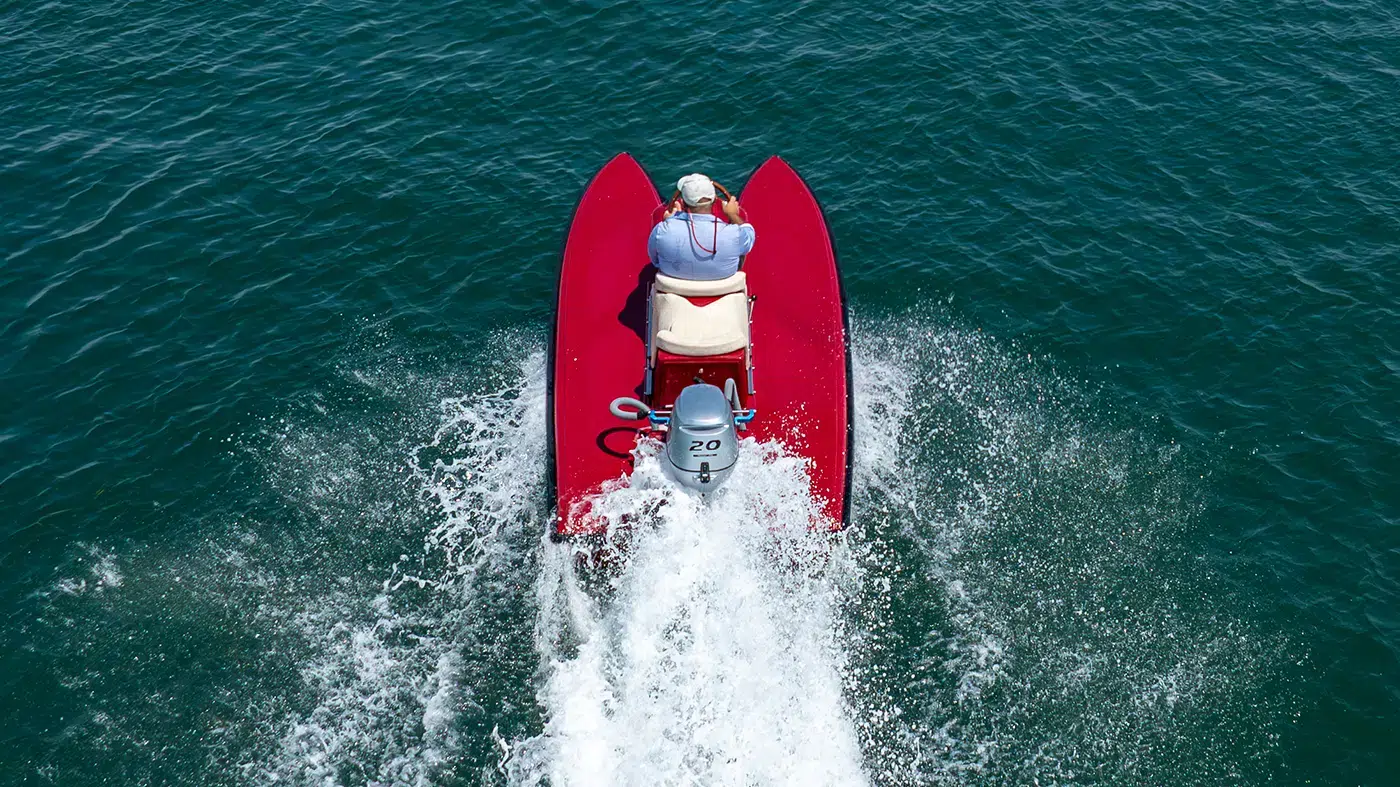
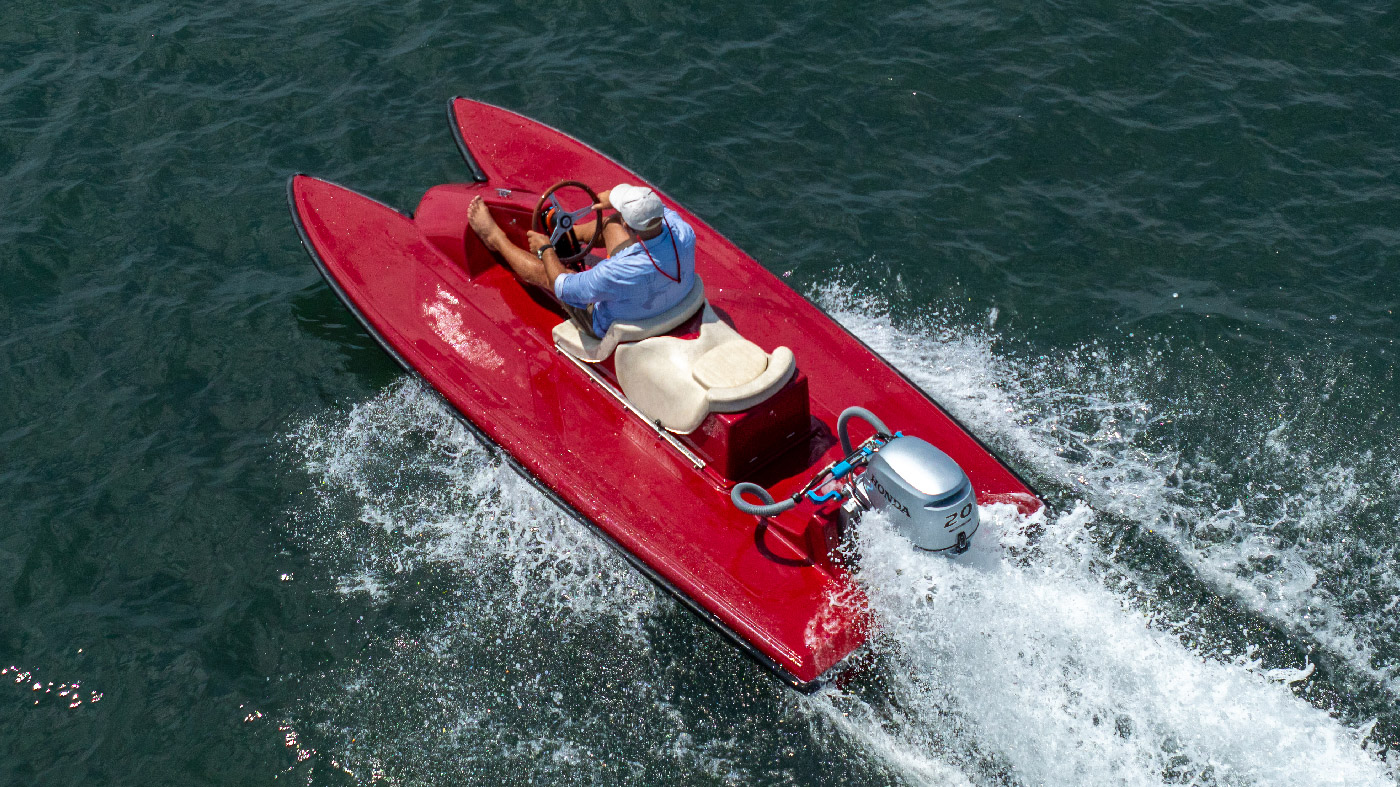
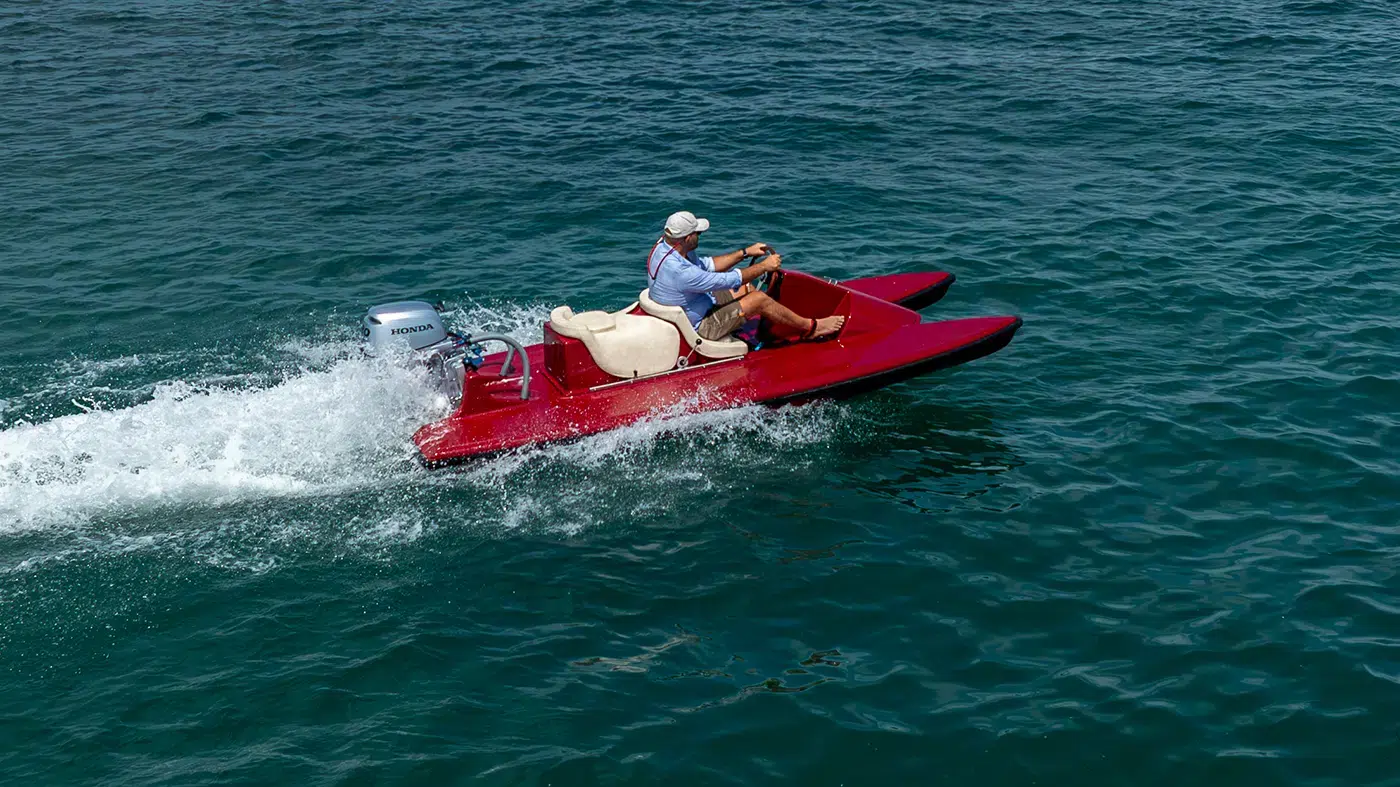
Supernano is a 4-meter-long catamaran weighing 160 kg. For our sea trial, it was powered by a Honda BF20, a twin-cylinder outboard engine known for its reliability. The driving position on the Supernano is car-like, with a centrally placed steering wheel and, on the right, a real accelerator pedal. There’s also a lever that allows you to engage forward gear, neutral, or reverse.
Supernano Video Sea Trial
We start our sea trial of the Supernano by engaging forward gear, pressing the accelerator pedal, and seeing how it performs underway. Having a gas pedal on a boat feels a bit unusual, but it’s actually very convenient—so we push down and let’s see what happens.
Supernano gets on plane almost instantly, between 10 and 11 knots. As we accelerate, the speed climbs consistently and very quickly. At half throttle, we’re doing about 13 knots. Cruising through Venice among the briccole, villas, and bell towers is truly a delight, and this might just be the perfect boat for it. But now it’s time to see what Supernano can do at full throttle, so we press the pedal all the way down: the top speed is 17.8 knots when powered, as in our trial, by a Honda BF20. However, the maximum installable power on this boat is 40 horsepower, which means there’s plenty more performance potential if desired.
Now it’s time to check how Supernano handles a series of turns. From top speed, we swing hard to port. It may be a catamaran, but as you can see in the video, the sensations are surprisingly engaging. We counter-steer, and the turning radius is impressively tight—almost unexpected for a catamaran. We cut across our own wake, but the twin bows slice through the waves with no trouble at all. Crossing our track again, the bows open up the water ahead of us effortlessly. Cruising aboard Supernano is truly comfortable, and we confirm it by weaving through the briccole in a bit of a slalom—it’s an absolute blast!
A stable and original water toy that won’t go unnoticed
Supernano could easily be seen as the missing link between a jet ski and a boat, but with one key difference: this is definitely a boat that won’t go unnoticed. One of its main strengths is stability—being a catamaran, it rests on two hulls that provide above-average steadiness, certainly superior to that of a monohull. This means you can not only cruise around but also swim and climb back on board in complete safety.
In conclusion, if you’re looking for a boat that’s more than just a water toy—something luxurious, elegant, and capable of giving you long, enjoyable days at sea—Supernano is certainly the boat for you.
The post Supernano, sea trial of the pocket-sized water toy that won’t go unnoticed appeared first on Yachting News.
]]>The post Ports and Anchorages: the best and worst of 2025 appeared first on Yachting News.
]]>PORTS AND ANCHORAGES: THE BEST AND WORST OF EVERYTHING WE’VE SEEN IN 2025
As every year, the Daydreamer—the our editorial team’s boat—is sailing in the Tyrrhenian Sea and, between one product test and another, is collecting valuable experiences that not only help update our online ports guide, but also deserve to be shared to help boaters avoid unpleasant situations or guide them towards the places where we had a really good time.
Here is our personal ranking, based on our real experience. A list of ports and anchorages we’d love to return to—and others, unfortunately, we’ll try to avoid in the future. This article will remain open and will be constantly updated until the end of our cruise, which will wrap up in late August when the Daydreamer arrives at Marina Porto Antico, where the first nautical test center will also be launched.
Comments from readers sharing their own experiences in ports—whether good or bad—as well as tips on recommended anchorages, are of course welcome in this article and will contribute to the collective knowledge base of recreational boating.
Sardinia: the best and worst ports and anchorages of 2025
THE BEST PORTS AND ANCHORAGES
Marina di Olbia
At Marina di Olbia we had a truly great experience — it’s a little haven where kindness and helpfulness are never overlooked. A far cry from those arrogant and pretentious facilities that take advantage of their strategic location to make life difficult for boaters. And yet, Marina di Olbia is probably the best-positioned marina in the area, just 5 minutes from the airport and 2 minutes from a well-stocked supermarket.
The dockhands are friendly and experienced, providing skilled assistance with both mooring and unmooring, from the quay as well as with support RIBs. The shuttle service is worth mentioning — not only is it free, but it also takes you to the airport, the supermarket, and, when possible, even to the city center. Rates are in line with others in the area, but if you consider the services included, Marina di Olbia probably offers the best value for money in the region.
VHF Channel 9
40° 55,026′ N – 9° 31,456′ E
Olbia Molo Vecchio and Molo Brin
Molo Vecchio and Molo Brin in Olbia are public docks, free of charge and unfortunately increasingly rare. They’re a great option for boarding or disembarking crew members, or for stocking up at the nearby supermarkets. The depth is almost always adequate, ranging between 2.5 and 4 meters, and as expected, there’s no mooring assistance. You’ll need to brief the crew in advance to ensure you can come alongside without issues.
40° 55,280′ N – 9° 30,429′ E
Sintonia Marina – Porto Pozzo
Porto Pozzo is a long and narrow gulf that stretches inland for over a mile and a half. Sheltered from all winds except those from the north, it’s a very safe place to spend long days when the mistral is blowing. At the end of the gulf lies Sintonia Marina, which I personally consider one of the best moorings in northern Sardinia. The staff is always kind and helpful, especially Maika, who always does her best to find a solution to any problem her guests may have.
The marina features several pontoons equipped with water and electricity, as well as a good number of mooring buoys already fitted with lines. As of this year, the marina also has a convenient fuel station. Onshore, there’s a simply beautiful cocktail bar where, in a series of elegant gazebos with sofas, we enjoyed some delicious aperitivo-style dinners. Near the marina, there’s also a very well-stocked supermarket run by the excellent Antonio, offering top-quality products and a boat delivery service — a real added convenience.
VHF Channel 9
41° 11,986′ N – 9° 16,520′ E

Capo Comino Beach – Isola Ruja
When the mistral blows strong, I like to anchor here. Thanks to the orography of the area, wind strength is reduced by 20 to 40%, and the sandy seabed offers excellent holding, with large areas free of Posidonia. You can drop anchor according to your draft, starting from around 2.5 meters, and with 40 or 50 meters of chain in the water, the holding here is very secure.
This paradise does have one drawback: when the mistral stops or slows down, an annoying swell from the NNE can develop, causing the boat to roll. To get around this, I recommend anchoring in the northwestern corner of the bay, where this phenomenon is greatly reduced.
Completing the picture of this “super anchorage” is a Caribbean-like landscape and light blue water throughout the bay. Isola Ruja itself is truly enchanting. On land, there are bars and restaurants that, when the mistral calms down, offer pleasant evenings.
40° 33,073′ N – 9° 47,727′ E
Golfo Aranci and Baia Caddinas
When looking for ports and anchorages, the vast roadstead of Golfo Aranci is one of the best options in this area. Perfectly sheltered from winds from the second and third quadrants, it offers a sandy seabed with excellent holding. Thanks to the large size of the anchoring area, you can sleep peacefully and relaxed here without worrying about being too close to other boats.
40° 69,696′ N – 9° 36,635′ E
THE WORST PORTS AND ANCHORAGES
Port of Santa Teresa di Gallura
This marina, once amazing, has been progressively declining over time. The first sign is obvious — just try calling and you’ll be left on hold for ages, and quite often the line drops. Even the port’s website, right in the middle of peak season, is still “under construction”, which says a lot.
The services at the Port of Santa Teresa di Gallura are few and poor. This year I also had the hull cleaned and painted at the port’s facility — a rather unpleasant experience and a poorly done job: they forgot to install the sacrificial zinc anode on the propeller, the paint is already peeling in flakes after just one month, and the hull surface has an orange peel texture… A real shame, because I had always had good experiences here in the past.
I’ve been coming to this marina for over 20 years, but sadly, I’m now gradually removing it from my routes.
The price-to-quality ratio at the Port of Santa Teresa di Gallura is therefore one of the worst in the area.
VHF Channel 12
41° 14,440′ N – 9° 11,742′ E
Porto Liccia
One of my favorite bays — but strictly out of season. During the summer, this beautiful spot, which I usually rely on for shelter from the mistral, turns into a playground for inconsiderate people who, ignoring all regulations and lacking any common sense, speed around between anchored boats in tenders and jet skis. Then there are the chartered catamarans, packed with people, blasting music from 10 p.m. until they finally pass out, drunk and exhausted.
41° 6,224′ N – 9° 33,970′ E
This article will be updated as we continue sailing north — stay tuned for the next updates.
The post Ports and Anchorages: the best and worst of 2025 appeared first on Yachting News.
]]>The post Prestige M7 Video Test: an out-of-the-ordinary power catamaran appeared first on Yachting News.
]]>Prestige M7 Sea Trial
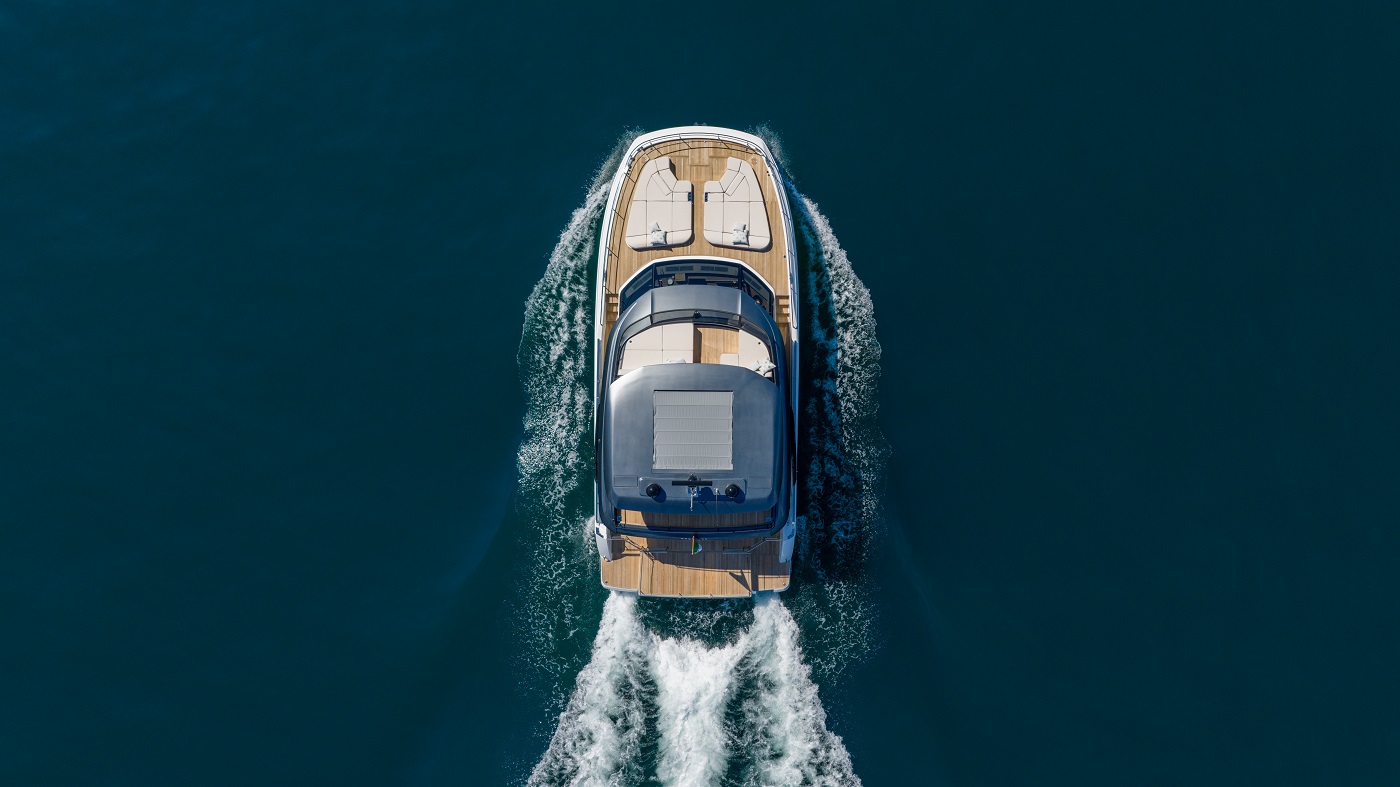
Our video test on board the Prestige M7 begins at idle, cruising at 600 rpm and 4 knots. It’s a perfect day: the sun is shining and the sea is calm, with just a slight residual long swell coming from the southwest. From the flybridge, we can immediately feel that the stability is out of the ordinary. Pushing our Prestige M7 are two Volvo D8 engines delivering 550 horsepower each, for a total of 1100 horsepower—perfectly suited for a boat of this size. We throttle up to 1300 rpm, reaching 8.3 knots while consuming less than 24 liters per hour. At this speed, the boat’s range exceeds 1600 nautical miles, which is truly impressive: with performance like this, you can cover long distances without worrying about refueling.
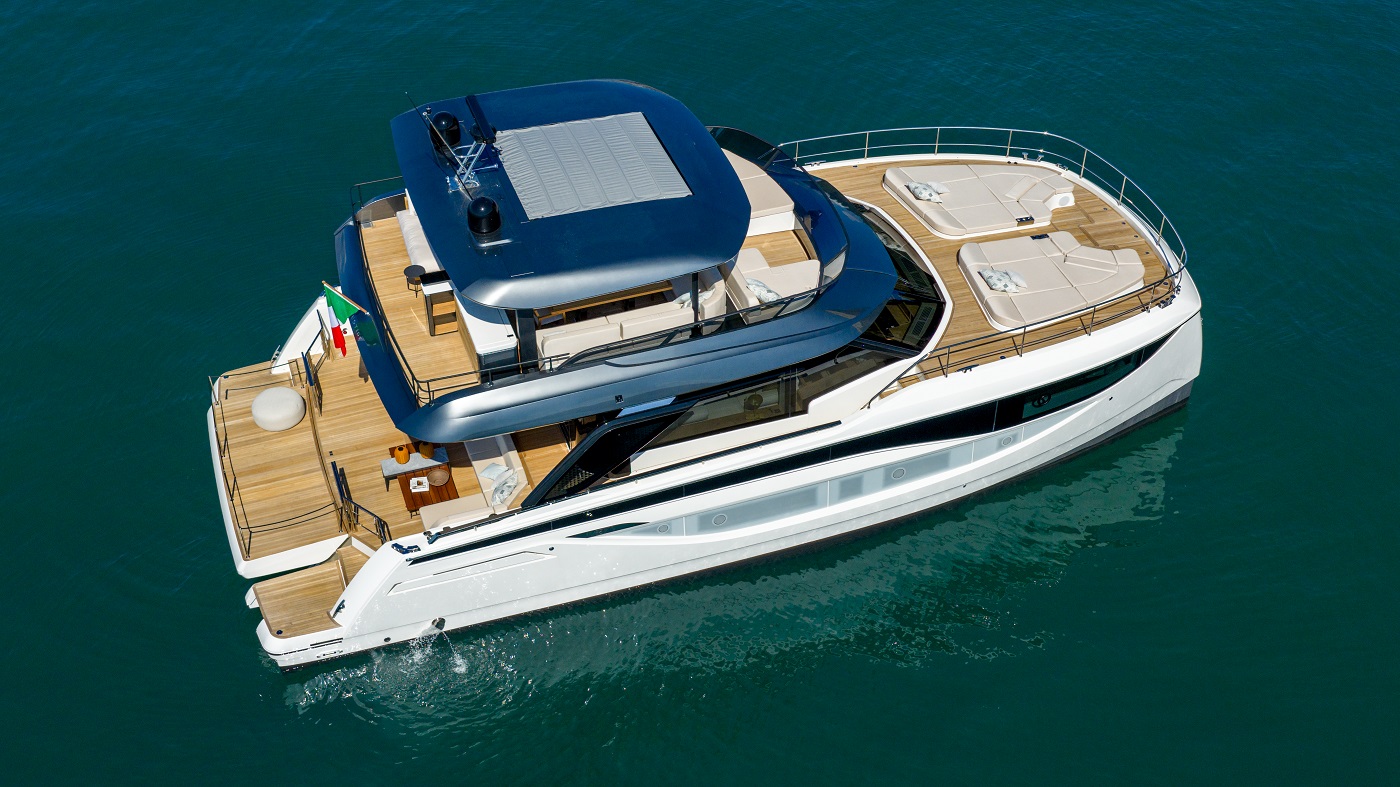
But we want to see how the Prestige M7 performs at higher speeds, so we push up to 10 knots—another typical cruising speed. We’re at 1600 rpm and fuel consumption is around 48 liters per hour, still very low. Ten knots is quite a strategic speed for covering these passages, which are often done overnight. At 2500 rpm and 17 knots, the Prestige M7 reveals another side of its character: it’s a boat capable of fast transfers when needed, or of getting out of bad weather if necessary. Of course, at this speed, fuel consumption rises to 160 liters per hour, but that’s still lower than what you’d expect from other boats of this size. As for top speed, we manage to push the catamaran to an impressive 20.3 knots at 2950 rpm. But the real surprise with the Prestige M7 is how it behaves during turns and counter-turns. The catamaran handles like a superyacht, as you can see in the video: the level of comfort is extremely high, and you don’t feel the impact of the waves at all.
Comfortable and outsized living spaces
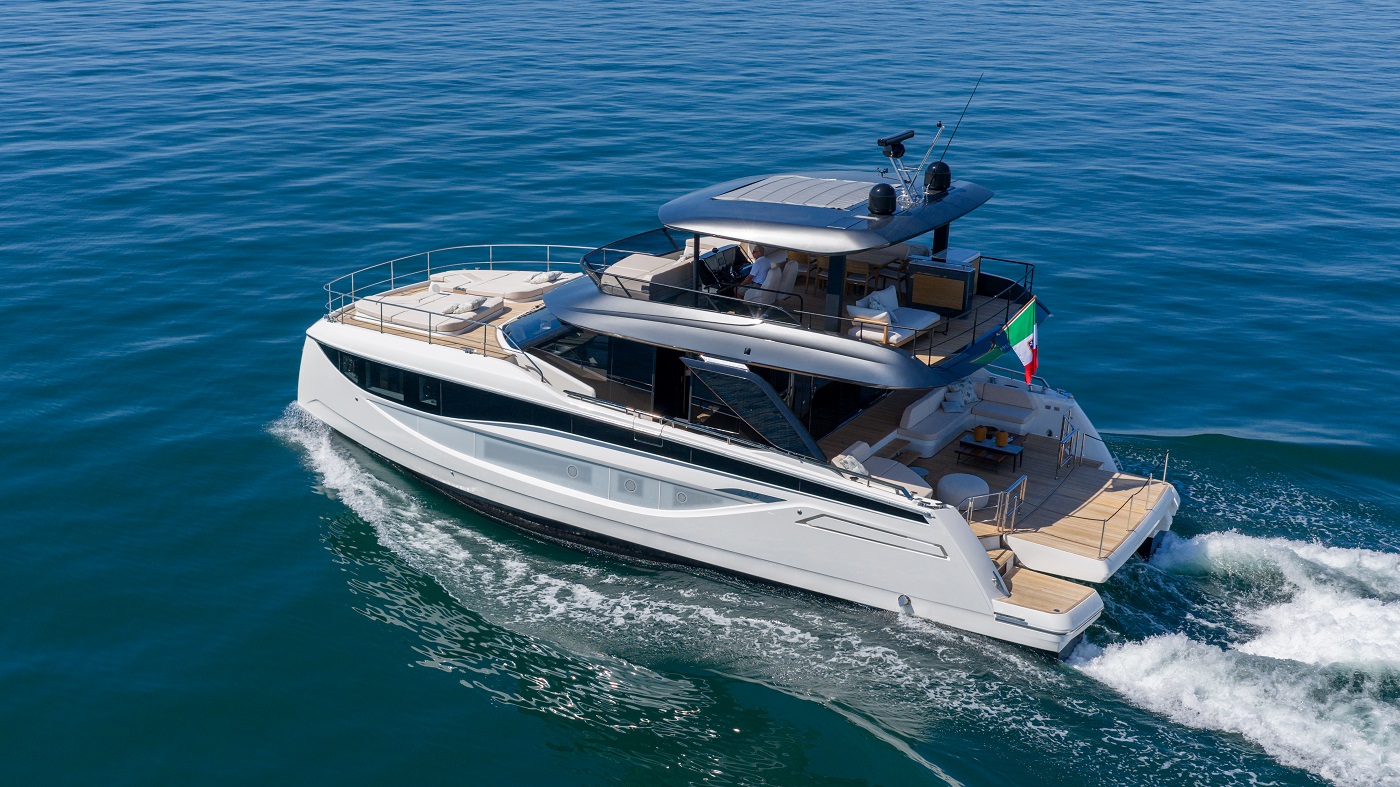
The Prestige M7 features an impressive beam of 7.5 meters, which allows for very spacious and comfortable interiors. The outdoor living area is split into two distinct zones: on the port side, there’s a relaxation area with a large two-person chaise longue that can also be converted into a sunbed, while to starboard there’s a central table surrounded by a large L-shaped sofa that seats 4 to 5 guests. Everything here is designed with style in mind, and the sense of luxury is tangible throughout. At the stern, another key feature of the Prestige M7 is the huge platform, perfect for imagining evening dinners. But more importantly, this area can be lowered to align with the two other decks, or even be submerged below the waterline, making boarding and disembarking much easier. It’s a feature that truly changes life on board.
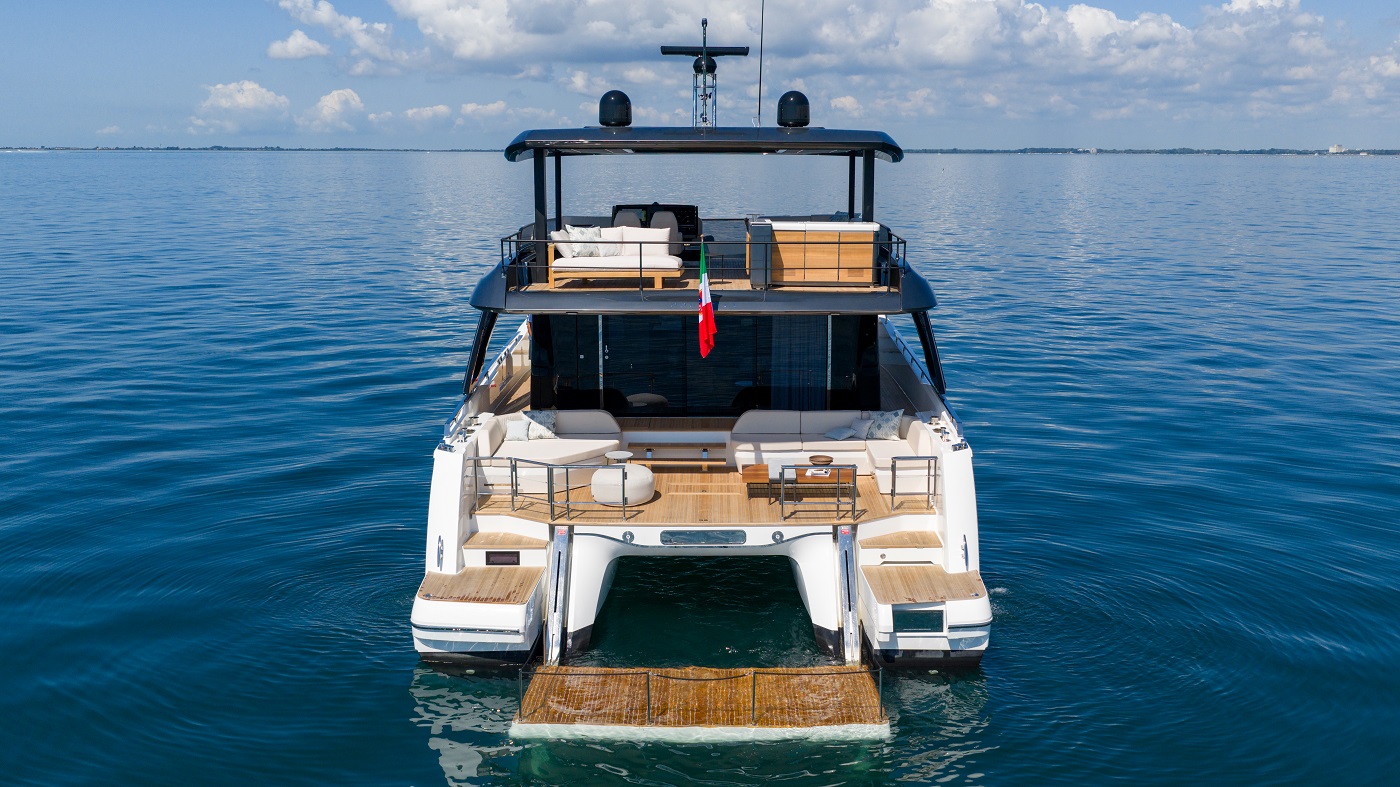
As impressive as the stern is, it’s nothing compared to the grand saloon on the main deck, which genuinely takes our breath away. It houses a large sofa with a table and opposing poufs, along with another armchair. There’s space here for 10 to 12 people, and luxury is front and center.
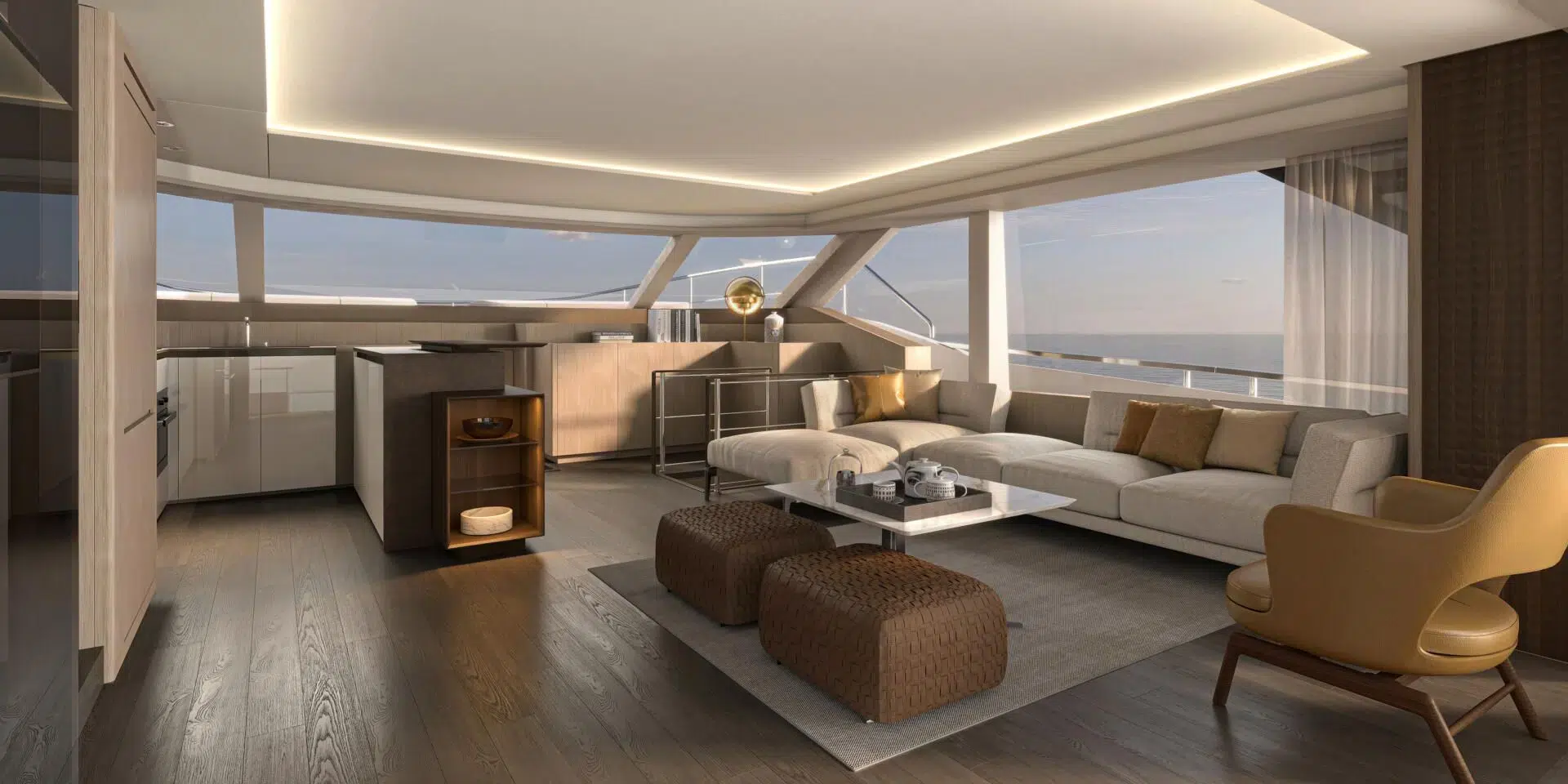
Walking forward, we find a large U-shaped galley, fully equipped with everything you might need at sea: a full-size refrigerator, oven, sink, induction cooktop, and plenty of additional accessories. At the bow, there’s a second helm station cleverly concealed within an elegant side cabinet wrapped in fine leather. It’s designed for navigating in bad weather, offering protection from the elements. But it also plays a key role during docking, thanks to the presence of throttles and a joystick.
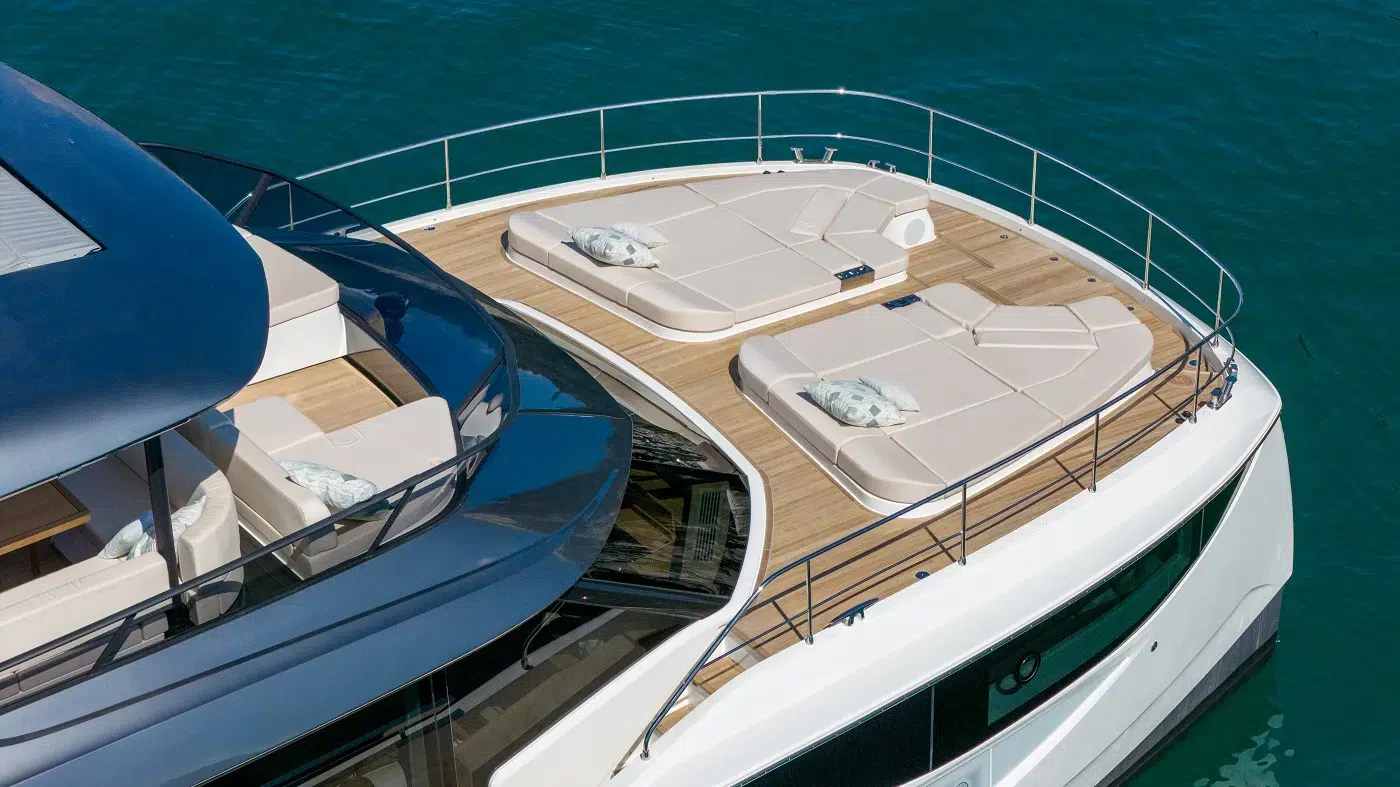
When it comes to conviviality, the flybridge of the Prestige M7 is the ideal setting. In addition to the helm station, there’s a table for eight and a fully equipped bar unit with a grill, sink, and double refrigerator. Toward the bow, there are two more large sofas, and the furniture layout in this area can be customized to suit the owner’s preferences. Everything is sheltered by a comfortable hardtop. As for the sleeping quarters, the master cabin on the Prestige M7 is simply stunning. Every detail—from the finishes to the lighting—reflects a dedication to luxury and design. At the center is a king-size bed flanked by two nightstands, and to the left, there’s a large chaise longue that can be converted into a sofa. The spacious en-suite bathroom features double sinks and a separate shower. Completing this beautiful owner’s suite are two large semi-transparent wardrobes, which are more like walk-in closets in terms of size.
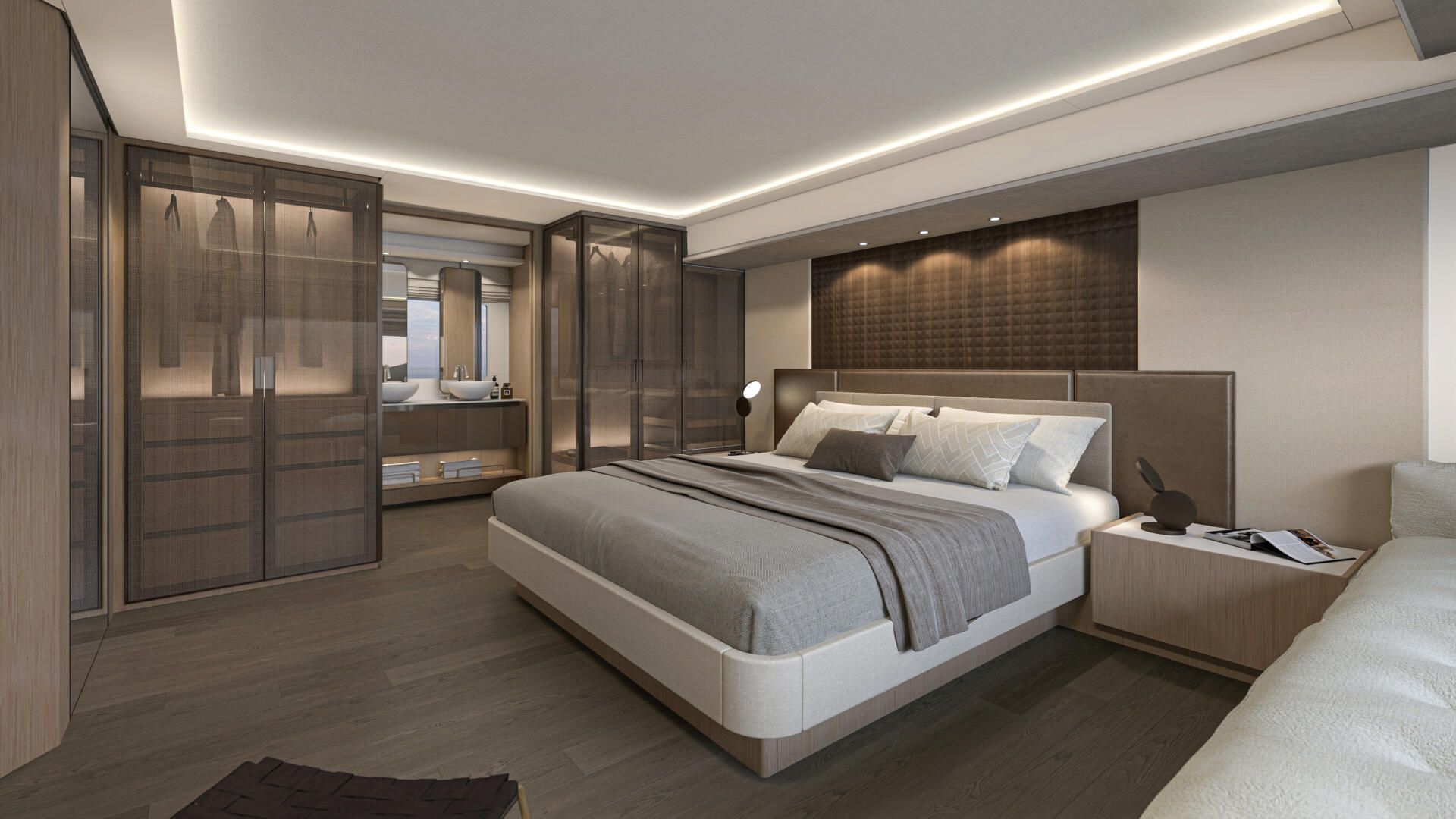
Prestige Yachts didn’t hold back with the VIP cabin either—it’s spacious and well-equipped, featuring a large central bed and a bathroom with a separate shower. The starboard hull of the Prestige M7 houses two more cabins: a second VIP cabin with a private bathroom and a twin cabin that’s generously sized. For a boat of this size, having four cabins of such high quality is truly impressive. In conclusion, the Prestige M7 is a truly out-of-the-ordinary motor catamaran, and we’re confident it will be highly appreciated on the market.
Prestige M7 Technical Specs
| LOA | 17.94 m |
| LH | 17.6 m |
| Max Beam | 7.54 m |
| Standard Draft | 1.55 m |
| Height from the waterline | 5.45 m |
| Light Displacement | 39499 kg |
| Full Load Displacement | 51457 kg |
| Max Speed | 20 kn |
| Cruising Speed | 17 kn |
| Fuel Capacity | 2900 l |
| Water Capacity | 760 l |
| Boiler Capacity | 120 l |
| Black Water Capacity | 340 l |
| Architecture | Garroni Design – Marc Lombard Yacht Design |
Test Data
| RPM | Speed | Consumption in gal/h |
| 600 | 4 | 1.21 |
| 800 | 4.5 | 2.21 |
| 1000 | 7 | 3.01 |
| 1200 | 8 | 4.94 |
| 1400 | 9.2 | 7.34 |
| 1600 | 10.3 | 11.06 |
| 1800 | 10.7 | 17.19 |
| 2000 | 11.4 | 23.51 |
| 2200 | 12.2 | 30.9 |
| 2400 | 14.6 | 37.51 |
| 2600 | 17.3 | 44.64 |
| 2800 | 19.5 | 52.57 |
| 2950 | 20.2 | 58.64 |
The post Prestige M7 Video Test: an out-of-the-ordinary power catamaran appeared first on Yachting News.
]]>